
Travel
It’s time to limit how often we can travel abroad – ‘carbon passports’ may be the answer

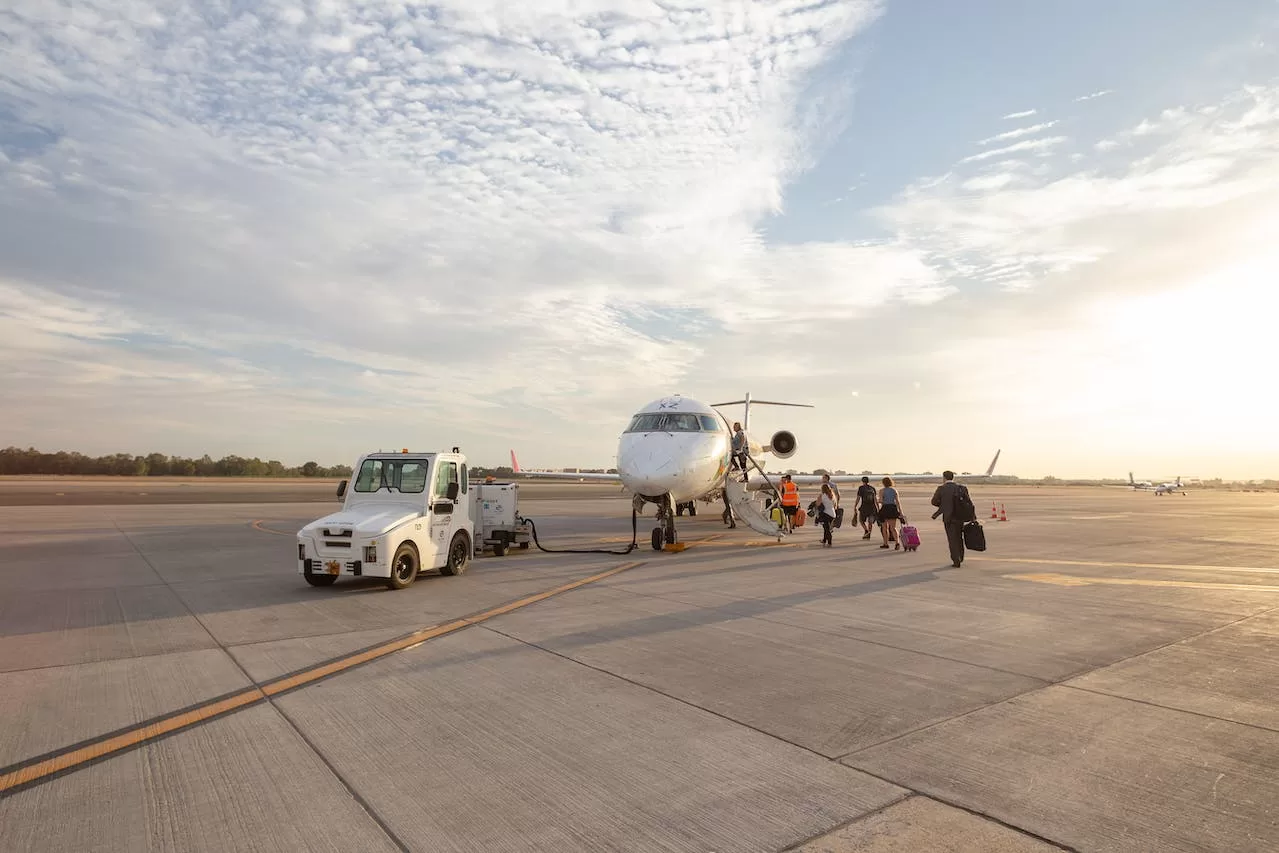
Travel proposed that “carbon passports” will soon become a reality if the tourism industry hopes to survive. (Pexels Photo)
The summer of 2023 has been very significant for the travel industry. By the end of July, international tourist arrivals globally reached 84% of pre-pandemic levels. In some European countries, such as France, Denmark and Ireland, tourism demand even surpassed its pre-pandemic level.
This may be great news economically, but there’s concern that a return to the status quo is already showing dire environmental and social consequences.
The summer saw record-breaking heatwaves across many parts of the world. People
were forced to flee wildfires in Greece and Hawaii, and extreme weather warnings were issued in many popular holiday destinations like Portugal, Spain and Turkey. Experts attributed these extreme conditions to climate change.
Tourism is part of the problem. The tourism sector generates around one-tenth of the greenhouse gas emissions that are driving the climate crisis.
The negative impacts of tourism on the environment have become so severe that some are suggesting drastic changes to our travel habits are inevitable. In a report from 2023 that analysed the future of sustainable travel, tour operator Intrepid Travel proposed that “carbon passports” will soon become a reality if the tourism industry hopes to survive.
What is a carbon passport?
The idea of a carbon passport centres on each traveller being assigned a yearly carbon allowance that they cannot exceed. These allowances can then “ration” travel.
This concept may seem extreme. But the idea of personal carbon allowances is not new. A similar concept (called “personal carbon trading”) was discussed in the House of Commons in 2008, before being shut down due to its perceived complexity and the possibility of public resistance.
The average annual carbon footprint for a person in the US is 16 tonnes – one of the highest rates in the world. In the UK this figure sits at 11.7 tonnes, still more than five times the figure recommended by the Paris Agreement to keep global temperature rise below 1.5°C.
Globally, the average annual carbon footprint of a person is closer to 4 tonnes. But, to have the best chance of preventing temperature rise from overshooting 2°C, the average global carbon footprint needs to drop to under 2 tonnes by 2050. This figure equates to around two return flights between London and New York.
Intrepid Travel’s report predicts that we will see carbon passports in action by 2040. However, several laws and restrictions have been put in place over the past year that suggest our travel habits may already be on the verge of change.
Targeting air travel
Between 2013 and 2018, the amount of CO₂ emitted by commercial aircrafts worldwide increased by 32%. Improvements in fuel efficiency are slowly reducing per passenger emissions. But research from 2014 found that whatever the industry’s efforts to reduce its carbon emissions, they will be outweighed by the growth in air traffic.
For emission reductions to have any meaningful effect, ticket prices would have to rise by 1.4% each year, discouraging some people from flying. However, in reality, ticket prices are falling.
Some European countries are beginning to take measures to reduce air travel. As of April 1 2023, passengers on short-haul flights and older aircraft in Belgium have been subject to increased taxes to encourage alternative forms of travel.
Less than two months later France banned short-haul domestic flights where the same trip can be made by train in two-and-a-half hours or less. Spain is expected to follow suit.
A similar scheme could also be on the horizon for Germany. In 2021, a YouGov poll found that 70% of Germans would support such measures to fight climate change if alternative transport routes like trains or ships were available.
Cruises and carbon
It’s not just air travel that’s being criticised. An investigation by the European Federation for Transport and Environment in 2023 found that cruise ships pump four times as many sulphuric gases (which are proven to cause acid rain and several respiratory conditions) into the atmosphere than all of Europe’s 291 million cars combined.
Statistics like these have forced European destinations to take action against the cruise industry. In July, Amsterdam’s council banned cruise ships from docking in the city centre in a bid to reduce tourism and pollution – an initiative that has shown success elsewhere.
In 2019 Venice was the most polluted European port, due to large numbers of cruise ship visits. But it dropped to 41st place in 2022 after a ban on large cruise ships entering the city’s waters reduced air pollutants from ships in Venice by 80%.
Changing destinations
Intrepid Travel’s report also highlights that not only how we travel, but where we travel will soon be impacted by climate change. Boiling temperatures will probably diminish the allure of traditional beach destinations, prompting European tourists to search for cooler destinations such as Belgium, Slovenia and Poland for their summer holidays.
Several travel agencies reported seeing noticeable increases in holiday bookings to cooler European destinations like Scandinavia, Ireland and the UK during 2023’s peak summer travel months.
Whatever the solution may be, changes to our travel habits look inevitable. Destinations across the globe, from Barcelona to the Italian riveria and even Mount Everest are already calling for limits on tourist numbers as they struggle to cope with crowds and pollution.
Holidaymakers should prepare to change their travel habits now, before this change is forced upon them.
Ross Bennett-Cook, Visiting Lecturer, School of Architecture + Cities, University of Westminster
This article is republished from The Conversation under a Creative Commons license. Read the original article.




















