
Headline
Filipinos eligible for Australia’s 10-year multiple-entry visa for ₱80,700

ASM, Philippine Canadian Inquirer
October 18, 2026
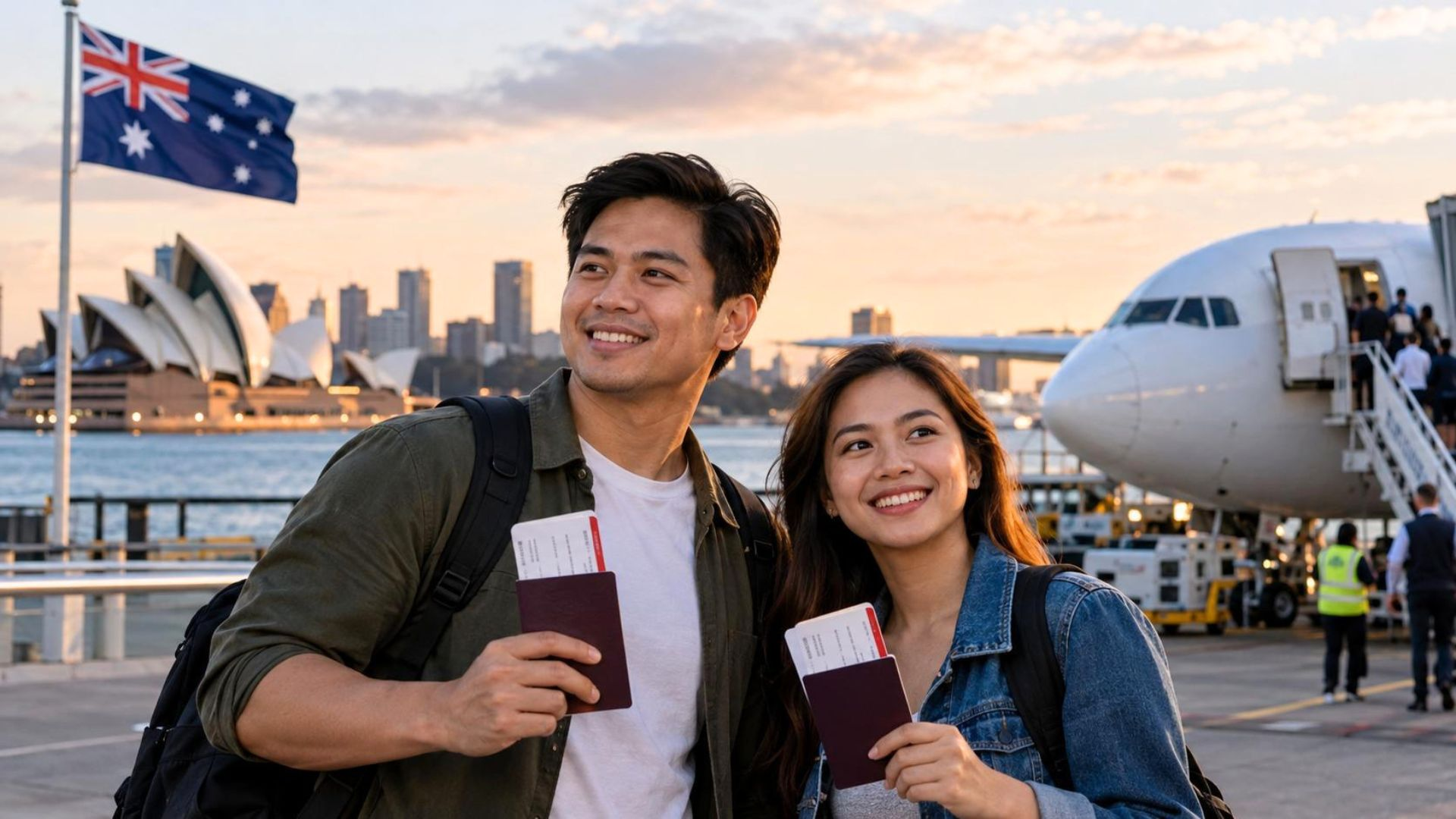
MANILA, Philippines – Filipinos who frequently travel to Australia for tourism, family visits or business activities can apply for a multiple-entry visa valid for up to 10 years, offering a longer-term option for those who regularly visit the country.
Under Australia’s Visitor visa (subclass 600) Frequent Traveller stream, eligible Philippine passport holders may enter Australia multiple times throughout the visa’s validity, with each visit limited to a maximum of three months.
The application fee is AU$1,845, equivalent to approximately ₱80,700, although the peso amount may change depending on exchange rates and payment charges.
Who can apply for the 10-year visa?
According to Australia’s Department of Home Affairs, the Frequent Traveller stream is available to eligible citizens of 11 countries, including the Philippines, China, Brunei, Cambodia, Indonesia, Laos, Malaysia, Singapore, Thailand, Vietnam and Timor-Leste.
The visa is intended for people who regularly visit Australia for holidays, family reunions or permitted business visitor activities, such as attending meetings and conferences.
Applicants must satisfy Australia’s visitor visa requirements, including demonstrating that they intend to stay temporarily, have sufficient funds for their visit and meet applicable health and character requirements.
Being a Philippine passport holder does not automatically guarantee approval or a 10-year validity period. Australian immigration officials assess applications individually.
What the visa allows – and its limitations
Although the visa can remain valid for a decade, it does not permit holders to stay in Australia continuously for 10 years.
Each visit is restricted to three months, meaning travelers must comply with their authorized stay period even when their visa remains valid for future trips.
The visa also does not authorize employment in Australia. Business visitor activities are permitted, but travelers seeking to work or establish long-term residency must obtain an appropriate visa.
This distinction is particularly important for Filipinos considering the visa as an alternative to work or migration pathways. The Frequent Traveller stream is designed for temporary visits rather than employment or permanent settlement.
How to apply
Applications can be submitted through the Australian Department of Home Affairs’ official online immigration platform, ImmiAccount.
Prospective travelers should prepare a valid passport, supporting documents explaining their purpose of travel, evidence of financial capacity and other information required for immigration assessment.
Applicants may also be asked to provide biometric information at an Australian Biometric Collection Centre.
The AU$1,845 application charge does not necessarily cover additional expenses, including medical examinations, biometric services and other application-related costs.
The Department of Home Affairs currently does not publish a specific processing-time estimate for the Frequent Traveller stream.
Is the 10-year visa worth the higher fee?
The Frequent Traveller visa costs considerably more than Australia’s standard Visitor visa Tourist stream, which starts at AU$250 for applicants outside Australia.
However, the longer validity may appeal to Filipinos who expect to visit Australia regularly, particularly those with family connections, recurring business engagements or frequent travel plans.
For occasional tourists, the standard visitor visa may remain a more practical and affordable option.
The key difference is convenience: a visa granted for up to 10 years could reduce the need to submit repeated visa applications for future trips, provided its holder continues to meet entry and visa conditions.
Travelers should also understand that the maximum validity is not guaranteed, and visa approval does not automatically guarantee admission at the Australian border.
Eligible Filipinos can review the complete requirements and application procedures through the Australian Department of Home Affairs’ official website.






















