
Canada News
How Canadian companies can use tech to identify forced labour in their supply chains

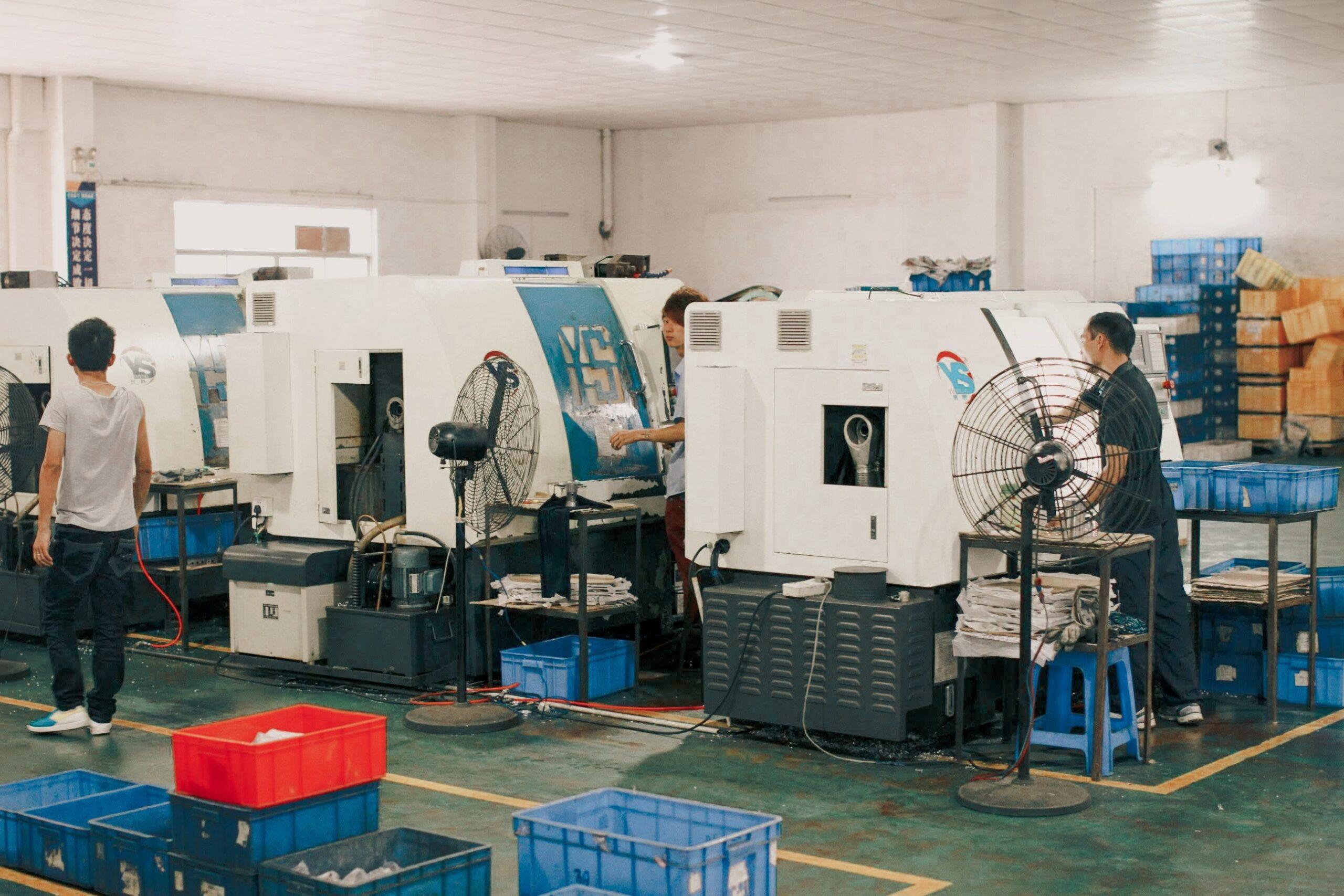
Canadian companies will soon be legally obligated to annually report on efforts to prevent and remediate forced and child labour in their supply chains. Technology could help them do this. (Pexels Photo)
Levi Strauss Canada is yet another company facing allegations of forced labour in its supply chain. The allegations, which Levi Strauss denies, centre on whether the company is working with suppliers using Uyghur forced labour. With over 27 million people worldwide in forced labour, we can expect to witness similar allegations elsewhere in the coming years.
While Canada enjoys strong protections against labour exploitation, the issue of involuntary work may hit closer to home than expected. The reality is that forced labour could have been used to produce many of our everyday items, including clothing, electronics and vehicles.
Canada has taken a significant step in addressing this problem through the Fighting Against Forced Labour and Child Labour in Supply Chains Act. As of Jan. 1, 2024, companies with significant operations in Canada will be legally obligated to pay closer attention to the working conditions in their supply chains.
This act brings Canada’s efforts to address forced labour in alignment with other regions such as the United States, the United Kingdom and Australia.
Under this act, any entity with significant operations in Canada will be obligated to annually report on its efforts to prevent and remediate forced and child labour in its supply chains.
This includes disclosing information about relevant policies, due diligence processes, supply chain hotspots, employee training and remediation measures. The act also includes provisions for corrective measures and punishment.
Identifying forced labour with technology
The complex nature of supply chains makes identifying when and where forced or child labour occurs a significant challenge. Supply chains can contain thousands of suppliers that span continents. Even major international companies like Levi Strauss, which has a strong supplier code of conduct, can end up facing allegations of violations in their supply chains.
To explore how forced and child labour can be identified in supply chains, we conducted over 30 interviews with experts from around the world. These experts included representatives from non-governmental organizations, companies and auditing bodies, providing insight into how emerging technologies can be used to support identifying such practices.
The difficulty of identifying far-flung suppliers, for instance, could be simplified by using DNA to identify a product’s origin, as is done with cotton, seafood and chocolate.
Drones and satellite imaging can be used to identify potential forced labour hotspots, such as remote brick kilns, mines or areas of illegal deforestation. AI can also predict areas at high risk of forced and child labor and direct attention to these regions.
Additionally, emerging technologies can help identify some forms of deception. Blockchain technology, for example, can provide an unalterable ledger of transactions in real time, preventing later manipulation. Artificial intelligence can quickly process immense quantities of data, which aids in detecting unusual patterns indicating potential fraud.
Addressing the risk of deceptive practices
In some cases, there are incentives for businesses to conceal illegal and immoral practices. Transparentem, a non-profit group focused on eradicating labour abuse, found evidence of deception during supply chain audits in garment factories in India, Malaysia and Myanmar. These deceptive practices include falsifying documents, coaching workers to lie and hiding workers who appeared to be unlawfully employed.
Based on in-depth interviews with auditors, suppliers, brand representatives and workers in the apparel industry, Human Rights Watch has found these risks are elevated when companies have advance notice of an upcoming audit.
Integrating sensors, cameras and other cloud technology can enable real-time monitoring of working conditions, mitigating the risks of advance notice of audits. Sensors and cameras, for example, have been used on fishing vessels to remotely transmit data in near real-time.
Worker voice platforms, such as those used in the electronics industry, allow workers to provide feedback directly through smartphone apps. This can serve as a real-time whistleblower mechanism for workers trapped in forced labour.
Technology is only part of the solution
Despite its potential benefits, technology still has weaknesses, like high costs, susceptibility to manipulation and weak data security, that need to be addressed. Blockchain technology, for instance, can codify manipulated or incorrect data unless the necessary precautions are taken.
Meeting the requirements of the Fighting Against Forced Labour and Child Labour in Supply Chains Act will require grounding technology in a broader risk-based approach consisting of supplier screening, monitoring and auditing.
In addition, even when technology does indicate the presence of forced or child labour, on-the-ground verification and follow-up is often required. Identification is just the first step. The act requires reporting on remediation, which is typically based on long-term collaborative relationships with local parties.
Addressing the issue of forced and child labour in supply chains is difficult and complex. While technology can help companies fulfil their reporting obligations under the act, identifying and remediating these crucial issues will require ongoing and concerted efforts.
The first report is due on May 31, 2024, so companies have no time to spare in working to comply with the act.
Cory Searcy, Professor, Mechanical and Industrial Engineering, & Vice-Provost and Dean of Graduate Studies, Toronto Metropolitan University; Grant Michelson, Professor of Management, Macquarie Business School, Macquarie University, and Pavel Castka, Professor in Operations Management and Sustainability; Associate Dean Research at UC Business School, University of Canterbury
This article is republished from The Conversation under a Creative Commons license. Read the original article.




















