
Art and Culture
Sydney Opera House at 50: a public appeal, a controversial build, a lavish opening – and a venue for all

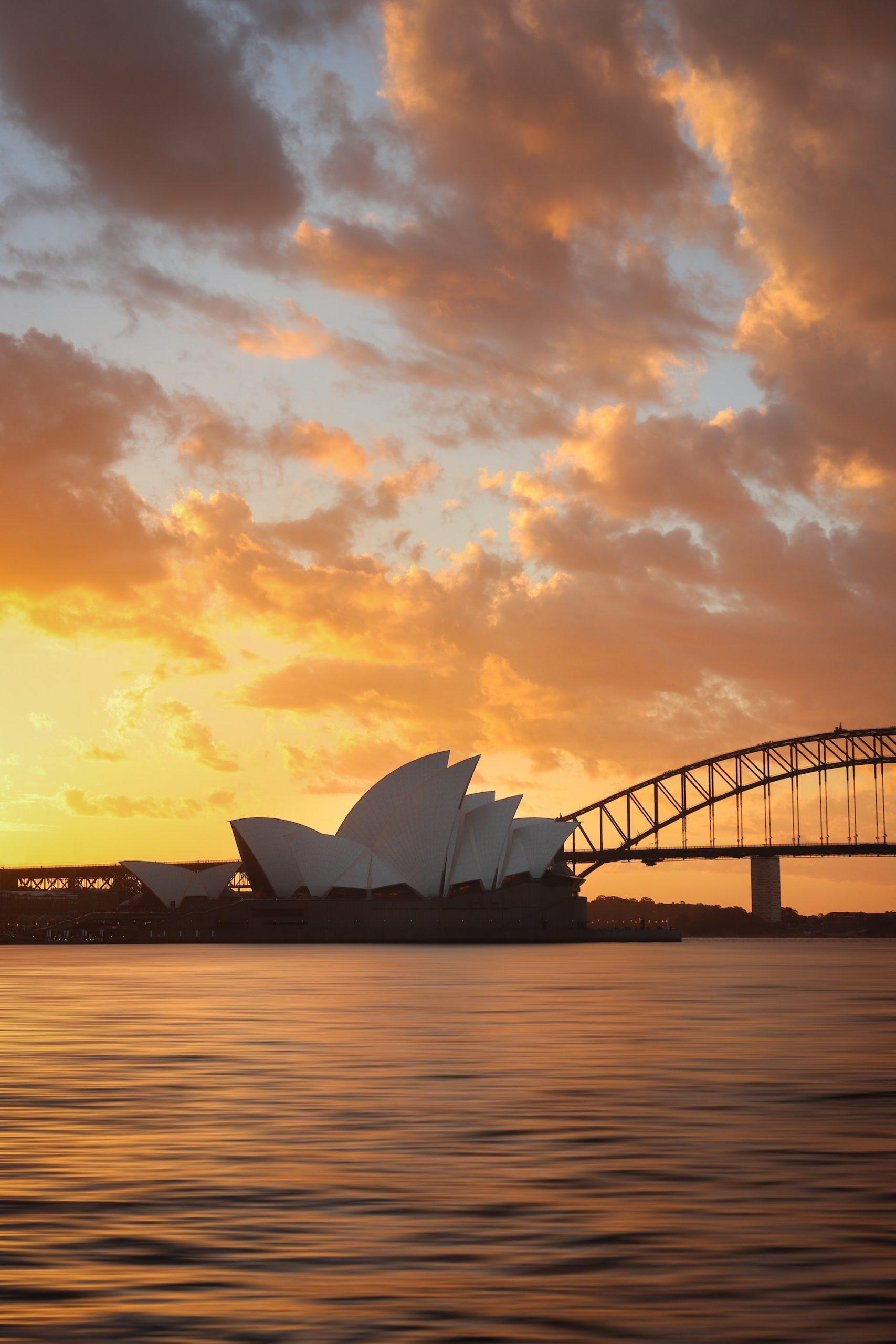
Fifty years ago today, after a prolonged and controversial period of construction, the Sydney Opera House was officially opened by Queen Elizabeth II in a lavish ceremony. (File Photo: Nick Jones/Unsplash)
It is one of the most famous buildings in the world. It has an instantly recognisable silhouette that adorns tea towels, bottle openers and souvenir sweatshirts.
Miniature versions huddle in snow domes. You can build your own from Lego. Bidjigal artist and elder Esme Timbery constructed a replica in her trademark shell art. Ken Done put it on doona covers and bikinis. If you search the hashtag on Instagram, you will see over a million posts.
Fifty years ago today, after a prolonged and controversial period of construction, the Sydney Opera House was officially opened by Queen Elizabeth II in a lavish ceremony.
Spectators carrying flasks of coffee and cushions watched from the sidelines. More than 2,000 small boats viewed the ceremony from the water.
After the national anthem was played and nine F111 aircraft roared overhead, the crowd heard a didgeridoo and Aboriginal actor Ben Blakeney delivered a prologue “representing the spirit of Bennelong”.
In her speech, the Queen remarked the Opera House had “captured the imagination of the world”.
The opening festivities gestured both to Australia’s deep Indigenous roots and white imperial origins. The building itself symbolised a new era of state investment in cultural infrastructure. This was a hallmark of the “new nationalism” in the 1970s: the arts were regarded as essential to Australia’s newly confident sense of national identity.
Today, the Sydney Opera House reminds us Australia can value culture for its own sake. But what did the Opera House mean to Australians when it opened 50 years ago?
Building the Opera House
The campaign for an Opera House in Sydney was initiated by Sir Eugene Goosens, who came to Australia as conductor of the Sydney Symphony Orchestra in 1947. He found a sympathetic ear in Joe Cahill, the Labor premier who committed Bennelong Point to the project and launched an international competition to design the building in 1955.
This part of the story is well-known (indeed, there was even an opera). Danish architect Jørn Utzon’s bold, avant garde design won the competition and construction began in 1961, funded – in a democratic touch – by the NSW government’s Opera House lottery.
Construction was plagued by difficulties and expanding costs. Utzon famously resigned from the project in 1966; Australian architect Peter Hall oversaw the construction of the interior.
In spite of the jokes and doubts, by the time the building was finished, Australians had embraced the Opera House as their own.
The Queen tactfully acknowledged the building’s construction delays in her speech at the opening ceremony, suggesting “every great imaginative venture has had to be tempered by the fire of controversy”.
Cringe and strut
As historians Richard White and Sylvia Lawson note, while the Opera House was intended for all performing arts, the centrality of opera – with its expense and small audiences – made a symbolic statement a “new, more sophisticated Australia” had arrived.
As Australia sought to find an identity independent of Britain, the Opera House became a symbol of this new nationalist turn.
Some fitted the Opera House into older narratives of Britishness: in his book Sydney Builds an Opera House, Oswald Zeigler remarked we needed to thank Captain Arthur Phillip “for finding the site for this symbol of the Australian cultural revolution”.
Gough Whitlam declared it was
a magnificent building, Our civilisations are known by their buildings and future generations will honour the people of this generation […] by this building.
In spite of this, there was still cultural cringe. The Canberra Times reported the British media believed the Opera House was a sign that “the country had turned a corner artistically”. It was a telling sign of cultural cringe that their opinions were sought at all.
The Opera House was part of an Australian cultural renaissance in 1973. The ABC broadcast an adaptation of Ethel Turner’s beloved Seven Little Australians. The bawdy Alvin Purple was a box-office smash. Patrick White became the first (and so far, only) Australian to win the Nobel Prize for Literature. The new wave of Australian drama was in full swing, and the Opera House’s opening season included a play by new wave star David Williamson alongside Shakespeare’s Richard II.
Historians have nominated many emblems for the new nationalist mood (from the new national anthem to The Adventures of Barry McKenzie) but I would suggest the Opera House embodies it best: the soaring sails, the bold, rich colours of the interiors, and John Coburn’s glorious, confident curtains for the performance venues.
For the elite or for the people?
There were always objections on the grounds that government investment would be better focused elsewhere, rather than on a performance venue for “elites”. These arguments are wearyingly familiar today.
Premier Joe Cahill rejected this charge from the outset: in 1959 he declared
the average working family will be able to afford to go there […] the Opera House will, in fact, be a monument to democratic nationhood in its fullest sense.
Cahill’s insistence this was a building for everyone to enjoy and be proud of has been fulfilled by its creative use ever since. School children regularly perform; new audiences have been drawn by musicians of all genres, from punk to Prince. But the Opera House has also been a place for creative experimentation and innovative performance – as it should be.
Today, 50 years from its opening, the Sydney Opera House reminds us the state still has a role to play in supporting the performing and creative arts in Australia. This radiant, soaring building belongs to all of us: a great reason to celebrate its birthday.
Michelle Arrow, Professor of History, Macquarie University
This article is republished from The Conversation under a Creative Commons license. Read the original article.




















