
Environment & Nature
Collectively, we spend only 45 minutes daily on the activities that produce the most pollution

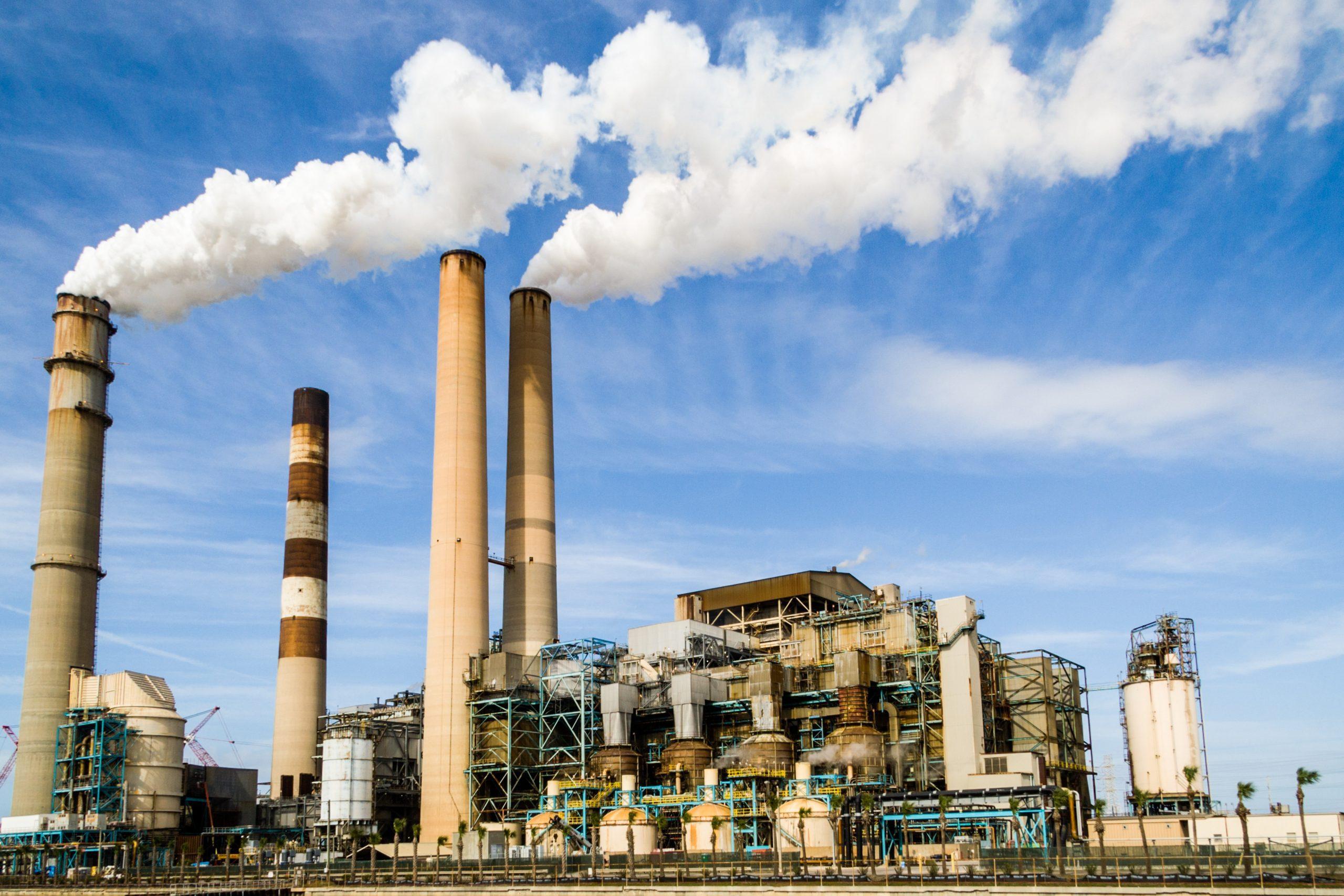
By studying how much time is globally devoted to certain activities, a picture emerges of how we collectively use time. (Pexels Photo)
Why do we feel stuck in our efforts to solve the great sustainability crises of the 21st century? Between the dire need to successfully mitigate climate change while making progress on human-focused Sustainable Development Goals, the challenges of the Anthropocene — the era in which we now live — can appear insurmountable.
Yet, despite the central role of human actions in creating sustainability solutions, there has been no high-level, comprehensive depiction of what the global human population is doing in precise, numerical terms.
We provide such a view by mapping out the global human use of time, assembling many data sources to provide interdisciplinary perspectives on fundamental aspects of human behaviour and experience.
Our results suggest that solutions to the sustainability crises are eminently achievable, in physical terms, if people are given the appropriate political and economic motivations.
The study of people’s time
As researchers with backgrounds in Earth system science, our work strives to bring the study of humans in line with the approaches used to study the rest of the Earth system. One way we are doing this is by quantifying the full breadth of human activities in units of time, according to their physical outcomes.
Time is a robust measure because it is a universal and physical quantity: around the world, all eight billion people have the same 24 hours a day to devote to a range of activities.
The activities that we choose to engage in, how much time is spent on each, and the technology involved are continually shaping our planet, societies and subjective experience of life.
Big-picture understanding
Much like how, at a glance, the global carbon cycle provides a big-picture understanding of how and where carbon moves around the Earth, we set out to create a bird’s-eye view of what humanity is doing at the dawn of the Anthropocene.
By combining and standardizing a diverse array of data on how people spend their time — compiled from national time-use surveys, economic statistics, childhood education metrics, wearable sleep-measuring devices — we depict what humanity as a whole is doing on an average 24-hour period: the Global Human Day.
The most immediate observation is that globally, a vast majority of time is dedicated to activities that we classify as directly human-focused.
In addition to nine hours of sleep and 1.5 hours of biological and health-care needs, the average person on Earth spends close to seven hours per day on passively relaxing, socializing, using media, eating meals, exercising, playing games and religious practice. Meanwhile, education and research fits into a tidy one hour.
We also identify a group of activities dedicated to running and managing our societies and economies. The tasks of governance, law, finance, trade, banking and paying bills occupy one hour. Another daily hour is spent commuting and moving place to place.
Less than four hours a day
Altogether, slightly more than three hours remain in which we deliberately alter the Earth and our environments. Nearly three-quarters of this time is directed to our food system and tidying inhabited areas.
The remaining time — the final 45 minutes, approximately, of the average human’s day — is where all resource extraction, manufacturing and construction occur, comprising the most ecologically destructive facets of industrialized civilization. In fact, the extraction of all materials and all energy provisioning, including the extraction and refining of all fossil fuels, occupies only six minutes.
Along with just over half an hour put into construction and manufacturing, these 45 minutes for sourcing, expanding and maintaining the built environment is an astoundingly low figure for activities that are responsible for producing and consuming an estimated 70 gigatonnes of material per year. It highlights the efficiency of modern industry and the potency of its impacts.
In comparison, only one minute is spent on managing waste.
Using our time
Our results do not suggest that material extraction and energy provision are insignificant activities. They still represent billions of labour hours per year and support the functioning of our modern civilization.
But the time involved is relatively small when viewed as part of the whole of daily human existence – on par with the time we collectively spend cleaning our homes and doing dishes.
In this context, it is feasible to imagine shifting the composition of these activities to a large relative extent (to, say, building renewable energy systems rather than continuing to extract fossil fuels) without disrupting the overall patterns of human life.
Naturally, this will require major economic and political incentives, but there is clearly the time available to do so.
William Fajzel, PhD student, Earth and Planetary Science, McGill University and Eric Galbraith, Professor of Earth Science and Canada Research Chair in Human-Earth System Dynamics, McGill University
This article is republished from The Conversation under a Creative Commons license. Read the original article.




















