
Education
Sci-fi books are rare in school even though they help kids better understand science

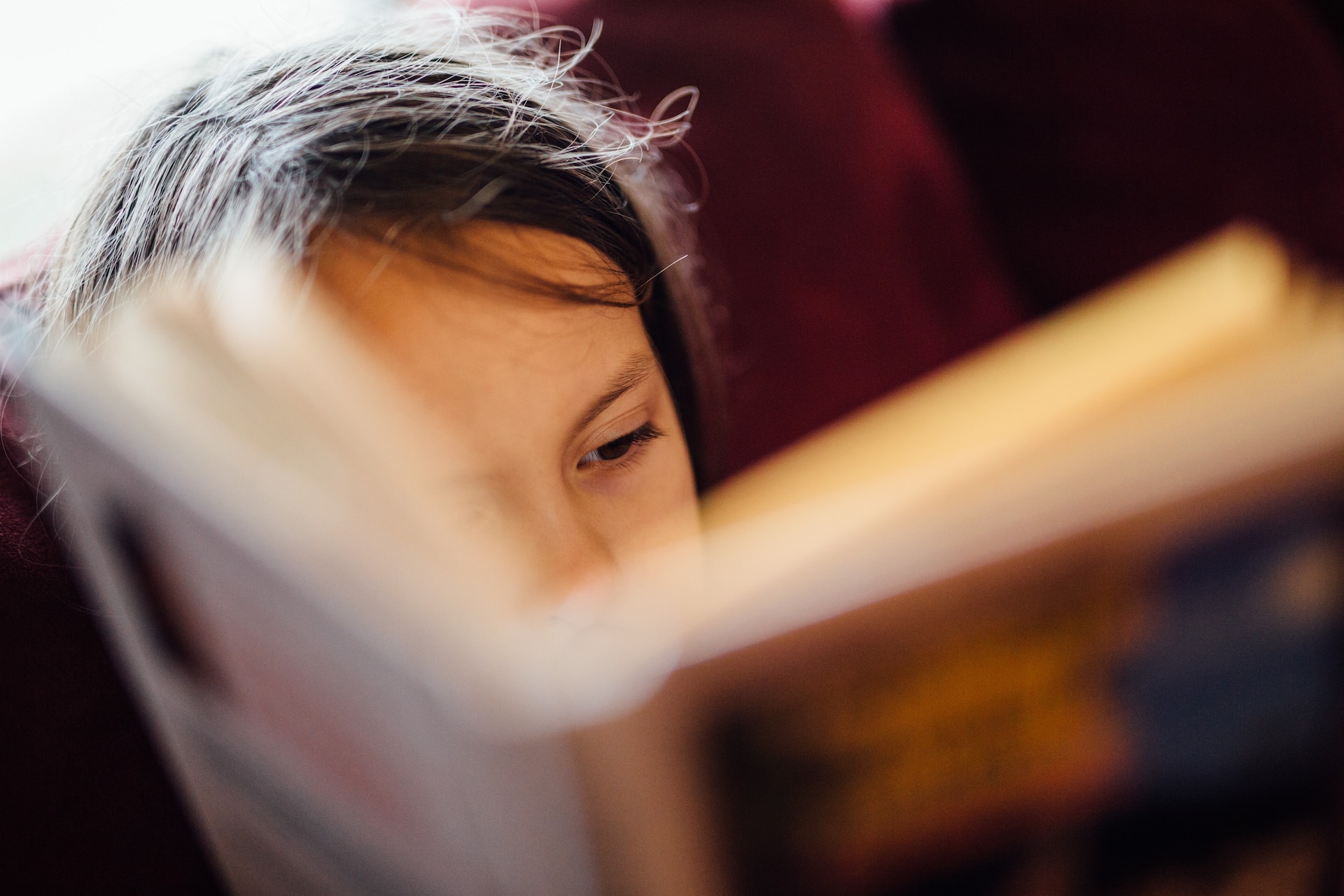
Several respondents said that there simply are not as many science fiction books available for elementary school students. (File photo: Johnny McClung/Unsplash)
Science fiction can lead people to be more cautious about the potential consequences of innovations. It can help people think critically about the ethics of science. Researchers have also found that sci-fi serves as a positive influence on how people view science. Science fiction scholar Istvan Csicsery-Ronay calls this “science-fictional habits of mind.”
Scientists and engineers have reported that their childhood encounters with science fiction framed their thinking about the sciences. Thinking critically about science and technology is an important part of education in STEM – or science, technology, engineering and mathematics.
Complicated content?
Despite the potential benefits of an early introduction to science fiction, my own research on science fiction for readers under age 12 has revealed that librarians and teachers in elementary schools treat science fiction as a genre that works best for certain cases, like reluctant readers or kids who like what they called “weird,” “freaky” or “funky” books.
Of the 59 elementary teachers and librarians whom I surveyed, almost a quarter of them identified themselves as science fiction fans, and nearly all of them expressed that science fiction is just as valuable as any other genre. Nevertheless, most of them indicated that while they recommend science fiction books to individual readers, they do not choose science fiction for activities or group readings.
The teachers and librarians explained that they saw two related problems with science fiction for their youngest readers: low availability and complicated content.
Why sci-fi books are scarce in schools
Several respondents said that there simply are not as many science fiction books available for elementary school students. To investigate further, I counted the number of science fiction books available in 10 randomly selected elementary school libraries from across the United States. Only 3% of the books in each library were science fiction. The rest of the books were: 49% nonfiction, 25% fantasy, 19% realistic fiction and 5% historical fiction. While historical fiction also seems to be in low supply, science fiction stands out as the smallest group.
When I spoke to a small publisher and several authors, they confirmed that science fiction for young readers is not considered a profitable genre, and so those books are rarely acquired. Due to the perception that many young readers do not like science fiction, it is not written, published and distributed as often.
With fewer books to choose from, the teachers and librarians said that they have difficulty finding options that are not too long and complicated for group readings. One explained: “I have to appeal to broad ability levels in chapter book read-aloud selections. These books typically have to be shorter, with more simple plots.” Another respondent explained that they believe “the kind of suppositions sci-fi is based on to be difficult for younger children to grasp. We do read some sci-fi in our middle grade book club.”
A question of maturity
Waiting for students to get older before introducing them to science fiction is a fairly common approach. Susan Fichtelberg – a longtime librarian – wrote a guide to teen fantasy and science fiction. In it, she recommends age 12 as the prime time to start. Other children’s literature experts have speculated whether children under 12 have sufficient knowledge to comprehend science fiction.
Reading researchers agree that comprehending complex texts is easier when the reader has more background knowledge. Yet, when I read some science fiction picture books with elementary school students, none of the children struggled to understand the stories. The most active child in my study often used his knowledge of “Star Wars” to interpret the books. While background knowledge can mean children’s knowledge of science, it also includes exposure to a genre. The more a reader is exposed to science fiction stories, the better they understand how to read them.
A matter of choice
Science fiction does not need to include detailed science or outlandish premises to offer valuable ideas. Simple picture books like “Farm Fresh Cats” by Scott Santoro rely on familiar ideas like farms and cats to help readers reconsider what is familiar and what is alien. “The Barnabus Project” by the Fan Brothers is both a simple escape adventure story and a story about the ethics of genetic experimentation on animals.
The good news is that elementary school students are choosing science fiction regardless of what adults might think they can or cannot understand. I found that the science fiction books in those 10 elementary school libraries were checked out at a higher rate per book than all of the other genres. Science fiction had 1-2 more checkouts per book, on average, than the other genres.
Using the lending data from these libraries, I built a statistical model that predicted that it is 58% more likely for one of the science fiction books to be checked out in these libraries than one of the fantasy books. The model predicted that a science fiction book is over twice as likely to be checked out than books in any of the other genres. In other words, since the children did not have nearly as many science fiction books to choose from, their readership was heavily concentrated on a few titles.
Children may discover science fiction on their own, but adults can do more to normalize the genre and provide opportunities for whole classes to become familiar with it. Encouraging children to explore science fiction may not guarantee science careers, but children deserve to learn from science fiction to help them navigate their increasingly high-tech world.
Emily Midkiff, Assistant Professor of Teaching, Leadership, and Professional Practice, University of North Dakota
This article is republished from The Conversation under a Creative Commons license. Read the original article.




















