
Lifestyle
Why eco-labelling is so difficult during the COVID-19 pandemic

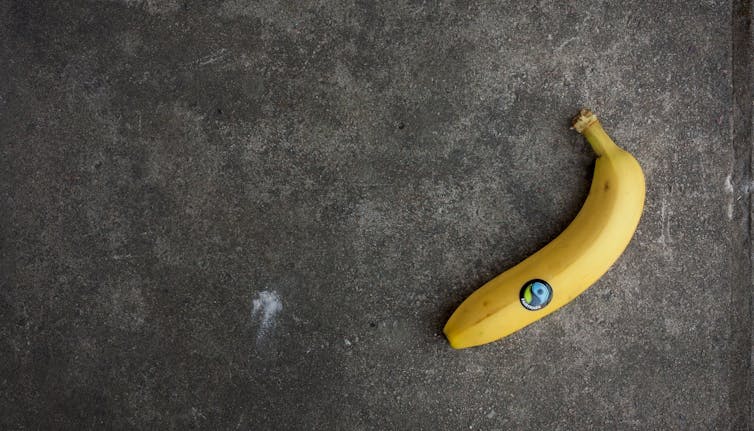
(Pixabay)
We’ve all, at some point, bought an eco-labelled product.
The eco-labels we come to trust are often ones backed by credible audits that involve in-person inspections of production facilities to check that environmental and ethical claims are real.
The COVID-19 pandemic and efforts to contain it have meant that audits have had to change. But changes made to audits that aim to retain credibility — such as making them virtual — have consequences for fairness. Businesses in lower income countries already struggle to access the benefits of eco-labels. Virtual audits stand to make the situation worse.
Our work highlights this challenge. We reviewed the policy changes of 98 programs that use eco-labels for clothing, food, electronics, wood, paper and other products. Our review took place from April to October 2020.
In normal times, eco-labelling programs would often include an initial audit to see if a business performed well enough to be certified. These would be followed by annual surveillance audits and recertification audits, often after five years.
To account for the pandemic, programs offered a combination of extensions, postponements and virtual audits.
Limited policy changes
Several patterns stood out. First, only 52 per cent of the programs we reviewed posted a policy change on their website.
There may be simple explanations for this. A program might, for instance, have communicated their changes directly to clients without updating their website. Still, the lack of public information raises questions about the credibility of these labels compared to the programs that have publicized their policy changes.
This is important since consumers do want to know that the eco-labelled products that they buy remain credible.
Programs that are members of the ISEAL Alliance, a U.K.-based membership organization that promotes improvements in the practices of eco-labelling programs, were also more likely to publicize their changes.
But the pursuit of credibility raises fairness concerns. The pandemic has highlighted inequalities in our societies, supply chains and markets. Some countries and businesses have been harder hit by the pandemic. And changes to audit policies can make it even harder for businesses in lower income countries.
One fairness issue involves requirements for risk assessments. The programs we reviewed often required that auditors use a risk assessment to determine whether virtual audits could be an option for a business. And sometimes lower income countries were flagged as higher risk.
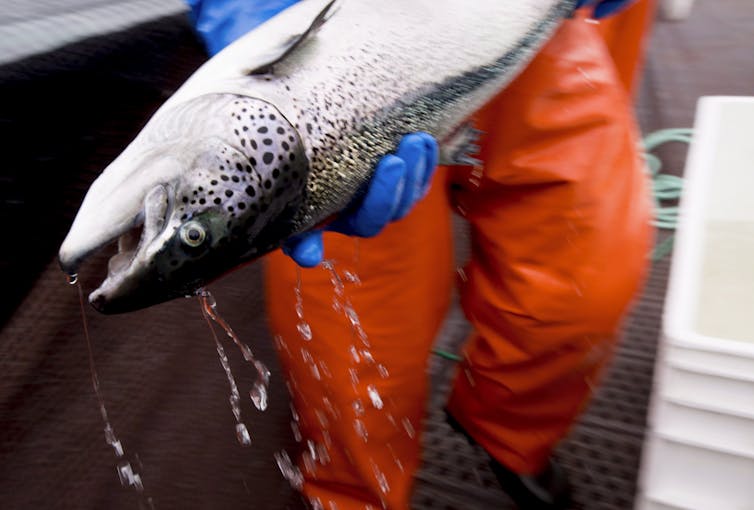
The Aquaculture Stewardship Council, for example, has a tool that gives countries a risk score. Businesses from high-risk countries — like Bangladesh, Belize, China, Colombia, Ecuador — would face additional barriers to using remote initial audits, which operators in low- and medium-risk countries would not face.
THE CANADIAN PRESS/Jonathan Hayward
High costs for lower income countries
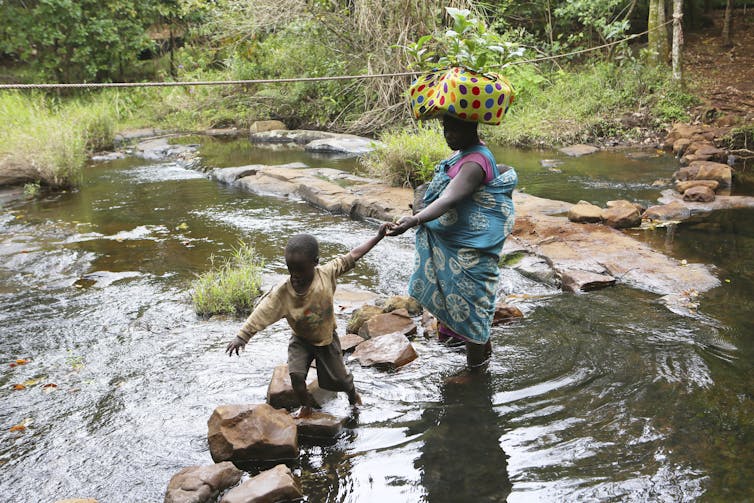
Another issue of fairness is the high costs of virtual audits. Businesses in lower income countries may have few resources to meet these costs and even face higher costs in getting access to the infrastructure, technologies and skills needed for virtual audits.
Even basic requirements, such as a stable and sufficiently fast internet connection for the transfer of documents, cannot be taken for granted for businesses in lower income countries.
(AP Photo/Tsvangirayi Mukwazhi)
If businesses in these countries must pay for these technologies, they may be unable to participate in the program and therefore lose access to the market for sustainable goods.
Finally, audit policies have been adapted in ways that help businesses already participating in programs. This reinforces existing biases towards high-capacity and well-resourced businesses that are often located in middle or higher income countries.
Virtual audits permanent?
The pandemic has raised the likelihood that virtual audits will become a more common component of inspections, even those done by government regulatory agencies. Some commentators are calling this a long-overdue shift.
Yet the fairness issues we’ve observed when it comes to eco-labelling audits are likely just as relevant for government inspections. This is particularly the case when government regulations draw on audits run by private eco-labelling programs. The European Union, for example, has given private programs the role of checking compliance with its sustainability criteria for biofuels.
(Rainforest Alliance), CC BY
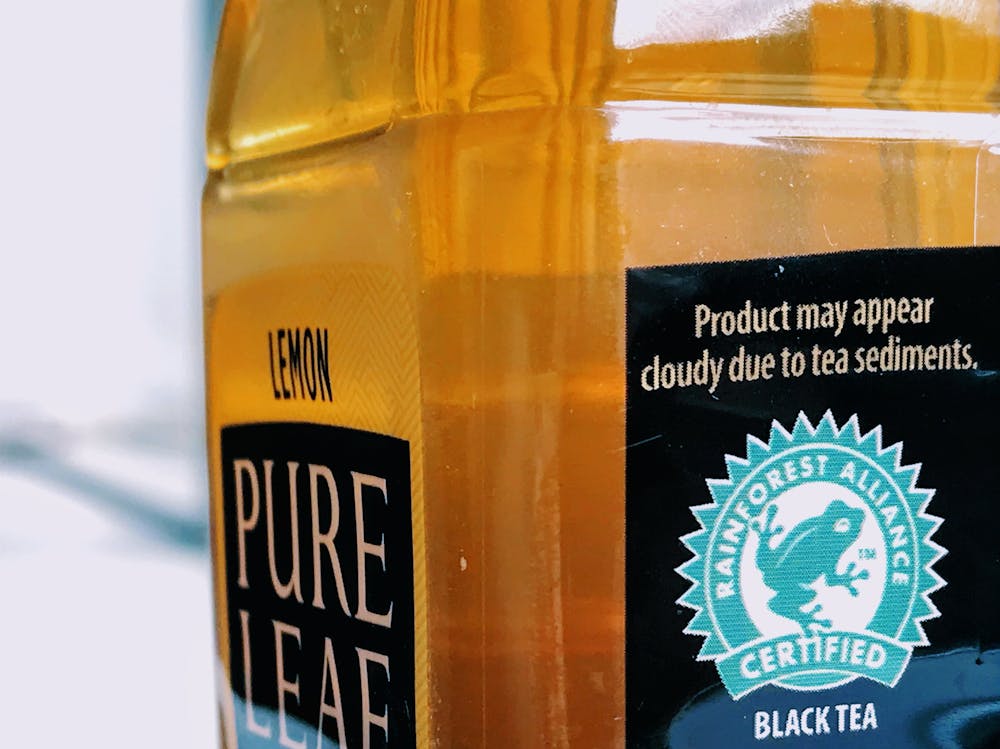
If eco-labelling programs remain focused on credible audits, they will continue to face fairness issues. Some programs are tackling this challenge. Programs such as Goodweave have created funds to support participating producers. Others, like the Rainforest Alliance, are sharing stories about the hardship facing producers.
In light of constraints and capacity gaps, postponing audits is often an option. But this option will become harder the longer the pandemic continues. Whatever the approach, fairness issues ought to be a concern for eco-labels in their efforts to remain credible.
Graeme Auld, Professor, Public Policy, Carleton University and Stefan Renckens, Assistant Professor of Political Science, University of Toronto
This article is republished from The Conversation under a Creative Commons license. Read the original article.




















