
Food
A hospital that prescribes free nutritious food to families who need more than medical care

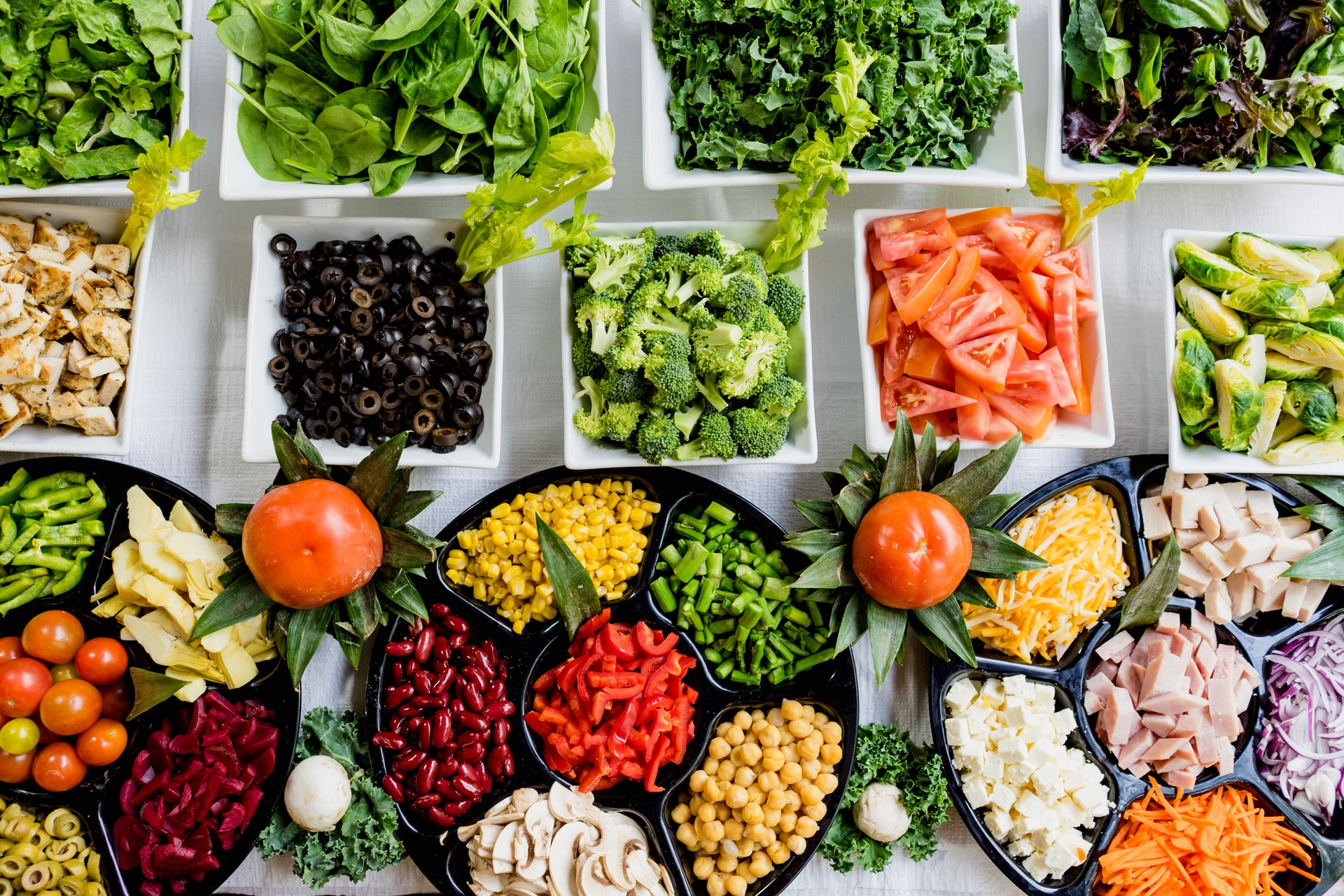
It’s also taking care to ensure that this one-time donation of nutritious food is culturally appropriate, meaning that people know how to prepare and consume the food they receive and it fits with their culture and beliefs. (File photo: Dan Gold/Unsplash)
Being food-insecure – unable to get enough nutritious food to meet your needs – can take a toll on your health. So Dayton Children’s Hospital has begun to screen its patients and their families for this problem and refer them to what it’s calling the “Food Pharm.”
This program, which launched about two years ago, currently aims to provide about 55 families per month with enough healthy food, such as whole grain pasta, beans and green beans, to feed a family of four for three days while also connecting them with other resources to help them get through the rest of the week.
It’s also taking care to ensure that this one-time donation of nutritious food is culturally appropriate, meaning that people know how to prepare and consume the food they receive and it fits with their culture and beliefs. For example, it’s not culturally appropriate to give people tofu if they’ve never seen it or cooked with it, or to give devout Muslims pork.
Participating families get a box of fruits, vegetables, dairy products, proteins and grains. Families also get some help, if they are eligible, enrolling in the government’s Supplemental Nutrition Assistance Program, as well as taking nutrition classes. The Food Pharm also connects the families of patients with food pantries near their homes so they might get more access to free food on a regular basis.
Being food-insecure comes with health risks
About 11% of all Americans and 25% of U.S. children are food-insecure. An even larger share of the population of Dayton, Ohio suffers from food insecurity: roughly 17%. And the number of people in Dayton who can’t get enough nutritious food is increasing during the coronavirus pandemic.
Among other things, being food-insecure increases the potential for obesity, heart disease and diabetes.
Troublingly, food-insecure kids are more likely to fare poorly at school than other children and to become socially isolated.
As a registered dietitian, I am voluntarily assisting this program to evaluate how well it works.
We don’t yet know how culturally appropriate the boxes are, or whether participating families actually eat all of the food provided. Dayton Children’s Hospital’s Food Pharm will look into those questions and use the information gleaned to make any necessary adjustments.
[Like what you’ve read? Want more? Sign up for The Conversation’s daily newsletter.]
Diana Cuy Castellanos, Assistant Professor of Dietetics and Nutrition, University of Dayton
This article is republished from The Conversation under a Creative Commons license. Read the original article.




















