Health
COVID-19 means a lot more work for families of children with disabilities, but schools can help

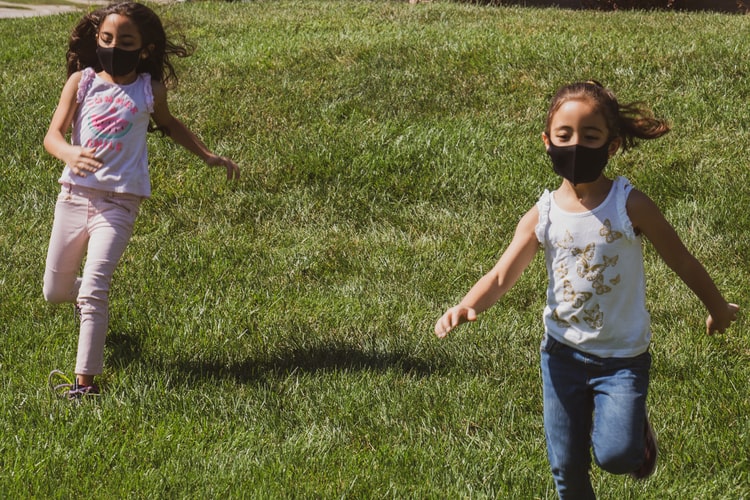
We are studying the experiences of family caregivers during COVID-19 through surveys and interviews with caregivers of children with and without disabilities nationwide. A resounding theme: All family caregivers are looking for respite. (File photo: @atoms/Unsplash)
Children don’t come with how-to manuals. Even if they did, they would all require a manual of their own, tailored to their unique make and model. That’s why caregiving can be rewarding, as well as puzzling and demanding – particularly for family caregivers of children with disabilities.
Although these caregivers often report that the role gives them a sense of purpose, it usually comes with physical, emotional and financial strains. COVID-19 has added major hurdles to accessing, delivering and evaluating special education services.
The U.S. House and Senate have both introduced COVID-19 relief bills to provide schools more funding to support students with disabilities. But what remains overlooked is a focus on supporting their family caregivers.
According to a 2020 report commissioned by the National Alliance for Caregiving and AARP, more than 14 million family caregivers in the U.S. provide unpaid care for children under 18. That’s an increase of over 4 million since 2015. These numbers don’t explain the unique and often challenging experiences of being a caregiver for a child with special needs. Additional caregiving demands can include extra appointments for evaluations and specialized therapies, and increased one-on-one support to accomplish everyday tasks.
One in 6 U.S. children have been diagnosed with a developmental disability such as attention deficit hyperactivity, autism, intellectual disability or cerebral palsy. These children have a complex range of caregiving needs involving their health, daily living and education activities.
We are studying the experiences of family caregivers during COVID-19 through surveys and interviews with caregivers of children with and without disabilities nationwide. A resounding theme: All family caregivers are looking for respite.
But according to our findings, caregivers of children with moderate to severe disabilities – like autism or attention deficit hyperactivity disorder (ADHD) – are facing significantly more stress, depression, anxiety and caregiver burden. These findings will be published in a forthcoming issue of “School Psychology.”
As one parent of a child with moderate disabilities shared, “My child was already struggling with in-person school. Coming home and having to do everything kind of independently, even though they had lessons online and videos he could watch, made his stress level super-high, which then made my stress level super-high.”
These strains are concerning, given that research suggests parental stress can influence outcomes for children with disabilities.
Part of this stress comes from having to fill the roles of multiple professionals with specialized training. One participant with two children – one with autism and one with ADHD – described feeling “left, in a sense, to try and meet all of those professionals’ needs, including occupational therapists, physical therapists, speech therapists [and] school psychologists.”
Another shared: “It trickles down to me doing a lot of research – one more thing in my bucket that’s always already overflowing.”
Our findings also suggest that caregivers of children with disabilities struggled to engage in personal wellness before the pandemic, compared with caregivers of children without disabilities. That dynamic has only worsened amid COVID-19.
“I kind of put my needs last, waiting for things to kind of settle down,” a participant shared. “But I’ve had like one crisis after another, and then the pandemic hit.”
We believe that providing quality education services for children with disabilities begins with supporting family caregivers. Using their own words, we captured a few ideas about how schools can support family caregivers, especially during this time of increased caregiving burden.
Hear their stories
A key concern among caregivers is feeling alone. One participant found value in a support hotline staffed by social workers. Another stressed the need to step up empathy and encouragement for family caregivers: “Sometimes it’s just getting to the end of the day and just trying to make it through and have fun and try to not let it get to you.”
Schools can check in with families, listening to ensure they are heard and feel connected.
Strengthen active collaboration
Educators rely on families to deliver critical instruction and therapies for students with disabilities. This means family caregivers need to feel comfortable asking them for specific help. Some schools have been building strong home-school partnerships during the pandemic.
Educators can set up frequent meetings with family caregivers to review and adjust learning plans. They can also be thoughtful in sharing resources that families are expected to use. As one parent told us, “I think it would make more sense for the school to go through these things instead of just giving us a million things to download … I would have to talk to the special education teacher as far as what makes sense for my child, with more quality than quantity.”
Support them in personal wellness
Personal wellness is critical to being able to help others. But big changes to established routines can create more stress for family caregivers. “It probably would have benefited me to already be doing some things like mindfulness and meditating,” one participant stated. “Maybe it would be easier for me to do that now if it had already been part of a routine.”
[Get the best of The Conversation, every weekend. Sign up for our weekly newsletter.]
Schools can support family caregivers by offering tips on how to take small steps that reinforce predictable routines, positive relationships and pleasurable engagement. A step may be as simple as taking two extra minutes in the shower to allow the brain to quiet.
Sandra M. Chafouleas, Professor of Educational Psychology, University of Connecticut and Emily A. Iovino, Postdoctoral research associate, University of Connecticut
This article is republished from The Conversation under a Creative Commons license. Read the original article.