
News
How COVID-19 is shaping the way Europeans think about politicians

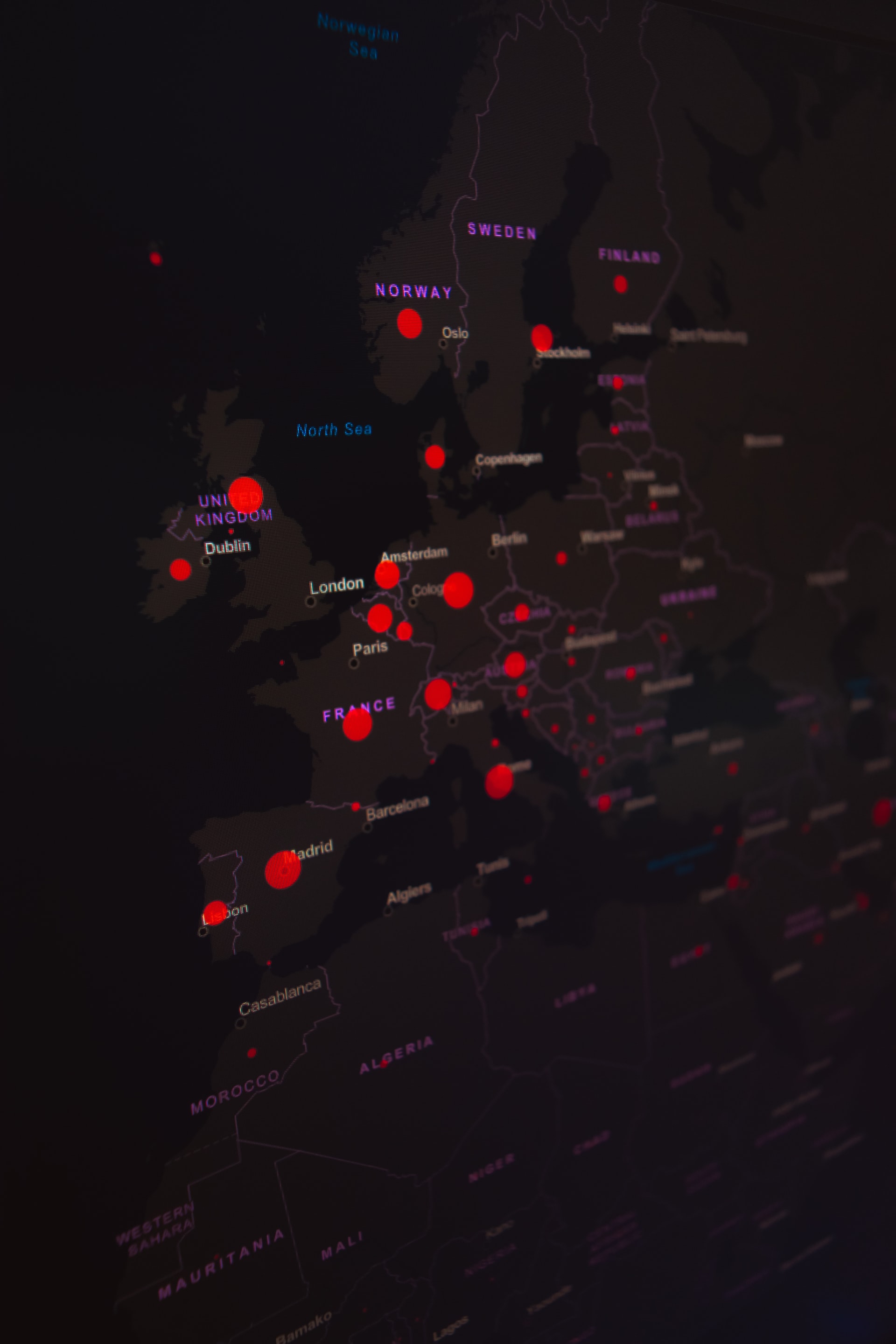
An experimental research study suggests that when people are thinking about the health crisis, they express less trust in politicians and political institutions such as the European Union. (File photo: Mati Flo/Unsplash)
COVID-19 is an unprecedented doom loop between a severe health crisis and grave economic repercussions. Government interventions to handle the outbreak and its aftermath first stopped public life in its tracks and then entirely reshaped it. This has left us in a kind of “new normal”, in which social interactions and labour conditions will probably never be the same again.
An experimental research study suggests that when people are thinking about the health crisis, they express less trust in politicians and political institutions such as the European Union. That’s even more the case when they are thinking about the economic ramifications of the situation we are all currently experiencing.
This is what the findings from four online surveys conducted in Italy, Spain, Germany and the Netherlands as part of the study suggest. The surveys were conducted well into the first wave of the epidemic (May-June) and had more than 2,000 respondents per country.
Some respondents were first asked about their experience of the COVID crisis, and then asked about their political opinions. They were asked, for example, if they knew anyone who had been diagnosed with COVID, and whether they were concerned about their health. That meant that, for this group, the health crisis was put front and centre in their minds. Their answers were then compared with respondents that were not given such “priming” questions at the beginning of the survey and were therefore not necessarily thinking about the pandemic. “Primed” respondents were 5% less likely to trust their national politicians and 12% less trustful of the European Union. When asked whether their country benefited from EU membership, they were 10% less likely to reply “yes”.
When posed priming questions about the economic consequences of the crisis, such as on job security or future opportunities, respondents were even more disappointed in their political institutions. They were also less willing to give up personal freedom in exchange for individual and public safety.
Similar bolts of “disillusion” have occurred before, often in the wake of natural disasters or economic shocks.
Such events will always overwhelm political institutions to some degree. Clearly citizens expected their institutions to be better prepared for the shock of the pandemic, and to be quicker on the ball to manage its fallout.
This disillusion also seems to chip away at another pillar of society, as the survey shows that support for financing the welfare state with taxes also goes down. This is true for all spending categories – poverty alleviation, health expenditure, unemployment benefits and pensions – and coincides with a higher dissatisfaction with the general tax burden.
The return of the expert
The news isn’t all bad though. Support for scientists and experts was 8% higher among respondents primed to think about health and economic issues first. This is especially true for the group receiving additional priming questions that cast the crisis as a conflict.
When respondents were asked whether they perceive the crisis as a struggle against an invisible enemy, and whether they see national solidarity as the best way forward, support for competence and expertise rose by a whopping 28%.
This result suggests a “rallying around the flag” effect is at play as well, to some extent mitigating the disillusion effect. Precisely because a crisis is an extraordinary event, citizens are more easily united around a common cause and are willing to put their shoulders under any kind of competent crisis response with enthusiasm.
A new political divide?
Surprisingly, and although we learn from the survey that faith in political institutions and the EU is wavering, “populist” attitudes have weakened as well. Support for a strong leader to deal with a crisis decreased by 5% for all primed respondents. They were also 5% less keen to let the “people” make the most important policy decisions instead of politicians. Support for populist political parties, if anything, is in retreat too.
In line with these findings, the latest polls show that populist parties are losing ground across Europe. This suggests that we may have reached a critical juncture, with the crisis potentially pushing our societies onto a different path.
Of course, the way in which governments manage the economic recovery and the resurgence of the virus in the months and years to come will be a crucial factor here. It will be interesting to see if the rising demand for competence that the survey uncovers, is met in the future. Or whether the “disillusion” effect of the crisis is eventually channelled in renewed, or even bolstered support for populist parties.
In this sense, a new fault line in the political arena may be opening up, setting simple policy solutions against the complexity of nuanced, yet competent approaches.

Willem Sas, Lecturer, Economics Division, University of Stirling and Gianmarco Daniele, Assistant Professor at University of Milan and Executive Director of the CLEAN Unit on the economics of crime at Bocconi University, Bocconi University
This article is republished from The Conversation under a Creative Commons license. Read the original article.




















