News
Blood donations show that the United States is still nowhere near herd immunity

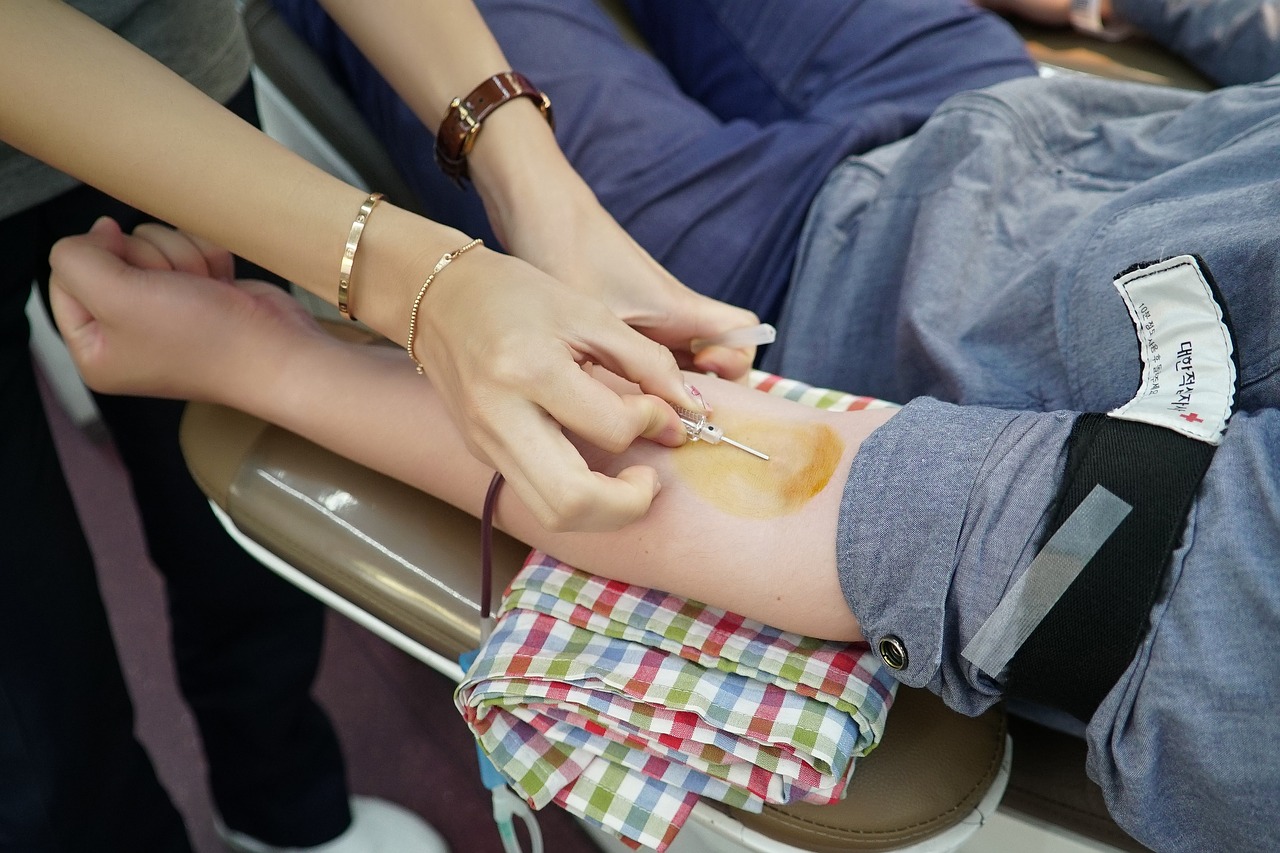
Blood donations aren’t a random sample of the population, but the data can give researchers an idea how much of a population has been exposed to the virus, a concept known as seroprevalence, and how susceptible different populations remain to continuing outbreaks. (Pixabay photo)
Less than 2 percent of nearly 1 million blood donors tested positive for coronavirus antibodies
To better understand how widely the coronavirus has spread in the United States, some researchers are turning to an unusual source of data: blood donations.
In an effort to encourage more donations, many blood collection centers have been offering to test donated blood for antibodies to the coronavirus, which indicates a past infection with SARS-CoV-2, the virus that causes COVID-19. Of the nearly 1 million Americans who donated blood to the Red Cross from June 15 to August 23 and were tested, only 1.82 percent had the antibodies. That finding suggests that the vast majority of Americans have yet to be infected with the virus, researchers report September 14 in JAMA.
Blood donations aren’t a random sample of the population, but the data can give researchers an idea how much of a population has been exposed to the virus, a concept known as seroprevalence, and how susceptible different populations remain to continuing outbreaks.
While seroprevalence was generally low across the country, there was variation among different demographic groups. African-American and Hispanic donors had slightly higher seroprevalence, compared with white donors, which matches patterns seen in clinical diagnoses of COVID-19.
Seroprevalence varied by region too. All regions except the Northeast experienced modest increases in seroprevalence over the course of the summer. By August 23, the South had a seroprevalence of about 2.9 percent, higher than the Midwest (about 2.7 percent) or West (about 2.4 percent) or Northeast (about 2.1 percent).
This story was originally published by Science News, a nonprofit independent news organization.