
Headline
Breastfeeding ensures nutritious milk supply for babies

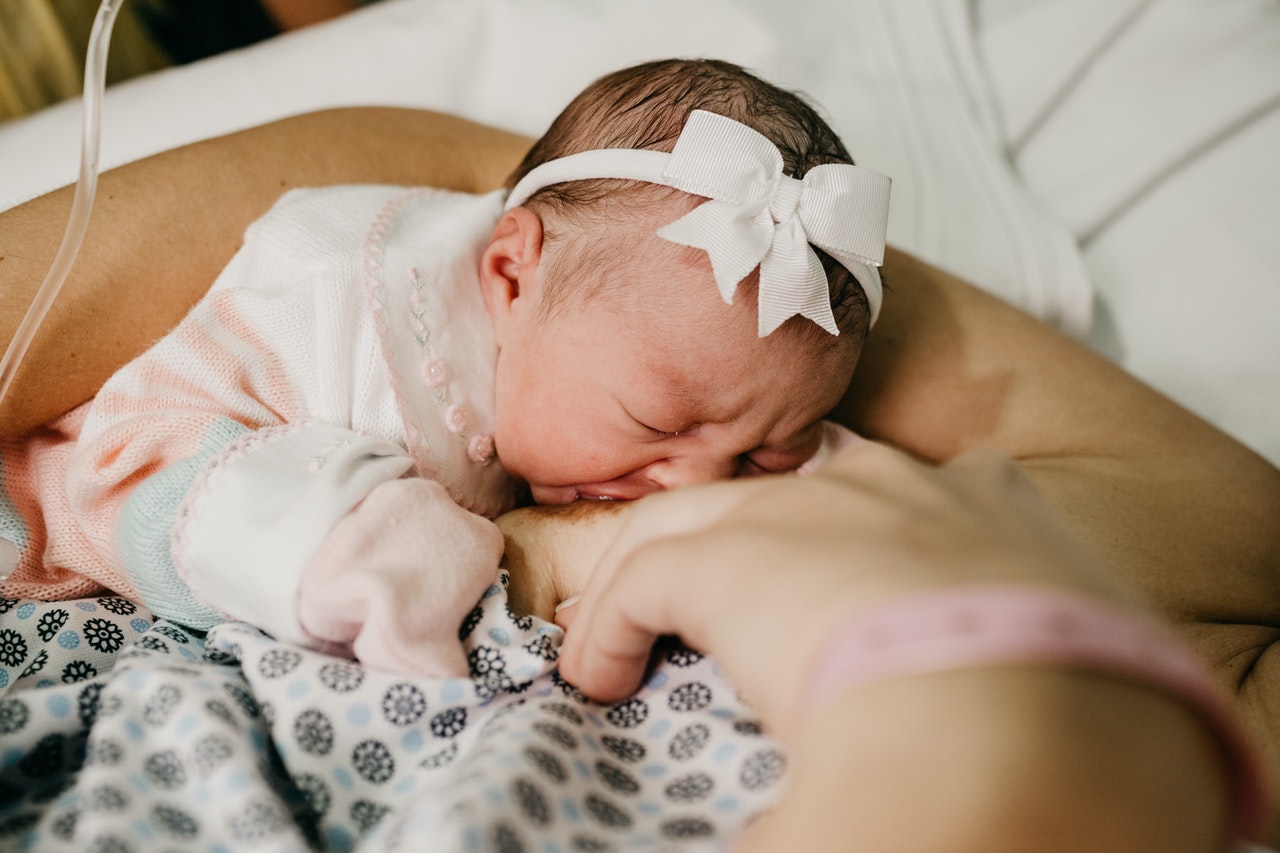
The status of breastfeeding in the Philippines reveals how NGF Message # 2 was promoted to and practiced by lactating mothers. (Pexels photo)
The Nutritional Guidelines for Filipinos (NGF) Message # 2 recommends to “Breastfeed infants exclusively from birth up to 6 months, then give appropriate complementary foods while continuing breastfeeding for 2 years and beyond for optimum growth and development”.
The NGF is a set of 10 recommendations to achieve overall well-being through proper nutrition and healthy lifestyle.
It was crafted by nutrition and health experts led by the DOST-FNRI.
The status of breastfeeding in the Philippines reveals how NGF Message # 2 was promoted to and practiced by lactating mothers.
The 2018 Expanded National Nutrition Survey (ENNS) by the DOST-FNRI showed that there is an increasing number of mothers who are able to breastfeed newborns within the first hour after delivery.
Eva A. Goyena, Ph.D., DOST-FNRI Senior Science Research Specialist, reported that in 2018, there were 7 out of 10 mothers who breastfed newborns within the first hour after birth, compared to 5 out of 10 mothers in 2011.
Breastfeeding during the first hour after birth is important because the mother’s milk contains colostrum.
Colostrum is the yellowish fluid that is secreted from the mammary glands of the breasts after giving birth. It is rich in nutrients and antibodies that is essential in strengthening the immune and digestive system of the baby.
Colostrum is sometimes referred as the first oral vaccine given to babies.
Dr. Goyena further reported that the number of mothers who exclusively breastfed infants from birth up to 6 months is likewise increasing. There are 3 out of 10 mothers who exclusively breastfed newborns up to six months in 2018, compared to 2 out 10 mothers in 2011.
Although there is an increase in the number of mothers initiating breastfeeding from birth, the proportion of lactating mothers in our population who continue to exclusively breastfeeding infants until six months, in our is relatively low. Thus, there is a need to intensify our campaign on exclusive breastfeeding from birth until six months, Dr. Goyena added.
Exclusive breastfeeding is best for babies from birth up to six months because it can give the right proportion of nutrients needed by the infant. Thus, breastfed infants are likely to gain the right amount of weight.
Breastfeeding likewise protects the health of mothers. During breastfeeding, mothers release the hormone oxytocin that helps the uterus return to its pre-pregnancy size.
They are also more likely able to return to their normal weight. Breastfeeding may also reduce the risk of ovarian and breast cancer.
Another advantage of breast feeding is promoting physical closeness between the mother and the newborn through skin-to-skin touching, eye to eye contact and familiarizing with the mother’s smell, voice, and face.
Breastfeeding saves time and money since there is no need to wash and sterilize feeding bottles and no need to buy expensive infant formula.
The NGF recommends complementary feeding at six months while continuing breastfeeding until to two years and beyond.
How many of the babies who were exclusively breastfed at six months were still breastfeeding at one year and at two years?
Dr. Goyena reported that there were 5 in every 10 infants who were still breastfeeding at 1 year, and the number decreased to 3 in every 10 who were still breastfeeding at two years old. Thus, the numbers may be increasing, but the proportion of babies still breastfed until two years old is very low.
In times of emergency, breastfeeding safeguards food security of the baby. It also means savings for the family by not buying formula milk and bottle feeding supplies and not worrying about medical expenses involved due to sickness related to its consumption and improper preparation.
Let us protect, promote, and support breastfeeding among pregnant mothers.
Breastfeeding guarantees enough, if not abundant, supply of nutritious milk for babies.
#ResistensiyaPalakasinWastongPagkainLabansaCOVID19




















