
Canada News
Sewers stitch masks to free up supplies for front line health care workers

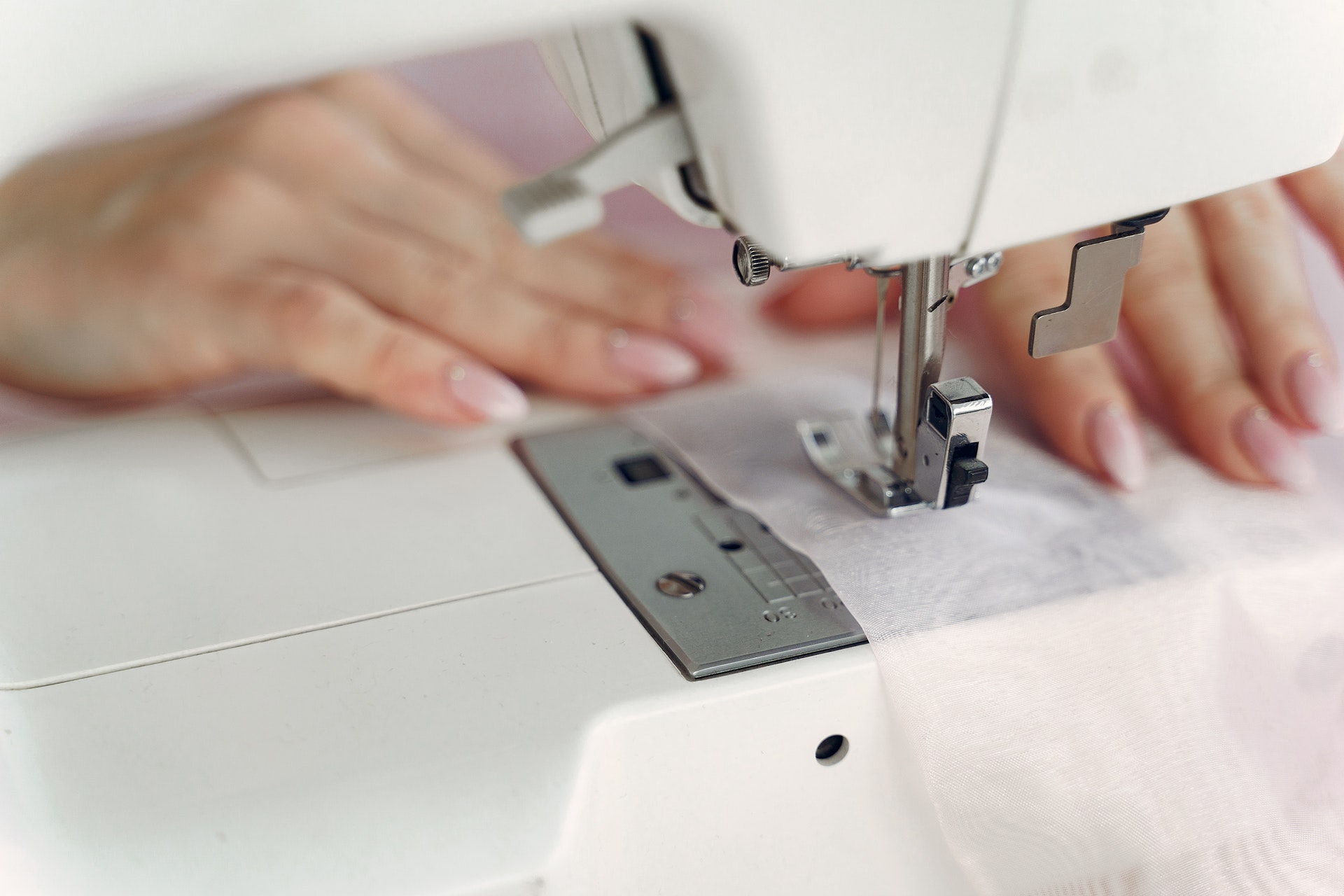
Registered nurse and novice sewer Joan Davis says she co-founded the Facebook group Sewing for Lives, Ontario out of concern there wouldn’t be enough masks for the army of workers and volunteers doing their part both in and out of hospital. (Pexels photo)
Sewers across the country are joining the fight against COVID-19 by fashioning fabric masks in an effort to bolster the supply of personal protective equipment. But health officials warn that homemade face covers shouldn’t be used as a substitute for federally regulated medical gear.
Registered nurse and novice sewer Joan Davis says she co-founded the Facebook group Sewing for Lives, Ontario out of concern there wouldn’t be enough masks for the army of workers and volunteers doing their part both in and out of hospital.
She launched the effort March 20 with a call to fellow sewers in the Ottawa area to stitch masks for those directly and indirectly supporting efforts to combat the crisis, including staff at long-term care facilities, food banks and pharmacies.
Within a week, the group swelled to include nearly 900 members, with a strong contingent from Western Canada.
“We have little old ladies sewing up a storm,” said Davis, a nurse for more than 30 years.
“People are sitting at home and they want to help, so it’s kind of giving them an outlet.”
The masks typically consist of multiple layers of cotton and are fitted with elastic or fabric ear loops, David said. The group asks that all masks be laundered before they’re donated and washed again before use.
However, the masks do not offer the same protection as N95 respirators used in hospitals, Davis allowed.
Those close-fitting medical devices can filter out tiny particles and protect doctors and nurses against exposure to respiratory viruses and bacteria.
But they are better than nothing, said Davis.
She said nurses in the United States mounted a similar stitching effort south of the border after the Center Disease Control suggested homemade masks, scarves and bandanas could be a “last resort” enhancement or alternative to personal protective equipment.
However, Health Canada is urging health-care workers to use caution when considering homemade masks on their own or on top of N95 respirators.
The federal agency warns that the materials may not provide complete protection against COVID-19, and that the masks may not fit properly.
If the user is forced to frequently readjust the mask — and touch their face — that increases their chance of contracting the virus.
Colin Furness, an infection control epidemiologist and assistant professor at the University of Toronto, agreed that homemade masks don’t provide sufficient protection for health-care workers.
Even in the event of a shortage, Furness said he would sooner recommend medical personnel reuse N95 respirators.
However, Furness said homemade masks can help visitors to health-care settings avoid transmitting the virus to vulnerable populations.
“The clear purpose is not to protect the visitor from anything … but for that person who’s wearing it to keep their breathing, their sneezing or coughing, to themselves,” said Furness.
At least one Toronto hospital seemed to agree sewers have a role to play.
Michael Garron Hospital has challenged sewers to make 1,000 masks a week for visitors, and potentially other members of the community.
And the Toronto Humane Society and the Chilliwack, B.C., branch of the Society for the Prevention of Cruelty to Animals have asked for hand-sewn masks so they can donate their medical supplies to human health-care professionals.
In Vancouver, the sewing group Our Social Fabric has its enlisted its members to sew scrub caps that would be donated to local hospitals
The textile recycling initiative is also collecting homemade pleated masks to distribute to community groups and long-term care facilities, said Carol Smith, a member of the nonprofit’s board of directors.
Garden Villa Retirement Residence in North Dundas, Ont., accepted a donation of 40 hand-crafted masks from the Sewing for Lives group, said general manager Darlene Sherrer.
While Sherrer said they’ve yet to see so much as a cough, she said the facility has a supply of N95 respirators for staff to wear if residents get sick.
But if that runs out, Sherrer said she’s grateful to have the homemade masks in her “back pocket.” While they may not be as effective as medical-grade equipment, she said they’re better than nothing.
“With all the hubbub and worry right now … it’s so nice to have people in the community that are thinking of us,” she said.
“To see them be able to help with a skill that they have is just exceptional.”




















