Health
Babies frequently exposed to cleaning products at higher risk of asthma: study

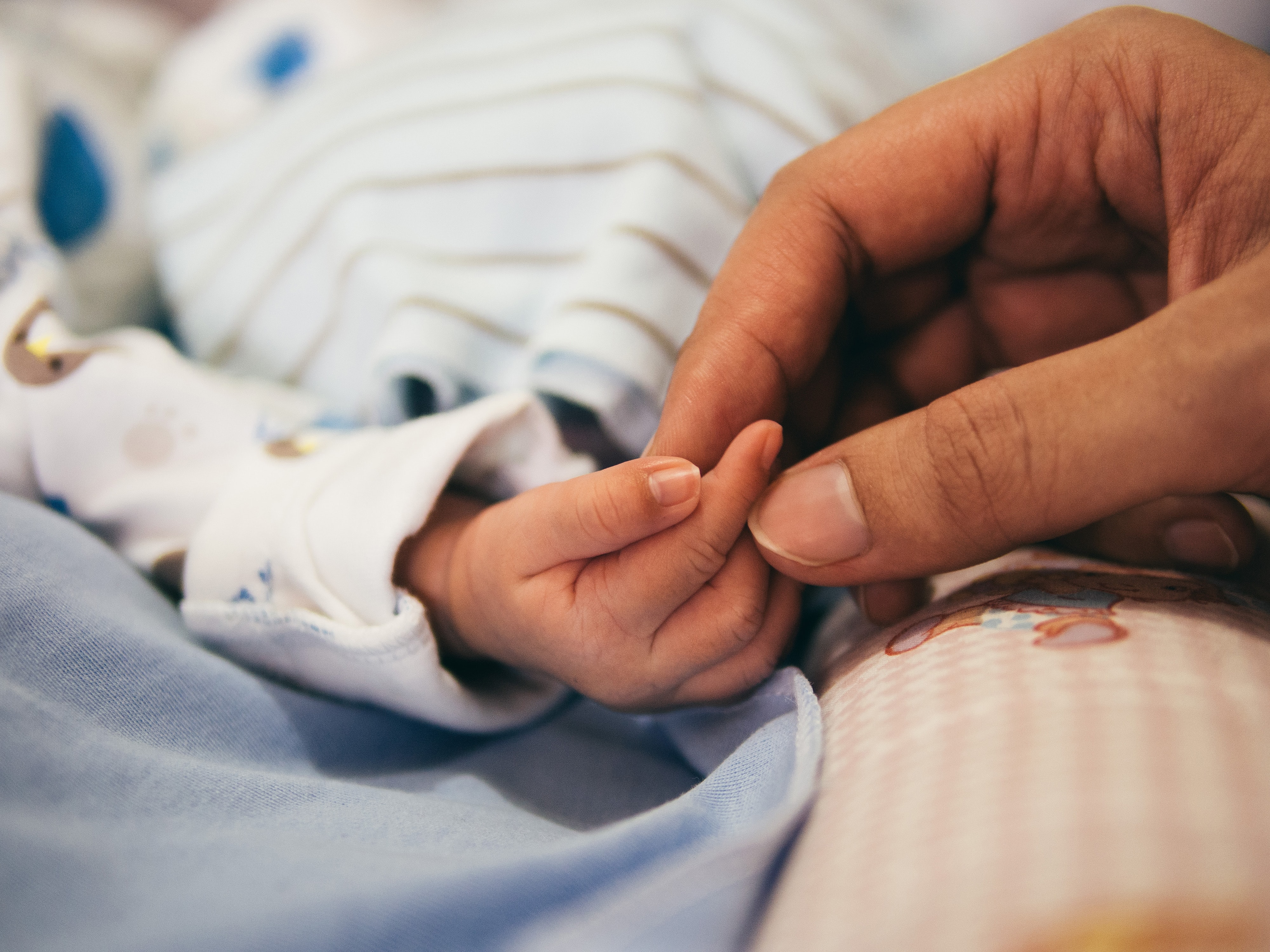
Lead author Jaclyn Parks, a health sciences graduate student at Simon Fraser University, said the first few months of life are critical to the development of a baby’s immune and respiratory systems. (Photo by Aditya Romansa/Unsplash)
VANCOUVER — New research suggests frequent exposure to common household cleaning products can increase a child’s risk of developing asthma.
The CHILD Cohort Study found young infants living in homes where cleaning products were used frequently were more likely to develop childhood wheeze and asthma by age three.
Lead author Jaclyn Parks, a health sciences graduate student at Simon Fraser University, said the first few months of life are critical to the development of a baby’s immune and respiratory systems.
“The risks of recurrent wheeze and asthma were notably higher in homes with frequent use of certain products, such as liquid or solid air fresheners, plug-in deodorizers, dusting sprays, antimicrobial hand sanitizers and oven cleaners,” Parks said in a release.
“It may be important for people to consider removing scented spray cleaning products from their cleaning routine. We believe that the smell of a healthy home is no smell at all.”
The study was published Tuesday in the Canadian Medical Association Journal.
The study used data from 2,022 children enrolled in the Canadian Healthy Infant Longitudinal Development cohort study and examined their daily, weekly and monthly exposure to 26 types of household cleaners — including dishwashing and laundry detergents, cleaners, disinfectants, polishes, and air fresheners.
By the age of three, 7.9 per cent of those living in homes where cleaning products were used frequently had asthma. That’s compared to nearly five per cent diagnosed from homes that used low amounts of products.
Data were collected between 2008 and 2015.
Researchers also found the relationship between product exposure and respiratory problems was much stronger in girls than boys.
Lead researcher Tim Takaro of Simon Fraser University noted infants typically spend most of their time indoors and come in regular contact with household surfaces, making them especially vulnerable to chemical exposure.
The findings suggest that small, preventive changes could help families with children at risk of asthma. That could include choosing cleaning products that are not sprayed or contain volatile organic compounds (VOCs), which are gases emitted from solids or liquids that can be found in aerosol sprays, paints, glue, cleansers and disinfectants.
Health Canada recommends reducing VOC exposure, noting health effects may include breathing problems, irritation of eyes, nose and throat, and headaches.
But manufacturers in Canada and the United States are not required to list all ingredients in cleaning products. Some “green” products may also contain harmful substances, said the study.
The findings were not surprising to Toronto evironmental journalist Candice Batista, whose website The Eco Hub promotes environmentally conscious Canadian brands and companies.
“There’s been tonnes and tonnes of studies that show that indoor air pollution can be five to 10 times worse than outdoor air pollution. And that’s thanks mostly in part to the products and the cleaning items that we have in the home,” said Batista.
While it can be confusing for consumers to know what ingredients could add to indoor pollution, Batista suggested eco-conscious shoppers look for ingredients that use common terms and are easy to read, and avoid those that contain ammonia, coal tar dyes and fragrance or parfum.
“If a label has the word ‘fragrance’ or ‘perfume’ on it, avoid it. Don’t buy it,” she said, noting the term generally involves undisclosed chemicals.
“Companies, through loopholes in Health Canada’s legislation, are allowed to use those terms to protect their proprietary concoction.”
Those looking to freshen their home can consider a scented candle or diffuser instead, she said, while recipes abound for alternative homemade cleaners. Common do-it-yourself concoctions use hydrogen peroxide or vodka to disinfect, and vinegar and baking soda as a soap substitute, she said.
The research team on the study included experts at Simon Fraser University; the University of British Columbia; McMaster University; the University of Alberta; the University of Manitoba; the University of Toronto and The Hospital for Sick Children in Toronto.
Funding came from the Canadian Institutes of Health Research, and the Allergy, Genes and Environment Network of Centres of Excellence.