
Canada News
Alberta chiefs boycott consultation meetings with province over development

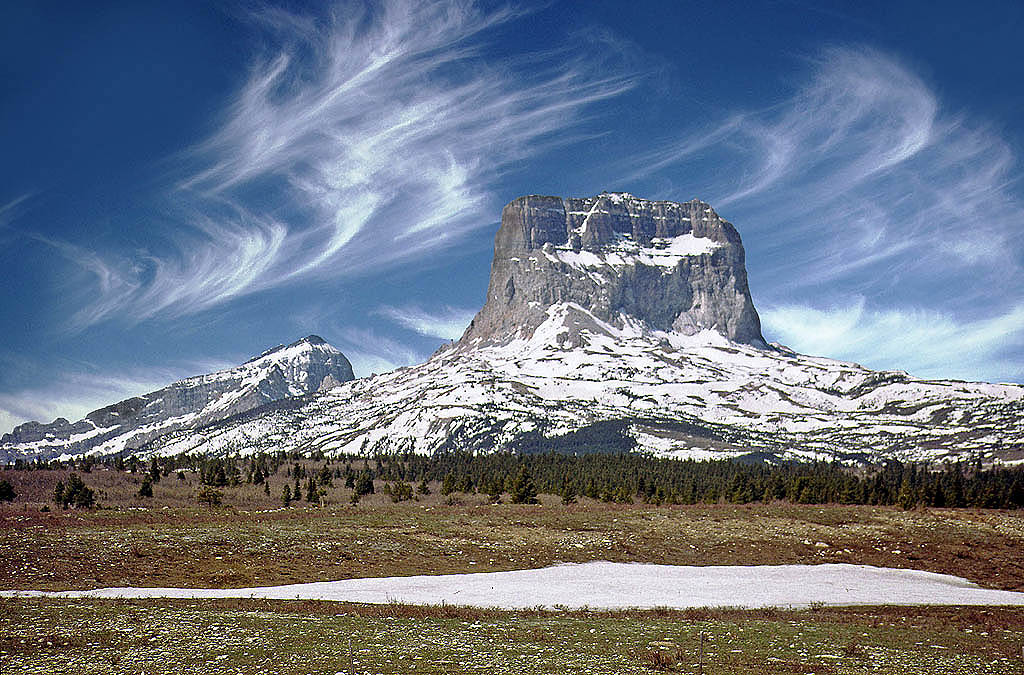
During the 1870s, the Blackfoot signed treaties with the United States and Canada, ceding their lands in exchange for annuities of food and medical aid, and help with farming. Since that time, the Blackfoot have worked to maintain their traditional language and culture in the face of assimilationist policies of the North American nation states. Photo by Astronautilus / Wikimedia Commons.
EDMONTON—A dozen northern Alberta chiefs say they will boycott the province’s attempt to implement legislation to regulate consultation with industry over development on their lands.
“We’re sick and tired of someone telling us what to do and thinking for us,” Rose Laboucan, chief of the Driftpile First Nation, said Thursday. “We can think for ourselves.”
Laboucan is one of 12 chiefs who hand-delivered their message to Aboriginal Affairs Minister Frank Oberle as he waited for them to show up at a meeting to discuss the Alberta Consultation Levy Act.
The boycott means no Treaty 8 chief will meet with government representatives on the act. Nor will technical staff co-operate with government staff in the field.
The chiefs want the legislation rescinded. If it isn’t, they say they will file a lawsuit over it.
The legislation, which has been passed but not enacted, attempts to standardize and regulate how industry must consult with aboriginals about development on their lands.
A single government office is to set standards for when consultation is required and how much is enough. It is also to outline what would be necessary for what kind of project.
A levy on industry is to be imposed to ensure First Nations have enough resources to fully participate. The law would allow for benefits agreements between individual bands and companies to remain private, although the deals would be part of provincewide data that would be released.
Aboriginals have objected since the bill was first introduced in early 2013. They say they were handed a finished piece of legislation instead of being consulted when it was being drafted. They also say their numerous submissions to government on the bill were ignored.
They suggest it gives them no voice in choosing which land is made available to industry and imposes restrictive timelines on small bands already struggling to keep up with proposed development.
“We’re tired of the Alberta government undermining us as First Nations,” said Steve Courtoreille, chief of the Mikisew Cree First Nation. “It’s time we pushed back.
“Every First Nation has the right to say how they want to be consulted.”
The legislation proposes an industry levy, to be distributed by government, to help First Nations pay for research and other costs associated with considering development proposals. Courtoreille questioned the intent of that money.
“They’re offering bribes to get First Nations to sign off—which means selling out.”
Oberle called the word unfortunate.
“‘Bribe’ is a horrific term,” he said.
Oberle said industry and government had agreed with First Nations that they required more funding to ensure they can play a meaningful role in the consultation process, and that the proposed levy on industry is meant to supply that funding.
Oberle said his staff has met repeatedly with aboriginal leaders and have offered to change parts of the legislation, including clauses that would have forced the disclosure of any deals between industry and bands.
“I’m disappointed the chiefs of Treaty 8 have chosen this path,” he said. “We have more talking to do.”
The government will not rescind the act, Oberle said.
The boycott is the latest in a number of conflicts between the provincial government and aboriginal groups, mostly over influence on industrial development in northern Alberta.
Lawsuits have been filed over project approvals and the province’s new regulatory regime that explicitly prevents panels from hearing constitutional arguments. The government’s main planning tool in the oilsands region is universally opposed by area bands and is the subject of a legislative review.
Bands are also angry that they’ve been shut out of regulatory hearings.
Oberle says the relationship with aboriginal groups is “great,” pointing to expenditures on restoring reserves after flooding in southern Alberta last summer.
“I make no apologies for Alberta in its relationship with First Nations,” he said.




















