News
DA, DOH join hands to curb spread of ASF

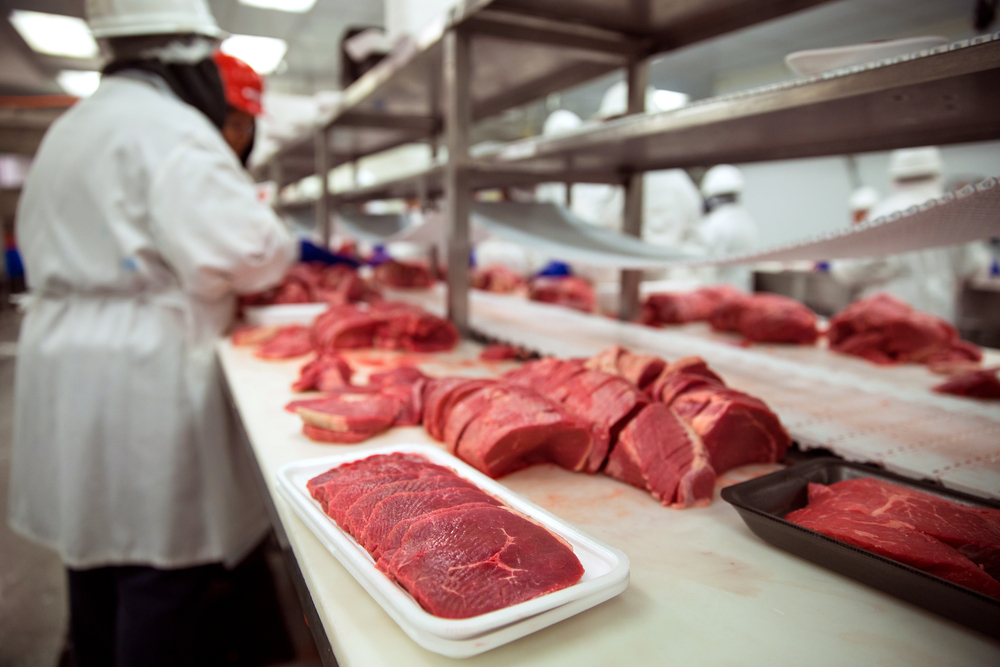
Domingo noted that there have been already inspections conducted on meat processors, citing the discovery of the ASF virus on the longganisa and hotdog products from Mekeni Food Corporation. (Shutterstock Photo)
MANILA — The Department of Agriculture (DA) and the Department of Health (DOH) on Monday have agreed to strengthen their cooperation in monitoring pork meat and processed meat products to control the incidence of African swine fever (ASF) in the country.
At a press conference in Quezon City, Food and Drug Administration (FDA) officer-in-charge Rolando Domingo said the agency is going to partner with the National Meat Inspection Service (NMIS) under the DA to conduct inspections on processed meat.
“We will continue to monitor them in tandem with NMIS, so we are going to partner with NMIS. The FDA will also authorize NMIS inspectors to check on processed meat products, kasi nga yung hatian naming pag hilaw na karne sa kanila, pag processed sa FDA. Kaya lang kulang naman po talaga ng inspectors ang FDA (The FDA will also authorize NMIS inspectors to check on processed meat products, since the responsibility for inspecting raw meat are theirs and processed ones are ours. This is because the FDA really lacks inspectors)” he said.
“So we are giving our NMIS counterparts the authority to also look into processed meat products both in storage and in the factories,” he added.
Domingo noted that there have been already inspections conducted on meat processors, citing the discovery of the ASF virus on the longganisa and hotdog products from Mekeni Food Corporation.
“As of October 31, the FDA has inspected the factories of 63 processed meat manufacturing establishments. There are 178 na merong license to operate na processed meat manufacturers sa Pilipinas, inuna naming yung 63 na pinakamalalaki (There are 178 processed meat manufacturers in the Philippines that has a license to operate, but we checked on the 63 first since they are the largest,” he added.
Bureau of Animal Industry (BAI) officer-in-charge Ronnie Domingo put forward zoning as a solution to contain the spread of ASF from infected areas to safe locations, stating its contribution in eradicating foot and mouth disease from the national pig population.
“Ibig sabihin ang bawat lugar may kulay siya. Yung movement ng hayop ay nakadepende sa kulay ng iyong zone (It means that each area will have an assigned color. The movement of animals and the products made from them will depend on the color from their zone of origin),” he said.
DA Secretary William Dar, however, highlighted that smuggling and the unchecked movement of animals and meat products formed another challenge in controlling the spread of the hog disease, which the Bureau of Customs (BOC) and other border agencies could help.
“We will pursue where possible now the first border inspection but it will entail also facilities to be constructed in due time.
But the Customs have been very forthcoming by being our lead inspection group at the seaports and airports; we’ll be there partnering with them,” he said.
Domingo also expressed willingness to cooperate with the BOC, stating that they “will also work with the Bureau of Customs and the DOH Bureau of Quarantine to check that the importation of processed meat products from ASF-affected countries whether for commercial use or yung hina-hand carry nila, mababantayan din natin at mare-regulate (or for items that are hand-carried so that we can also monitor and regulate them).”
Dar pointed to the importation of meat from ASF-affected countries as the main culprit for the outbreak of the virus in the country.
“Na yung galing China nasabat natin ay positive for ASF also. Meaning ito talaga ang pinaka problema natin, introduced itong ASF, meat and pork products ang nakumpiska natin at nagka-positive. This confirms our earlier hypothesis na talagang galing sa ibang bansa (Seized products that came from China also tested positive for ASF. Which means that confiscated meat and pork products positive for ASF are our main problem, since it introduced the virus in the country. This confirms our earlier hypothesis that the disease really came from another country),” he said.