
Canada News
Lawsuit argues new air travel rules violate passengers’ charter rights

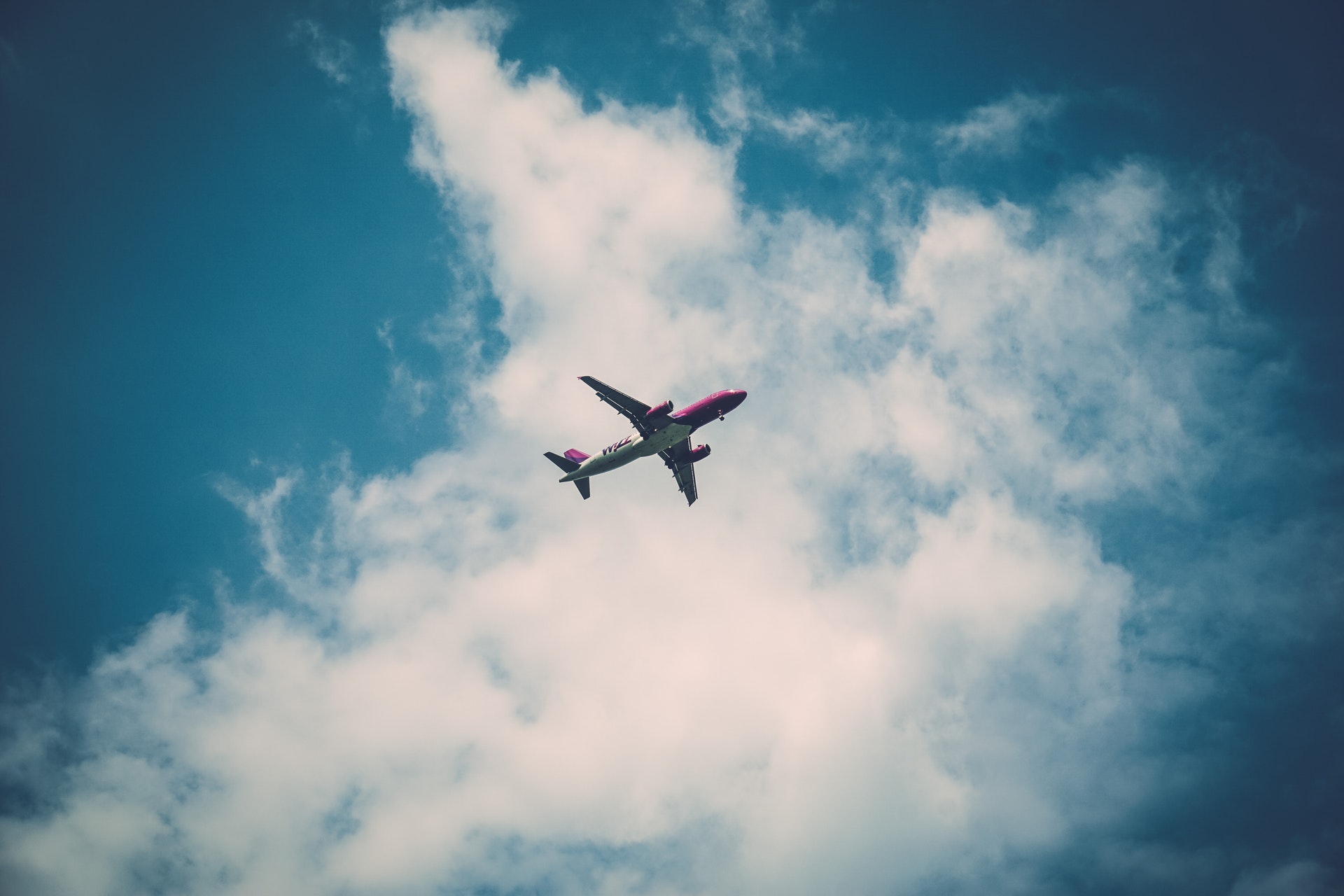
The new regulations allow airlines to keep travellers on the tarmac for up to three hours — plus an extra 45 minutes if there is an “imminent” possibility a late plane will take off — twice the amount of time recommended by a Senate committee last year. (Pexels Photo)
MONTREAL — Two advocates are challenging in court new air travel rules that allow tarmac delays of nearly four hours, arguing the regulations violate the charter rights of some Canadians living with a disability.
Bob Brown, a disability rights advocate, says the long-awaited rules reduce by up to 2,000 kilometres the distance he can travel by air without putting his health at risk.
“I am quadriplegic…My disability limits how long I can spend in an airline seat without experiencing severe pain, developing pressure sores or getting excessively dehydrated,” Brown said in a release.
“The longer the airline can keep me on the tarmac, the shorter the duration and distance that I am able to travel safely.”
Brown and passenger rights advocate Gabor Lukacs are asking the Federal Court of Appeal to hear their lawsuit against the Canadian Transportation Agency, arguing the rules violate equality rights, which prohibit discrimination based on physical disability.
The new regulations allow airlines to keep travellers on the tarmac for up to three hours — plus an extra 45 minutes if there is an “imminent” possibility a late plane will take off — twice the amount of time recommended by a Senate committee last year.
“You just can’t get to the washroom, so you have to dehydrate yourself,” Brown told The Canadian Press from Ottawa. “A short trip like Toronto to Ottawa, you could handle that, but if you’re sitting out on the tarmac for another three hours and 45 minutes, that becomes another issue — you gotta go, you gotta go.”
The first batch of regulations are expected to land in mid-July and will require airlines to help and compensate passengers languishing on tarmacs for hours. The issue came to the forefront after a 2017 incident in which two Montreal-bound Air Transat jets were diverted to Ottawa due to bad weather and held on the tarmac for up to six hours, leading some passengers to call 911 for rescue.
Announced by Transport Minister Marc Garneau last month, the new rules also narrow the definition of “denial of boarding,” under which passengers bumped from a flight can receive compensation from an airline.
Under the current rules, denial of boarding includes scenarios in which an airline unilaterally moves a passenger to a different flight or closes the check-in counter before the scheduled cut-off time. Those situations can fall outside the definition under the new regulations, contradicting the aim of passenger protection outlined in the Canada Transportation Act, Lukacs claimed.
“If 12 hours before the flight they change the ticket against your will, that won’t be denied boarding” — unless the airline acknowledges the flight was overbooked, he said.
“I am profoundly troubled the government is taking away the rights of passengers under the guise of consumer protection legislation.”
The rules impose no obligation on airlines to pay customers for delays or cancellations if they were caused by mechanical problems discovered in a pre-flight check — walking around the aircraft before takeoff looking for defects in the fuselage and flight control surfaces — rather than during scheduled maintenance — more thorough inspections required after 100 hours cumulatively in the air. AirHelp, a Berlin-based passenger-rights company, has said the number of issues categorized as outside an airline’s control amounts to a long list of ways to avoid compensating passengers.
Starting July 15, passengers will have to be compensated up to $2,400 if they are denied boarding because a flight was overbooked, and receive up to $2,100 for lost or damaged luggage. Compensation of up to $1,000 for delays and other payments for cancelled flights will take effect in December.
The Canadian Transportation Agency declined to comment, noting that the case is before the courts.




















