
Business and Economy
Why criminals look to Canada to launder their money through real estate

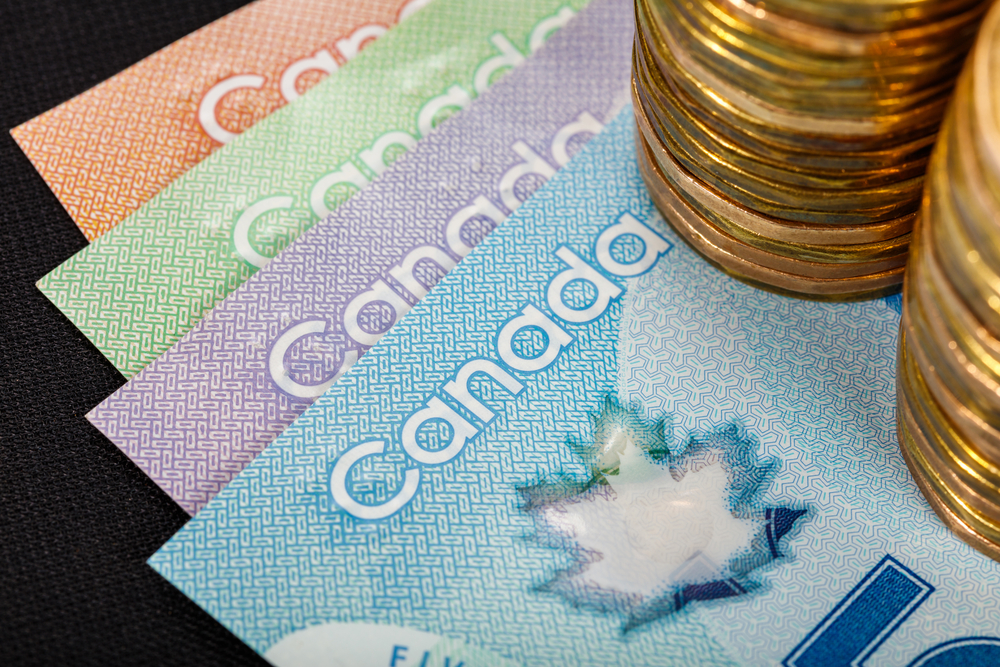
With some of the weakest money-laundering laws among liberal democracies, Canada stands out as a place to launder cash, said Comeau, a retired lawyer and member of Transparency International Canada’s working group on beneficial ownership transparency. (Shutterstock Photo)
News that some $5 billion was laundered through British Columbia’s real estate market in 2018 comes as no surprise to experts, as Canada’s weak money-laundering laws make it an attractive spot to park ill-gotten cash.
Kevin Comeau, author of a recent C.D. Howe report on money laundering, says people in corruption-prone states who seek to hide the source of their wealth can’t just buy a big house in their community, so they often look to cache it abroad.
“Autocracies, kleptocracies, developing and transitioning nations — they’ve got corruption from politicians and they’ve got crime from drugs and human trafficking. They can’t keep that money in their own country without the risk of it being confiscated by someone closer to power,” Comeau said.
They often start by mixing ill-gotten gains with legitimate proceeds — from a restaurant or other cash business — and depositing them in a bank.
“What’s a bank to do? Go down and start counting the dishes?” he asked.
The funds are then funnelled through a series of shell companies and trusts registered in tax havens such as the Seychelles or British Virgin Islands. These states have tiny corporate taxes and, like Canada, offer anonymity by allowing the real, or “beneficial,” owner to go undisclosed.
With some of the weakest money-laundering laws among liberal democracies, Canada stands out as a place to launder cash, said Comeau, a retired lawyer and member of Transparency International Canada’s working group on beneficial ownership transparency.
Houses, mansions and whole floors’ worth of condominiums can act as a kind of bank account in bricks-and-mortar form, with the purchase made by a numbered corporation, incorporated in Canada by an offshore lawyer and owned by layers of shell companies in various tax havens.
“It’s easy as pie,” said Comeau. “You can do it in about five minutes and you don’t have to disclose anything.”
International money launderers typically leave the properties vacant, driving up real estate prices and hollowing out neighbourhoods, said Garry Clement, former national director of the RCMP’s Proceeds of Crime Program.
Renting the property out would involve a cheque or email transfer, which usually necessitates an account at a Canadian bank for the receiver and leaves them exposed to anti-money-laundering screens.
“For organized crime lords, $5 million is pocket change,” Clement said, noting the lack of incentive for rental income.
The property ownership timeline is typically medium- to long-term, rather than the quick cash turnarounds available through casinos and luxury car purchases, he said. “Most of it’s for parking money.”
Last year some $7.4 billion overall was laundered in B.C., out of a total of $47 billion across Canada, according to Thursday’s report by an expert panel led by former B.C. deputy attorney general Maureen Maloney.
“But Ontario is notorious for being a money-laundering front,” Clement said, adding that other provinces are far from immune.
More than $3 trillion in dirty money entered the international finance system last year, according to Comeau.
In a September report from the C.D. Howe Institute, he recommended tightening the regulatory regime with a publicly accessible registry of beneficial ownership and mandatory declarations of beneficial ownership, alongside meaningful sanctions for false declarations.
The British Columbia government introduced legislation last month aimed at preventing tax evasion and money laundering by shining a spotlight on anonymous real estate owners, making the province an anti-money-laundering “leader in Canada,” he said.




















