
Lifestyle
Study finds kids busy with structured sport find time for free play

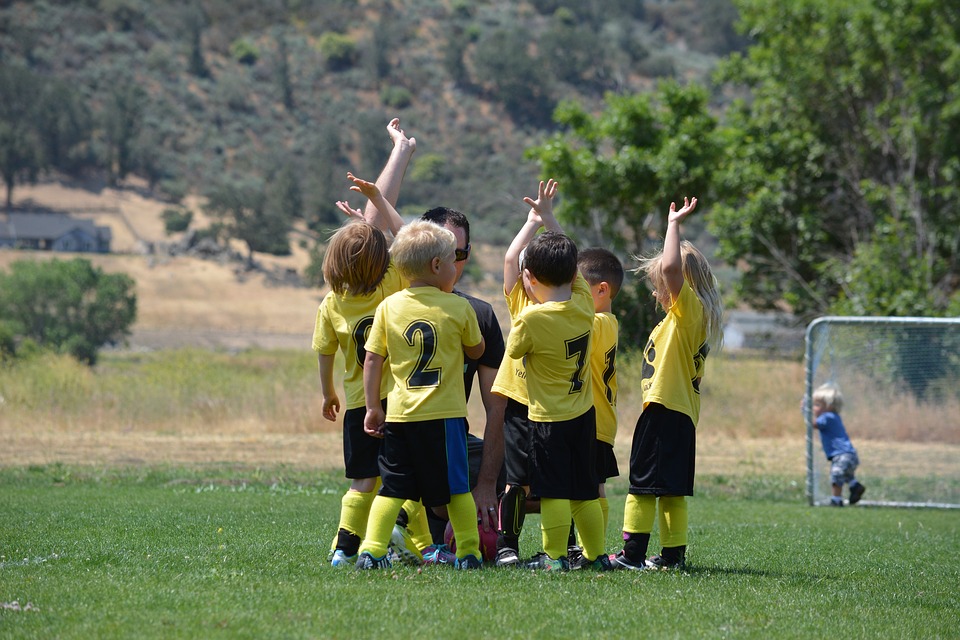
Kids who enjoy sports tend to identify two reasons — that it’s fun and they can make friends, he says. (File photo: Pixabay)
TORONTO — Parents who fear that kids in organized sport spend less time on just-for-fun activities can take heart in a new study by researchers at McMaster University and the University of Toronto.
Not only did the study find those kids embraced free play, it found they generally engaged in more physical activity on their own than those who were not in organized sport.
Lead author John Cairney, a professor at U of T’s Faculty of Kinesiology and Physical Education, says the findings debunk commonly held fears that structured sport comes at the expense of free play.
He suspects that’s because children who are naturally inclined to enjoy organized sport are simply active kids.
But he says it could also be because organized sport teaches the fundamental motor, psychological and social skills that kids need for unsupervised activities such as a pickup game of basketball or playing tag after school.
The study followed 2,278 children from Grades 4 to 8. Researchers also looked at whether age, sex and socio-economic status played a role.
Cairney admits he was surprised by the findings.
“Common sense would perhaps suggest that a child who was maybe really busy with sports, the last thing they want to do is come home and play more sport or more physical activity with their friends but it actually was the opposite.”
The sports involved included dance and martial arts as well as team sports, he says. Researchers did not look at the possible impact of non-sport activities like music class or academic clubs.
Cairney says free play is crucial in giving kids a chance to be creative and learn to relate to each other without the help of adults.
“They’re organizing, they’re leading, they’re interacting socially with other children, they’re practising decision-making, conflict resolution,” he says. “Free play really allows them to practice being an independent adult on their own terms.”
Contrary to what some may think, children do not naturally acquire many of these skills on their own, he adds.
And if they are not confident in their physical ability, they will be less likely to explore and try a wide range of activities.
“Sometimes we think that if we sort of push them out of the house, away from the TV… that they’ll just be active, it’s just what kids do. And what we’ve found is that’s true for some kids, for certain, but for a lot of kids it isn’t and they need that extra support and encouragement,” he says.
“It’s possible that what’s happening here is kids are getting those skills from their experiences in sport and organized play and they’re actually practising and they’re using them, they’re engaging them on their own. And that’s a good thing.”
Still, there are negative experiences in structured sport, Cairney acknowledges.
He encourages parents considering an organized sport for their child to ask questions first: Is the focus on competition, or having fun and making friends? Will they learn skills in a way that’s non-threatening?
Kids who enjoy sports tend to identify two reasons — that it’s fun and they can make friends, he says.
Parents should also let kids gravitate to what they’re interested in, and understand that they may switch interests over time, he says.
The study is available online and will be published in the September edition of Medicine & Science in Sports & Exercise.




















