
Breaking
New guidelines to help parents, MDs better manage kids’ recovery from concussion

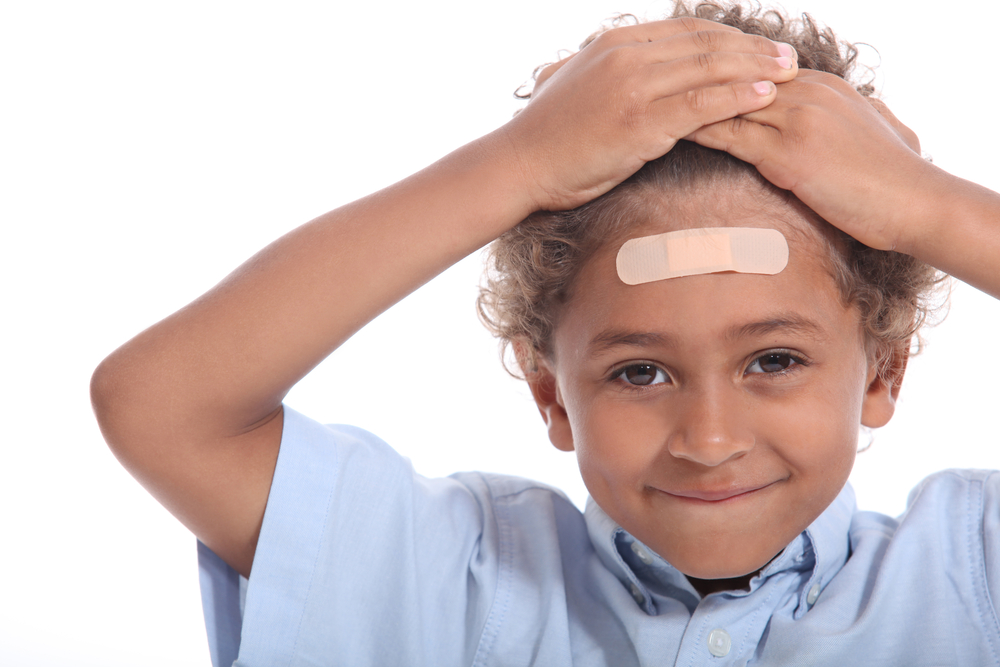
ShutterStock image
TORONTO — A Canadian-led team of researchers has released a comprehensive set of guidelines and online tools aimed at improving diagnosis and treatment of concussions in children and adolescents.
“There have been recommendations and policies on concussion available in the past, but they tend to have focused on sports-related injury and not on children and youth,” said Dr. Roger Zemek, an emergency medicine specialist at the Children’s Hospital of Eastern Ontario (CHEO), who led the team of more than 30 Canadian and U.S. experts that created the guidelines.
“We’ve developed a reliable resource that is valuable for everyone affected by pediatric concussion — from children and their families to health-care providers and to schools and recreational organizations.
This is so important because children get more concussions than adults do, with increased risk because their brains are still developing.”
The pediatric guidelines, initiated by the Ontario Neurotrauma Foundation, are intended to help doctors, parents, schools and community sports organizations to recognize the symptoms of concussion in children aged five to 18, with the goal of better managing their recovery.
Zemek said a survey of more than 800 Ontario health professionals found that while doctors are doing a “fairly good job” of recognizing when a child has experienced a concussion, many are not applying the most up-to-date evidence regarding treatment — namely that patients don’t need only physical rest to recover, but also cognitive rest.
Concussion is a brain injury usually caused by a blow to the head, which can cause dizziness, confusion, memory loss, headache, nausea or vomiting. Depending on the severity of the concussion, symptoms can persist for some time.
Concentration and the ability to remember may be impaired; the person can be irritable, depressed and have marked personality changes; sensitivity to noise and light, along with disturbed sleep, are also common.
“I think people need to know that a child who’s suffering may not look injured to their friends and family,” Zemek said Tuesday from Ottawa. “There’s no bandage, there’s no cast, there are no crutches. However, kids can take weeks to months to recover, and it’s so important to allow that brain to heal.
”
About two-thirds of pediatric concussions are related to sports or recreational activities, while a third result from such causes as falls or motor vehicle accidents, he said.
The guidelines — available online [here and here] — are the result of two years of work, including a review of more than 4,000 research papers.
Interactive tools are geared to different types of users.
For example, a pocket tool can be used by a coach or parent on the sidelines of a sports venue to recognize concussion and find advice on removing a child from play and when to seek emergency medical attention.
The website also provides guidance for emergency room doctors on whether to order CT scans and provides recommendations for managing symptoms for community health providers, with aids for deciding on when a young patient can “return to learn” and “return to play.”
“We thought it was really important to have a one-stop resource for these primary providers and specialists alike which summarizes all the best management in concussion in children and adolescents, and at the same time provide them all the necessary tools to manage patients,” said Zemek, noting that there are plans to create a smartphone app for the guidelines.
Concussions among children and teens are common: about one in every 70 visits to pediatric emergency departments are for suspected concussion, and Zemek said his Ottawa hospital alone sees about 900 cases each year.
Dr. Rebekah Mannix, an assistant professor of pediatrics at Boston Children’s Hospital, called the guidelines “exceedingly clear and comprehensive. I think this will be an indispensable resource for caregivers in a wide range of care settings, and also be accessible for the general public.”




















