News
Gov’t urged to craft policies vs. LGBTI discrimination

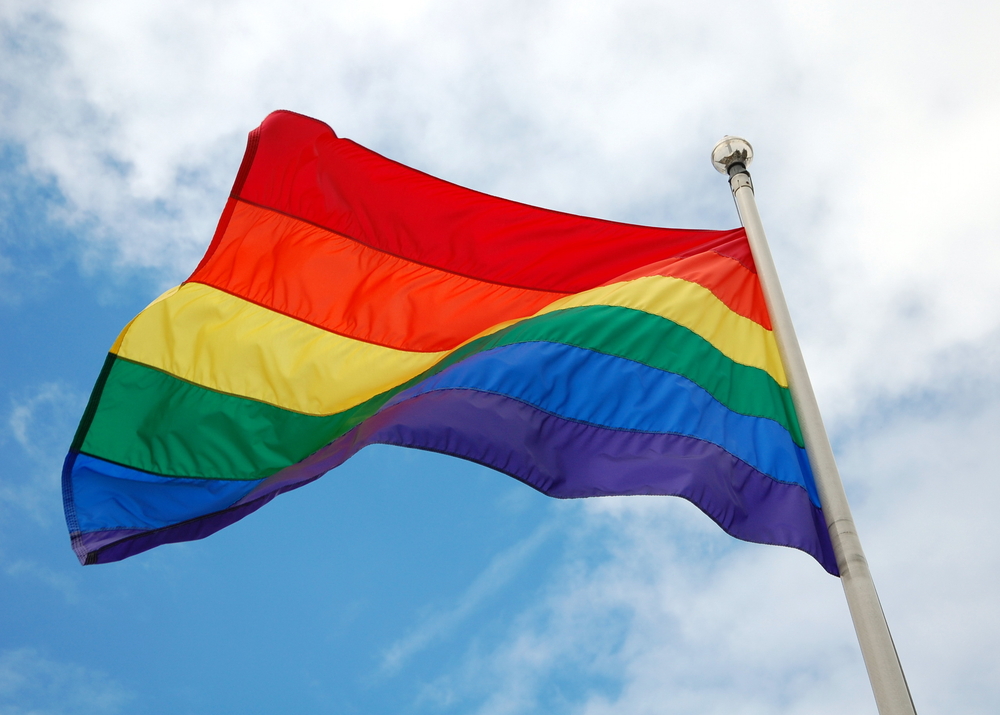
She explained that the LGBTI community is included in the “vulnerable” sectors of the country, given that the world is “at a historical juncture where the dominant consciousness still favors heterosexuality.”(Shutterstock)
MANILA — An expert on gender studies urged the government to promote clear policies on anti-discrimination in the workplace following a United Nations report that showed at least 30 percent of the lesbian, gay, bisexual, transgender and intersex (LGBTI) people in the Philippines have experienced harassment and bullying at work.
Dr. Lourdesita Sobrevega-Chan, Philippine Representative to the Association of Southeast Asian Nations’ Commission on the Promotion and Protection of the Rights of Women and Children (ACWC), said it is the government’s duty to promote and come up with a non-discriminatory policy for all, particularly for the vulnerable sector.
“The policy declaration of the incumbent administration is, this is an administration that is people-centered and inclusive. I think we can take it from there that it will protect the vulnerable and I think the LGBT community on that account,” she told the Philippine News Agency.
She explained that the LGBTI community is included in the “vulnerable” sectors of the country, given that the world is “at a historical juncture where the dominant consciousness still favors heterosexuality.”
Since the emergence of bisexuality and homosexuality as gender identities, Sobrevega-Chan said by itself, people’s mindset on traditional expectations is challenged.
This explains the high level of bullying, she said, as this generates the perceived “negative” view against LGBTI which often leads to a more “problematic” behavior or harassment from others.
“Of course the 30 percent (who reported harassment) is high and it is bothersome. Since it is bothersome then it should be taken as an eye-opener for all the stakeholders, particularly in the government, that we need to pay attention to this,” she pointed out. “We should address this, one in the level of the policy, and second in the level of promoting greater consciousness on how to regard LGBTIs because the fundamental framework there is respect for the human person.”
Give people time
Meanwhile, Sobrevega-Chan underscored that the campaign to attain absolute equality for everyone is a “journey,” since the issue of homosexuality and heterosexuality is not external.
“It’s not like poverty indicators that objectively, may seem easy to address,” she said. “This issue of gender, issue of homosexuality is something seated in the consciousness, such that by the circumstance of our position, we are demanded to act on. While as a matter of legal principle, the law says ‘respect for persons’, ‘equality before the law’ and yet because of the consciousness, questions such as ‘What? Same-sex marriage?’ surface, it cuts into your internal consciousness that marriage is for (man and woman), that’s the point of gender norm.”
“This is the issue of norms. When the norms come into the picture, often the norms are more powerful than laws in trafficking human behavior because the norms are sources of our moral compasses, and we grew up with them so it’s not easy to change,” she added.
When asked to comment on President Rodrigo Duterte’s view on same-sex marriage, Sobrevega-Chan said people should be given time.
“If you would say, like your president is saying ‘I’m tentative to this but I’m committed to people-centered,’ for me, it’s a journey, let’s give people time, it’s not easy, it’s a different nuance,” she said, stressing that the issue stems from the norm.
“It’s coming from a norm, norm is processual so it should be transformed, that’s why we need to be understanding of each other, promote the elements of the norm that may be favorable to people like ‘yes you can’t accept same-sex marriage for now but can you at least respect that people would have some relationship with whom they prefer?” she added.
Harassment, bullying
According to the United Nations report titled “LGBTI People and Employment: Discrimination Based on Sexual Orientation, Gender Identity and Expression, and Sex Characteristics in China, the Philippines and Thailand,” 30 percent of LGBTI people in the Philippines said they experienced harassment or bullying in their workplace.
The study, released on June 26 by the United Nations Development Programme (UNDP) and the International Labour Office (ILO), involved quantitative data from 1,571 respondents and qualitative data from focus group discussions with 151 participants in each country.
According to the report, the top three negative treatments reported were making jokes or slurs about LGBTI persons, sharing rumors about certain LGBTI co-workers, or making critical comments about how LGBTI co-workers dress, behave or speak.
Those who had been subject to discrimination reported feeling “less satisfied with their job and are more likely to consider looking for a new job,” with many LGBTI people feeling the need to hide their sexual orientation, gender identity, expression (SOGIE) or intersex status in the workplace.
It also found out “there is a little recourse to remedy workplace discrimination” experienced by LGBTI people, with only 29 percent of respondents in the Philippines saying a sexual orientation non-discrimination policy exists in their organization.
Similar to Sobrevega-Chan’s call, the study recommended that both the government and the private sector should develop formal policies and dispute resolution mechanisms for equal treatment of LGBTI employees.