
Health
Over-controlling parenting may undermine kids’ emotional ability

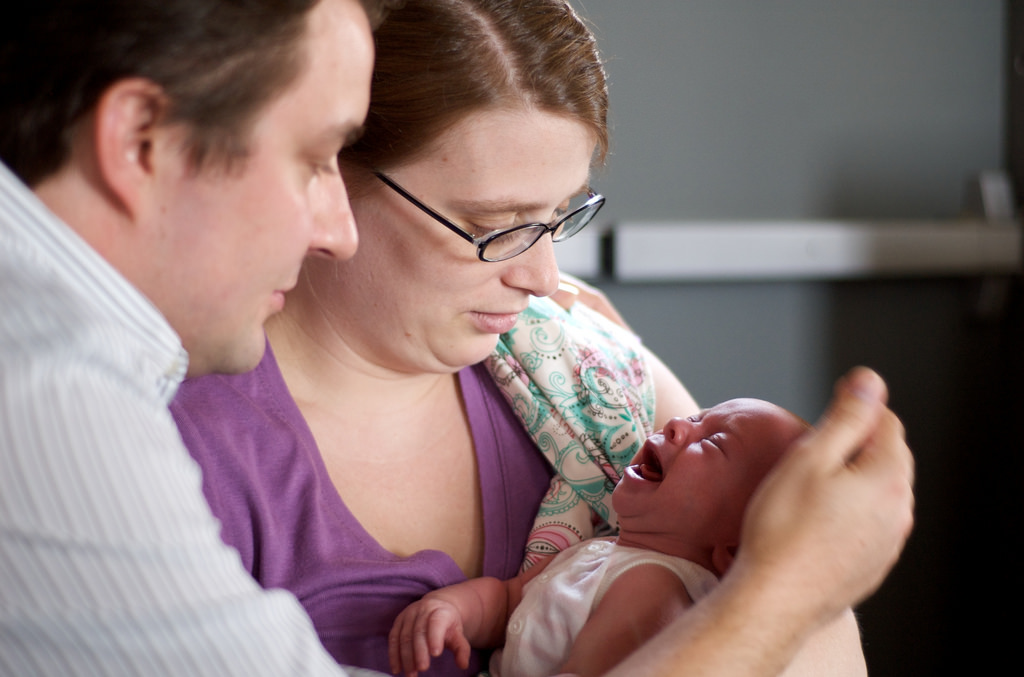
The study found that over-controlling parenting or helicopter parenting can negatively affect a child’s ability to manage his or her emotions and behavior. (Photo by Jason Bachman/Flickr, CC BY-ND 2.0)
WASHINGTON — A study published on Monday by the American Psychological Association’s journal Developmental Psychology showed that children need space to learn and grow on their own, without parents hovering over them.
The study found that over-controlling parenting or helicopter parenting can negatively affect a child’s ability to manage his or her emotions and behavior.
“Our research showed that children with helicopter parents may be less able to deal with the challenging demands of growing up, especially with navigating the complex school environment,” said Nicole B. Perry with the University of Minnesota and lead author of the study.
“Children who cannot regulate their emotions and behavior effectively are more likely to act out in the classroom, to have a harder time making friends and to struggle in school,” said Perry.
Children need parents who are sensitive to their needs. When kids are capable of managing a situation, parents should recognize it but guide them when emotional situations become too challenging.
This helps children develop the ability to handle challenging situations on their own as they grow up, and leads to better mental and physical health, healthier social relationships and academic success, but over-controlling parenting can limits those opportunities, according to the study.
The researchers followed the 422 children over the course of eight years and assessed them at ages 2, 5 and 10.
Data were collected from observations of parent-child interactions, teacher-reported responses and self-reports from the 10-year-olds.
During the observations, the research team asked the parents and children to play as they would at home.
“Helicopter parenting behavior we saw included parents constantly guiding their child by telling him or her what to play with, how to play with a toy, how to clean up after playtime and being too strict or demanding,” said Perry.
“The kids reacted in a variety of ways. Some became defiant, others were apathetic and some showed frustration,” said Perry.
Over-controlling parenting when a child was two was associated with poorer emotional and behavioral regulation at age five, the researchers found.
The greater a child’s emotional regulation at age five, the less likely he or she was to have emotional problems and the more likely he or she was to have better social skills and be more productive in school at age 10, according the study.
Similarly, by age 10, children with better impulse control were less likely to experience emotional and social problems and were more likely to do better in school.
“Children who developed the ability to effectively calm themselves during distressing situations and to conduct themselves appropriately had an easier time adjusting to the increasingly difficult demands of preadolescent school environments,” said Perry.
Perry suggested that parents can help their children learn to control their emotions and behavior by talking with them about how to understand their feelings and by explaining what behaviors may result from feeling certain emotions, as well as the consequences of different responses.
Then parents can help their children identify positive coping strategies, like deep breathing, listening to music, coloring or retreating to a quiet space.
“Parents can also set good examples for their children by using positive coping strategies to manage their own emotions and behavior when upset,” said Perry.




















