Canada News
Ban solitary confinement for mentally ill, Indigenous inmates: rights groups

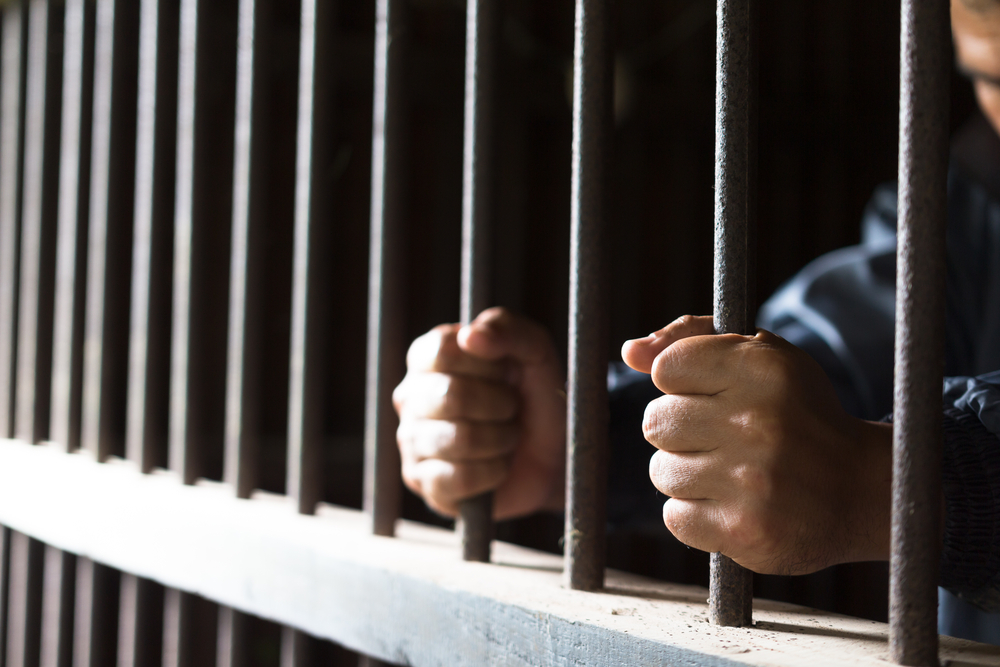
Three civil rights organizations joined forces Monday to voice their concern over the ongoing use of indefinite solitary confinement for prison inmates — a practice they say is akin to torture and a violation of human rights. (Shutterstock)
OTTAWA — Three civil rights organizations joined forces Monday to voice their concern over the ongoing use of indefinite solitary confinement for prison inmates — a practice they say is akin to torture and a violation of human rights.
The Canadian Civil Liberties Association, the John Howard Society and the B.C. Civil Liberties Association are calling for a hard 15-day cap to be placed on the use of solitary confinement — or ‘administrative segregation,’ as it is officially known. The groups also want to see a full ban on segregation of inmates who are mentally ill and for Indigenous offenders.
They are highly critical of the federal government for mounting an appeal against a British Columbia Supreme Court ruling in January that struck down Canada’s law on indefinite solitary confinement.
“We are here to expose the truth, and the truth is that the government of Canada is fighting in the courts for the right to put mentally ill and Indigenous people in a torture box,” said Michael Bryant, executive director of the Canadian Civil Liberties Association.
The Trudeau government promised to restrict long-term solitary confinement for federal inmates following the inquest into the death of teenager Ashley Smith, who died by self-strangulation after spending more than 1,000 days in segregation.
The Liberal government introduced Bill C-56 last year to phase in a cap on the number of days an inmate can be held in solitary confinement, starting at 21 days and eventually moving to 15. But such caps would only apply to cases of disciplinary segregation, not for administrative segregation, which involve different processes, Bryant said.
Meanwhile, both the B.C. Supreme Court and the Ontario Superior Court have delivered decisions saying administrative solitary confinement is inhumane and, in the Ontario decision, unconstitutional if longer than five days.
Public Safety Minister Ralph Goodale’s office has said an appeal is necessary to examine the two court decisions, as they come to some differing conclusions.
“While these matters remain before the court, we are reviewing all recent court judgments; we will identify any further and better ideas that need to be incorporated in our reform package. But we have been proactive from the beginning and our work is already well advanced,” Goodale has said.
But Catherine Latimer of the John Howard Society said legal delays are leaving prisoners vulnerable.
“This is not a legal game. Delays in implementing the needed reforms result in more, and often irreparable, harm to individuals. The federal government needs to put in place an administrative segregation regime that respects the charter now.”
Lawrence DaSilva served 19 years in federal jail for carjacking and kidnapping a Bay Street lawyer. He spent over 2,500 days in solitary confinement during his prison term, including one stretch that lasted 587 consecutive days.
He says he now suffers from post-traumatic stress disorder as a result of the psychological harm caused by spending so much time alone in a prison cell.
Decisions on when someone is placed into administrative segregation and how long they stay are made without due process and without the opportunity for inmates to have legal counsel to make representations, DaSilva said.
“The helplessness that you feel based on why you’re there, regardless of whether you have mental illness or not, these situations can rapidly develop,” he said.
“Your rights are illusory. You do not have them. You’re just stuck.”