Lifestyle
Lack of racial diversity in medical textbooks could mean inequity in care: study

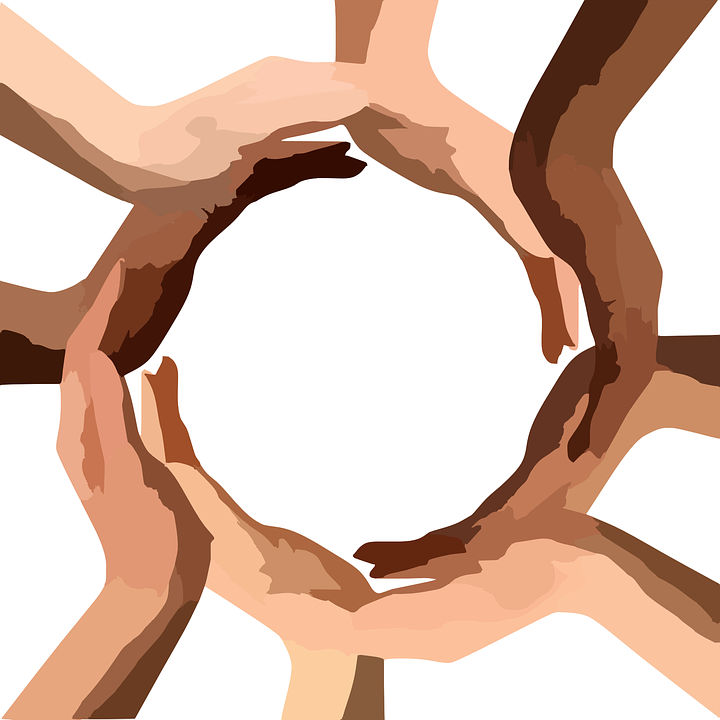
She conclusded in an honours thesis that racial diversity was being ignored (Pixabay photo)
VANCOUVER — Sitting in a doctor’s waiting room in Vancouver, Patricia Louie saw posters that only featured white and light skin-toned people depicted as patients. She wondered if medical textbooks would also reflect what she considered to be a biased portrayal of Canada’s diverse population.
The experience in 2012 led the sociology student who was studying at the University of British Columbia at the time to analyze faces in four textbooks widely used in North American medical schools. She concluded in an honours thesis that racial diversity was being ignored.
Most images in medical books are of legs, arms and chests, showing only skin tone, not race, so Louie broadened her research as a master’s student at the University of Toronto and focused on skin tone in over 4,000 images in later versions of the same textbooks.
The study by Louie and co-author Rima Wilkes, a sociology professor at the University of British Columbia, found the proportion of dark skin tones represented was very small in images featured in “Atlas of Human Anatomy,” “Bates’ Guide to Physical Examinations and History Taking,” “Clinically Oriented Anatomy” and “Gray’s Anatomy for Students.”
“Atlas” had fewer than one per cent of photos featuring dark skin, while the highest amount — five per cent — was included in “Gray’s,” the researchers say in the study, published in the journal Social Science and Medicine.
Imagery of six common cancers for people of colour or dark skin tone hardly exist in the textbooks, says the study, which suggests unequal health care could result.
“Although we can’t make any causal statements, I think it’s fair to say that the material in textbooks may influence how doctors think about who a patient is and that the under-representation of dark skin-toned people may contribute to inequities in treatment,” said Louis, who is of Caucasian and Asian heritage.
She said mortality rates for some cancers, including breast, cervical, lung, colon and skin, are higher on average for black people, who are often diagnosed at later stages of the disease.
The study draws on research that says 52 per cent of black people receive an initial diagnosis of an advanced stage of skin cancer compared with 16 per cent of white people.
“The research shows that even though blacks are less likely to get skin cancer than whites, they’re more likely to die when diagnosed,” Louis said.
Skin cancer would require doctors to look for melanomas on nails, hands and feet, but none of the textbooks included images of what that would look like in dark-skinned patients, raising questions about whether physicians are adequately trained to treat people of diverse races, she said.
“I would like publishers of medical textbooks to include more images of darker-skinned people and also to pay attention to the way diseases are presented on darker skin tones because that is very necessary for equality of care for racial minorities and darker-skinned people in Canada and the U.S.,” said Louie, who is now doing a PhD in racial inequality in health care.
The study cites data from two American studies that suggest race-based inequities pervade the health-care system in the United States, and black dialysis patients are less likely than their white counterparts to be referred to transplant waiting lists.
Dr. Roger Wong, executive associate dean at the University of B.C.’s faculty of medicine, said valuing diversity should mean promoting it in textbooks.
“So updating future editions is the way to go,” he said of the four books related to the study. “I do think it has flagged for these editors and for writers that all of us need to be very mindful, and I do agree there’s work to be done.”
Beyond textbook learning, Wong said case studies presented at the university’s medical school are rigorously vetted to ensure they reflect Canada’s ethnic diversity and real patients who volunteer to interact with students are selected based on similar guidelines.
“With Indigenous patients, traditional medicine is very important,” he said, citing an example of diversity. “We need to respect and understand where that’s coming from and also understand some of the nuances of when we talk about ‘western medicine.”’