
Food
Quebec company touts lean nutrition and ‘unique’ taste of seal meat

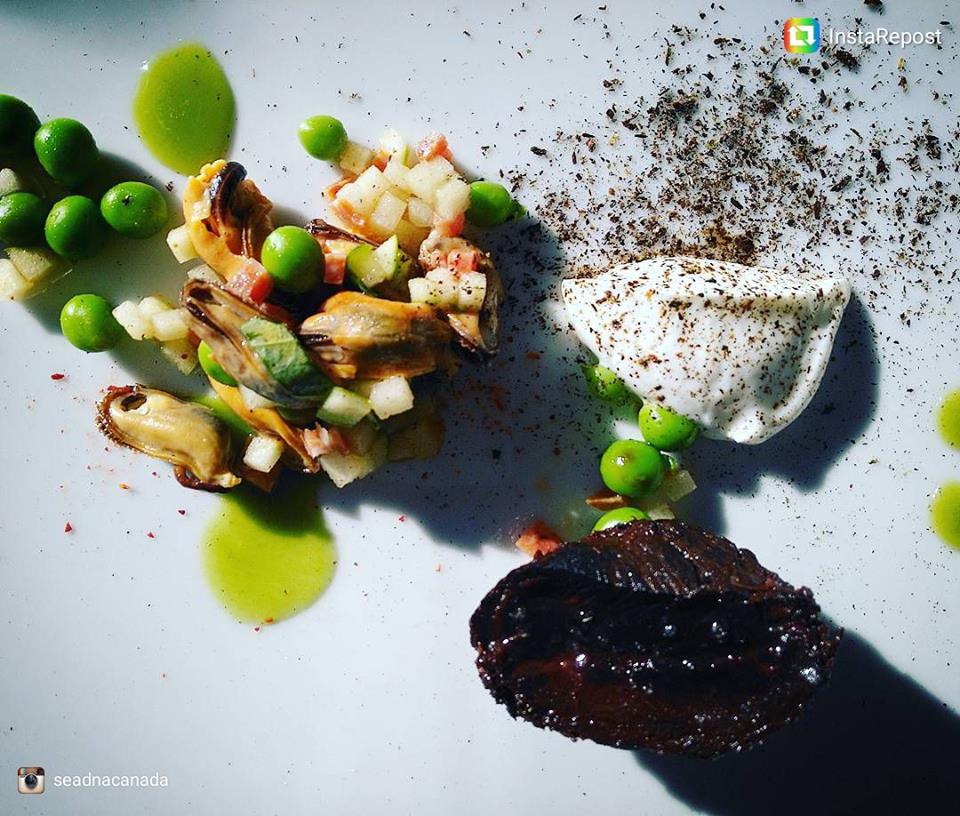
Gilbart’s helping lead a new campaign for Quebec-based supplier SeaDNA touting seal as “the Canadian superfood” with a “unique and inviting taste” similar to beef. (Photo: Seadna/Facebook)
Jonas Gilbart likes his seal steaks rare on the inside with a hard sear on the outside.
“I love the taste and I love the nutritional benefits,” he said of a meat choice that’s still outside the food comfort zone for most Canadians.
Gilbart’s helping lead a new campaign for Quebec-based supplier SeaDNA touting seal as “the Canadian superfood” with a “unique and inviting taste” similar to beef.
“It comes from our backyard, it’s sustainably harvested from our waters and monitored by our government,” Gilbart said from Montreal.
“Everything is on the up, and because of the stigma attached to the industry over the years, it probably doesn’t get the recognition it deserves.”
SeaDNA’s processing sites in Newfoundland and the Magdalen Islands supply flippers and seal cuts across Canada. Several restaurants in Quebec and Atlantic Canada feature seasonal dishes.
A few eateries are featuring seal on the menu year-round, including Caribou Gourmand in Montreal. It offers harp seal tataki, where the meat is briefly seared, sliced thinly and served in a beer reduction with “young sprouts and lichen.”
Cooked seal is often compared to a sort of fishy liver. Gilbart said the milder taste of raw preparations often surprises first-time consumers.
SeaDNA’s campaign says seal meat is leaner than domesticated beef and chicken, and has no added hormones or antibiotics.
The company’s products were used in a menu item that stirred controversy last month when Toronto restaurant Kukum Kitchen offered seal tartare.
An online petition attacking the commercial seal hunt was met with a counter petition defending Indigenous traditions.
The restaurant’s Aboriginal chef, Joseph Shawana, said he spent months doing research and chose an ethical supplier.
Reaction in support of Kukum Kitchen is a sign of shifting awareness, Gilbart said.
“Canadians are more knowledgeable about the truth of the industry. This is a regulated hunt like anything else.”
Some critics of animal welfare tactics say an unfair focus on photogenic seals diverts attention from more cruel and more common practices in raising chicken and pork for consumption.
Still, celebrities such as Paul McCartney have campaigned to end Canada’s commercial seal hunt, while imports of seal products are banned in the U.S. and Europe.
Sheryl Fink, a spokeswoman for the International Fund for Animal Welfare, said SeaDNA’s campaign is just the latest bid over the last 30 years to commercially market meat that is typically wasted.
“It’s a hunt for fur,” she said in an interview. “The markets for meat just haven’t taken off and it hasn’t been for a lack of trying. I think it’s just a lack of demand and a lack of interest.”
Fink said seal flipper pie and other dishes are more popular with older generations, but Newfoundlanders often tell her their ancestors ate seal out of necessity. The arrival of seals in spring historically helped many isolated outports through the “hungry month of March.” Going out on dangerous hunts also offered a rare chance to earn hard cash instead of credit.
Newfoundlanders still fiercely defend sealing as an economic driver, especially in remote areas.
But Fink is among critics who question government support for an industry in decline. She notes that just 4,460 commercial sealing licences were issued in Newfoundland and Labrador this year, down from 13,289 in 2003. Ecotourism and other ventures could benefit from those public resources, she said.
“When we’re out in Newfoundland, what people are saying is there are better ways to be supporting rural communities than the seal hunt.”




















