
Canada News
Carney prioritizes Mackenzie Valley Highway, commits federal funding for construction

ASM, Philippine Canadian Inquirer
November 29, 2026
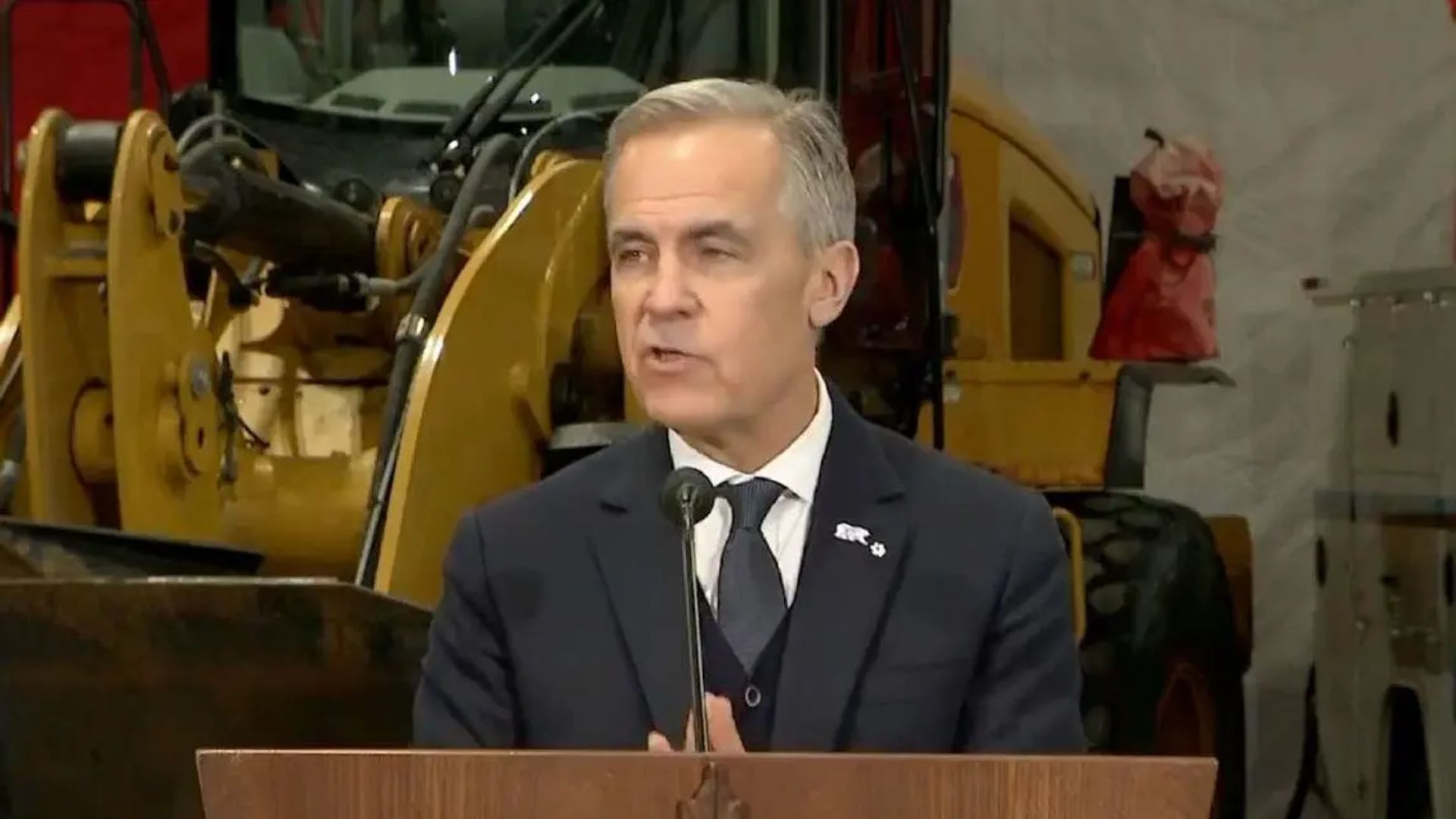
Photo courtesy: Yellowknifer
Canada’s long-planned Mackenzie Valley Highway has received federal priority status, advancing a decades-old proposal to provide year-round road access to remote communities in the Northwest Territories.
Prime Minister Mark Carney announced on November 27 that the highway had been designated a project of national interest under the Building Canada Act, making it the first infrastructure project in Canada’s territories to receive the designation.
The federal government committed to covering the entire cost of construction and certain maintenance expenses through funding proposed in Budget 2026 and investments under the Arctic Infrastructure Fund.
The proposed 800-kilometre, two-lane gravel highway would extend from Wrigley to the Dempster Highway south of Inuvik, passing near Tulita, Norman Wells and Fort Good Hope.
These communities currently depend on seasonal winter roads, river barges and air transportation for essential supplies and travel.
Climate change has made seasonal transportation increasingly unreliable, with low river water levels disrupting barge deliveries.
According to the federal government, the highway would improve transportation access for more than 10,000 people, including approximately 1,900 residents in the Sahtu region who would gain year-round road connectivity for the first time.
Ottawa also estimates that the project could generate 3,000 jobs at the height of construction while creating opportunities in tourism, trade and resource development.
The highway is also expected to support Arctic defence operations by improving transportation links between military facilities in Yellowknife and Inuvik.
First studied in 1958, the project has faced decades of planning challenges, environmental considerations and community concerns.
The territorial government is developing a community readiness strategy with Indigenous governments and local organizations to address potential social and economic impacts associated with the new transportation corridor.
A governance agreement involving the federal and territorial governments, the Gwich’in Tribal Council, Sahtu Secretariat Incorporated and Pehdzéh Kı̨ First Nation establishes a framework for Indigenous participation in the project’s planning and construction.
Despite its national-interest designation, the highway remains subject to environmental assessments and regulatory requirements under the Northwest Territories’ treaty-based review process.
The territorial government anticipates construction could begin in December 2027, provided the necessary assessments and approvals are completed.
Preliminary construction activities involving the Great Bear River Bridge and other previously approved components are targeted for mid-2027, with the federal Major Projects Office aiming to have the highway operational by 2032.