Headline
Duterte’s bloody anti-drug campaign through the lenses of those who witnessed its killings

Floyd Brenz., Philippine Canadian Inquirer
November 27, 2026
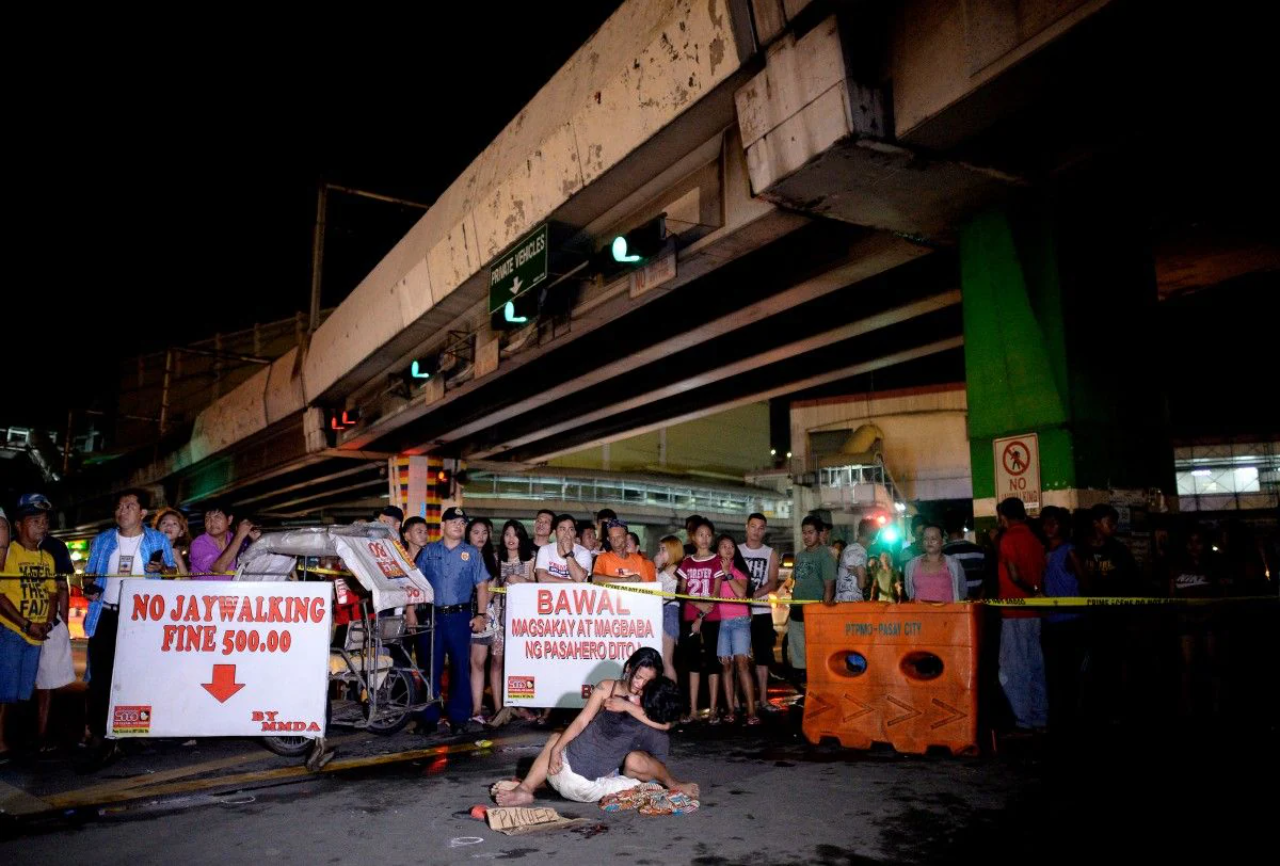
Photo Courtesy: AFP
As former president Rodrigo Duterte prepares to face trial before the International Criminal Court, photojournalists who documented killings during his administration’s anti-drug campaign are reflecting on the risks, trauma and lasting significance of their work.
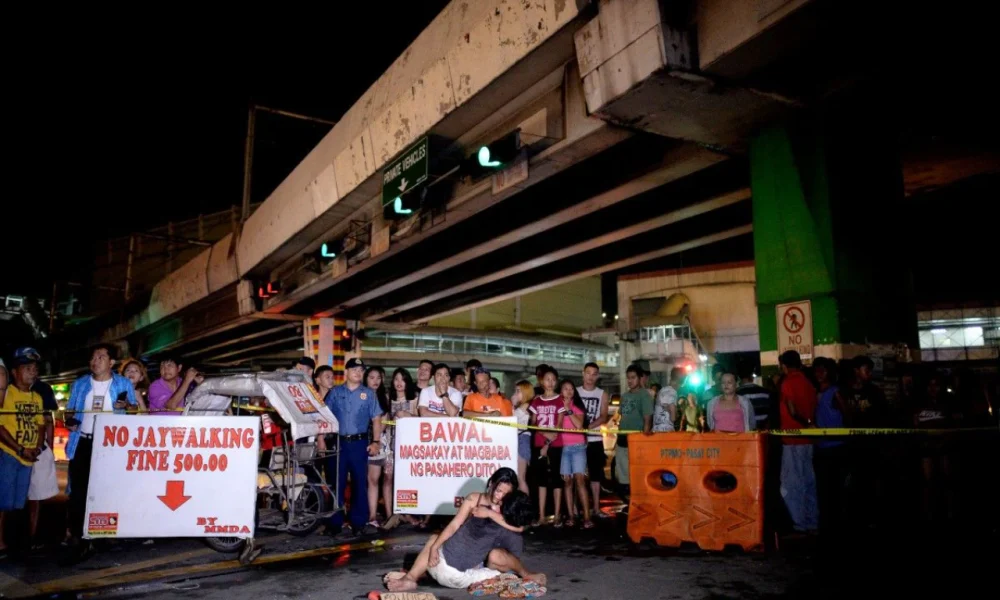
Among them is freelance photographer Noel Celis, who captured around 200 drug war-related killings while working for Agence France-Presse. One of his photographs, showing Jennilyn Olayres cradling the body of her slain partner, Michael Siaron, became one of the most widely recognized images associated with the campaign.
The photograph, taken in Manila in July 2016, drew comparisons to Michelangelo’s sculpture of the Virgin Mary holding the body of Jesus Christ. Siaron had been shot by unidentified gunmen and was found beside a cardboard sign identifying him as a drug pusher.
Celis said the experience of covering the killings continues to affect him. He recalled feeling uneasy whenever motorcycles approach him at traffic lights, bringing back memories of so-called riding-in-tandem attacks and the threats he received because of his work.
Other photographers also described the emotional toll of repeatedly documenting crime scenes. Dondi Tawatao, who covered the campaign for four years, said the killings eventually became so frequent that he developed a mental map of locations where victims had been found. He later left the profession to recover from the psychological strain.
Freelance photographer Kimberly dela Cruz also recalled encountering victims in public places, including railway tracks and a major bridge. She said residents in communities where the killings occurred sometimes viewed journalists with suspicion, fearing they might be connected to law enforcement or intelligence operations.
The photographers also spoke about the guilt they experienced over documenting victims without being able to intervene. Celis recalled attending Siaron’s wake with a colleague to apologize to his grieving family, explaining that the images could later serve as evidence if accountability efforts moved forward.
Their photographs, they said, remain important records of events that unfolded during the anti-drug campaign, particularly as accounts of the killings continue to be examined.
Duterte is scheduled to face trial at the ICC on November 30 over allegations of crimes against humanity involving murder. The case covers killings allegedly committed between 2011 and 2019, including incidents during his time as Davao City mayor and as president.
For the photographers, the images they captured are more than documentation of individual deaths. They represent a visual record of a period that continues to shape discussions about accountability, justice and the families left behind.