
Canada News
Canada sees no change in US military ties despite reported Pentagon restrictions

ASM, Philippine Canadian Inquirer
November 23, 2026
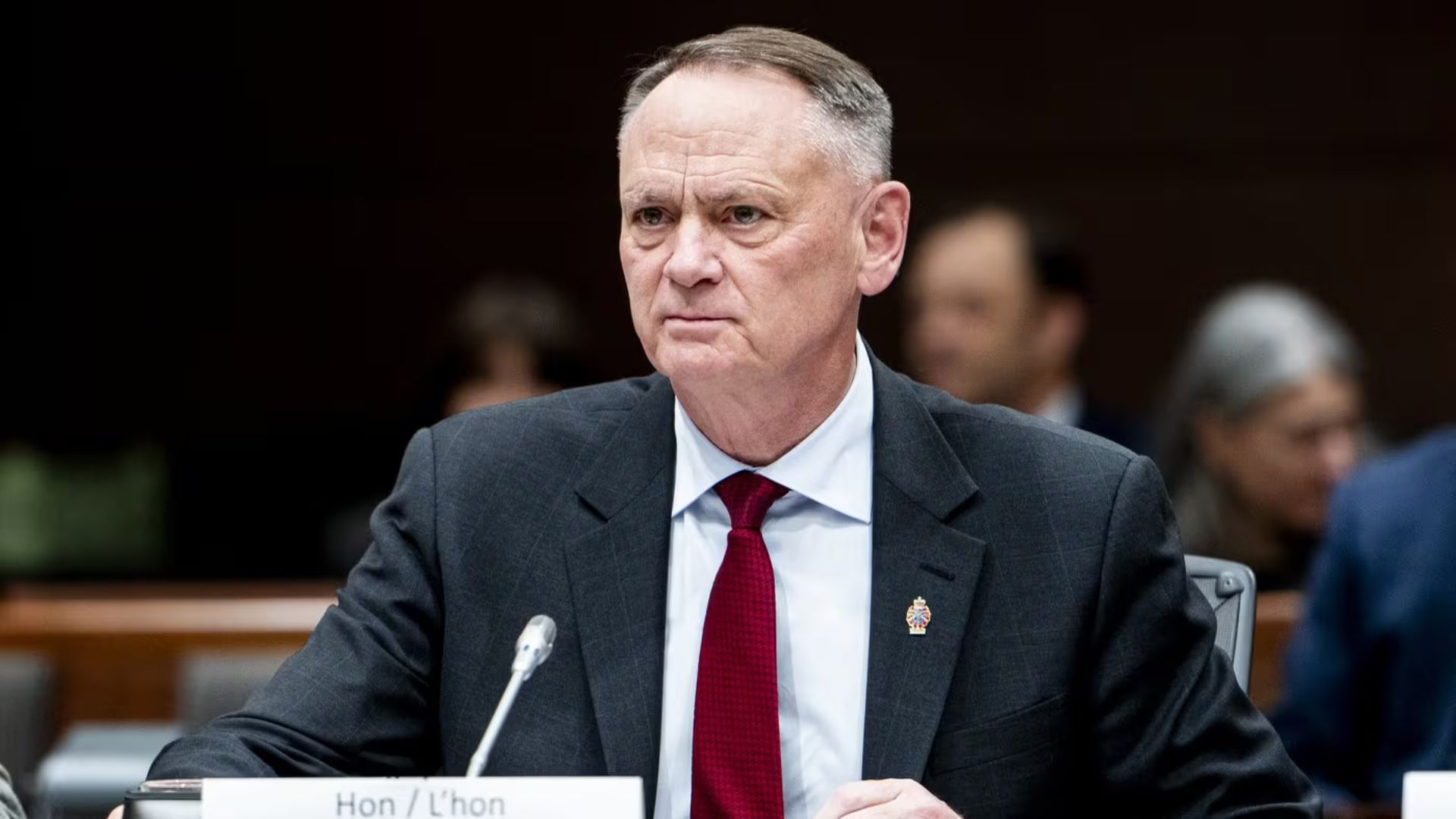
Photo courtesy: CTV News
Canada’s military cooperation with the United States remains unchanged despite reports of a classified Pentagon directive restricting certain defence engagements between the two countries, Defence Minister David McGuinty said.
Speaking during the Halifax International Security Forum, McGuinty said Canadian and American forces continue to work together on joint military operations, intelligence sharing and continental security.
His remarks followed a November 20 report by The Washington Post that US Defense Secretary Pete Hegseth had issued a classified memorandum imposing new restrictions on military cooperation with Canada.
McGuinty said he had not seen the document and was unaware of its specific contents. However, he stressed that neither he nor senior Canadian military officials had observed changes in how the two countries work together.
“I’ve seen no evidence of (a change). I’ve checked with our top military folks, they’ve seen no evidence of change. We continue to cooperate. We continue work together,” McGuinty told reporters on November 21.
The minister pointed to ongoing joint efforts in the Caribbean to intercept illegal drug trafficking, as well as cooperation on missile defence systems and airspace protection across North America.
He also described the relationship between the Canadian and American militaries as continuing without interruption, despite the uncertainty surrounding the reported directive.
Pentagon clarifies scope of restrictions
The reported memorandum raised questions about whether Washington was moving to limit defence cooperation with Canada amid tensions between the two countries over trade, military spending and other bilateral issues.
However, Pentagon spokesperson Sean Parnell said the guidance would not affect defence intelligence cooperation, the North American Aerospace Defense Command (NORAD) or military collaboration through NATO.
Parnell said the US Department of Defense was prioritizing engagements that support American defence objectives, strengthen security across North America and help Canada meet its NATO commitments.
Republican US Senator Mike Rounds also clarified that the restrictions primarily concern participation by American military officials in Canadian think-tank conferences, social engagements and certain meetings.
Speaking at the Halifax forum, Rounds said US defence personnel would need approval for some of these activities, but the directive was not expected to affect military operations or intelligence sharing.
He added that the guidance appeared largely consistent with practices already followed by US defence officials over the previous year and a half.
The clarification helped distinguish restrictions on certain military-to-military engagements from the broader operational partnership between the two countries.
Canada expands defence partnerships
The developments came as Canada continued efforts to strengthen its defence capabilities and expand cooperation with European allies.
McGuinty said the country had begun diversifying its military relationships well before the latest reports of US restrictions emerged.
During the Halifax International Security Forum, Canada announced several initiatives involving NATO partners, defence technology and Arctic security.
Among them was Canada’s participation in the NATO Innovation Fund, with an approximately $100-million contribution intended to support investment in emerging technologies and defence-related startups.
Canada also signed a memorandum of understanding with Germany and Norway to strengthen cooperation in developing, procuring and maintaining naval defence equipment.
The agreement is expected to support the Royal Canadian Navy, improve compatibility with allied forces and create opportunities for Canadian defence industries.
McGuinty also hosted discussions with Germany, Iceland, Denmark and Norway on strengthening maritime security in the North Atlantic and Arctic regions.
The talks included proposals for shared logistical support for maritime and anti-submarine warfare operations, with a potential pilot project in Iceland.
Halifax security forum concludes
The 18th Halifax International Security Forum concluded on November 22 after three days of discussions involving defence officials, lawmakers, military representatives and security experts.
Held from November 20 to 22, the gathering focused on international security challenges, cooperation among democratic countries, emerging technologies and the evolving role of middle powers.
Members of a bipartisan US congressional delegation also attended the forum, where some lawmakers raised concerns about the effect of tensions between Washington and Ottawa on their longstanding security partnership.
Democratic Senator Tim Kaine criticized the tone of the Pentagon directive, while Senator Chris Coons warned against actions that could further strain relations between the two allies.
McGuinty concluded his participation by reaffirming Canada’s commitment to strengthening its own military capabilities while maintaining cooperation with allies.
The forum produced several concrete defence developments, including Canada’s planned NATO Innovation Fund contribution, its naval cooperation agreement with Germany and Norway, and continued discussions on North Atlantic and Arctic security.