Canada News
Quebecor proposes $31-billion takeover of Telus, raising competition concerns in Canada

ASM, Philippine Canadian Inquirer
November 17, 2026
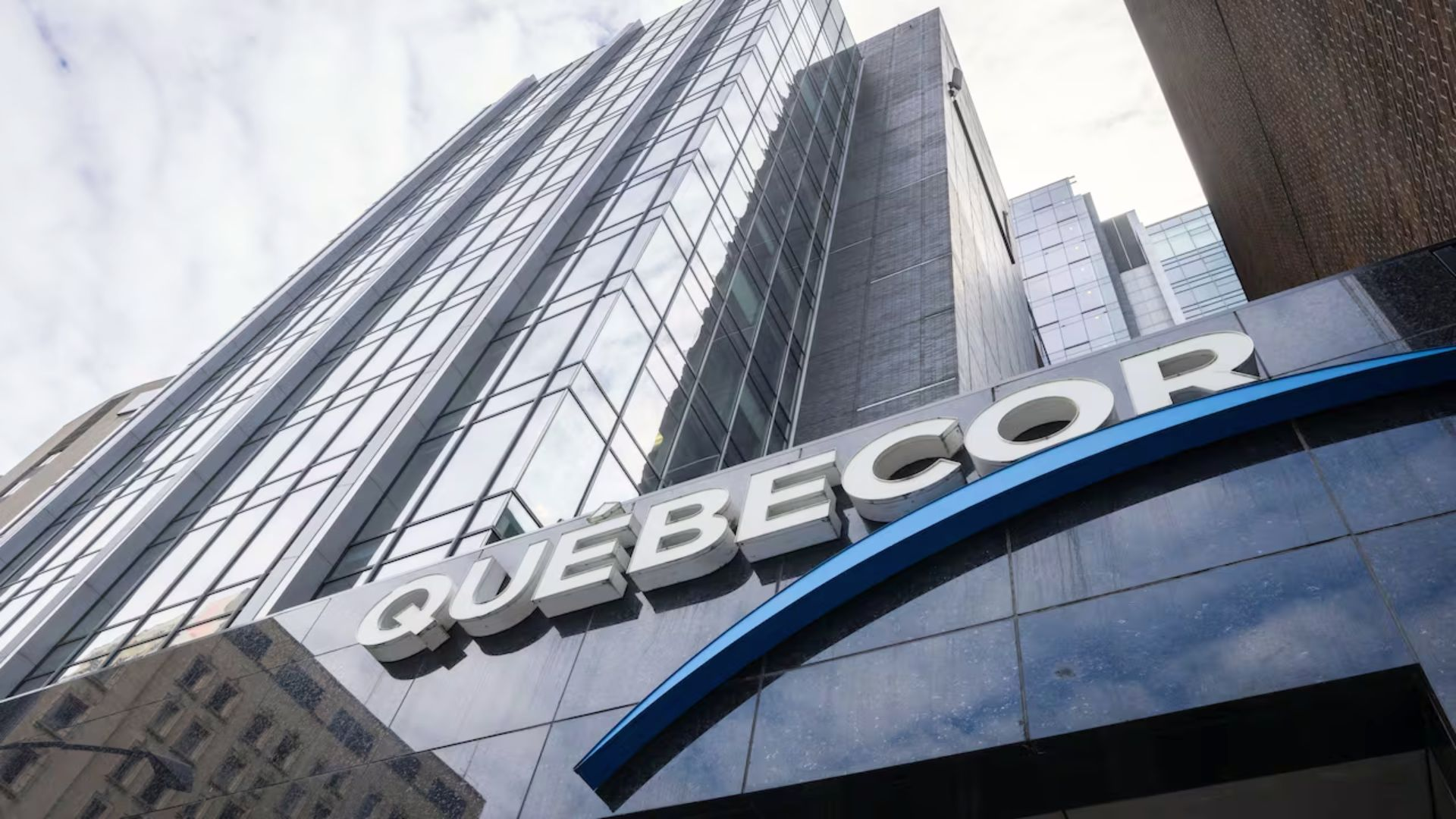
Photo courtesy: CBC News
Canadian telecommunications company Quebecor Inc. has proposed a $31-billion takeover of rival Telus Corp., a potential merger that could reshape Canada’s cellphone industry and face significant regulatory scrutiny over competition and consumer prices.
The Montreal-based company publicly announced its cash-and-stock proposal on November 16, offering Telus shareholders approximately $19.45 per share, a 60% premium over the company’s closing share price on November 13.
Under the proposed agreement, Telus shareholders would receive $6.35 in cash and 0.17 Quebecor Class B shares for each Telus share they own.
The offer values Telus’s equity at approximately C$31 billion, while the estimated total enterprise value, including debt, is about C$61billion.
Quebecor seeks to create a nationwide telecom giant
Quebecor, which operates the Videotron and Freedom Mobile brands, is seeking to combine its telecommunications operations with Telus’s extensive network, particularly in Western Canada.
The company argues that joining the two businesses would create a larger Canadian-controlled telecommunications provider capable of investing in next-generation networks and competing with major domestic and international players.
Quebecor said it first submitted a non-binding proposal to Telus in June before presenting revised terms on November 9.
Under the proposed ownership arrangement, existing Telus shareholders would collectively hold approximately 54% of the combined company’s economic interest.
Quebecor estimates that the merger could generate approximately $160 million in annual operating savings and $235 million in annual capital efficiencies.
The company has also proposed maintaining Telus’s headquarters in Vancouver and preserving its existing brands.
Telus raises concerns about regulatory approval
Telus has confirmed receiving Quebecor’s unsolicited proposal but has not agreed to the acquisition.
Its board of directors has established a special committee of independent directors, supported by financial and legal advisers, to evaluate the offer and consider other strategic options.
Board chair John Manley identified significant concerns about the proposed deal, particularly the difficulty of obtaining regulatory approval under Canada’s existing telecommunications rules.
Telus also raised questions about the proposed ownership and voting structure, financing arrangements, and whether the offer adequately reflects the company’s value.
The company’s board said the proposal does not currently provide a sufficiently clear path toward completion, although it remains open to further discussions with Quebecor.
Federal government signals strict competition review
The proposed takeover could become a major test of Canada’s competition laws because of the potential reduction in the number of major wireless competitors.
Canada’s wireless market is largely served by Rogers, Bell and Telus, alongside Quebecor’s Freedom Mobile and Videotron operations and several regional providers.
A merger between Quebecor and Telus would combine two existing competitors, potentially affecting the choices available to consumers in markets where their services overlap.
Industry Minister Mélanie Joly confirmed that the proposed transaction would undergo independent reviews by the Competition Bureau and the Canadian Radio-television and Telecommunications Commission (CRTC), along with applicable processes under the Telecommunications Act.
These reviews would examine whether the merger could substantially reduce competition or raise other regulatory concerns.
The federal government has not indicated whether it would approve or reject the proposal.
What could the merger mean for cellphone customers?
The proposed acquisition raises questions about whether combining two major telecommunications companies would lead to lower prices, improved network coverage or fewer choices for Canadian customers.
Quebecor argues that a larger company would have greater financial resources to improve wireless infrastructure, expand rural connectivity and invest in 5G technology.
It has also expressed willingness to discuss commitments involving pricing, employment and regional connectivity as part of the regulatory approval process.
However, a merger could also reduce direct competition between Freedom Mobile and Telus, particularly in areas where both companies currently offer wireless services.
Freedom Mobile has played an important role in Canada’s wireless market since Quebecor acquired the carrier in 2023 as part of the Rogers-Shaw transaction.
That earlier acquisition was intended to preserve competition following Rogers Communications’ purchase of Shaw Communications, making Quebecor’s latest proposal particularly significant for federal competition regulators.
Deal faces major hurdles before approval
Beyond competition concerns, the proposed acquisition would require Quebecor and Telus to resolve questions about financing, corporate control and the combined company’s future operations.
Quebecor’s proposal is non-binding, meaning neither company has committed to completing the transaction.
Telus has also questioned the proposed governance structure, under which its shareholders would hold a majority of the economic interest but a minority of the voting power.
The company is examining other strategic alternatives while continuing its existing business plans.
Telus’s board has made no final decision on the offer, and Quebecor has acknowledged that a completed transaction would require a definitive agreement and the necessary regulatory approvals.