Canada News
CBSA plans to demote 63 border officers unable to carry firearms due to medical conditions

Floyd Brenz., Philippine Canadian Inquirer
November 16, 2026
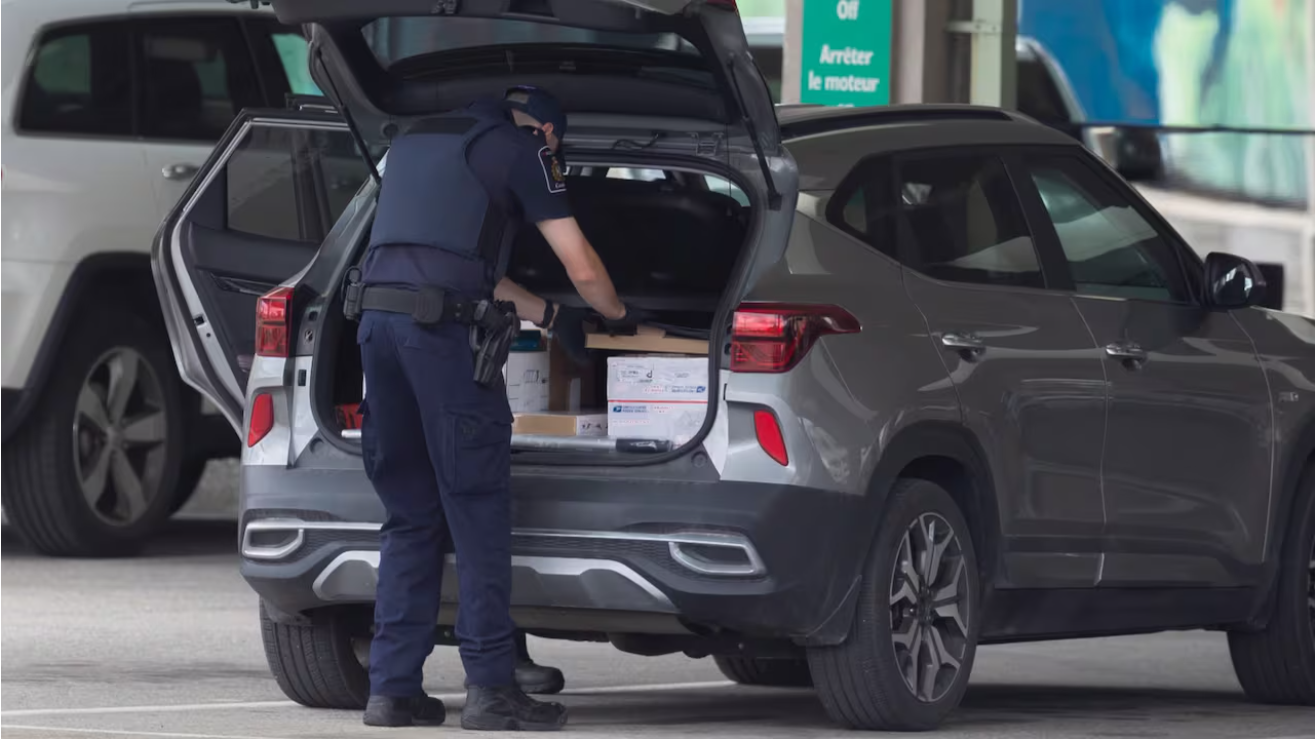
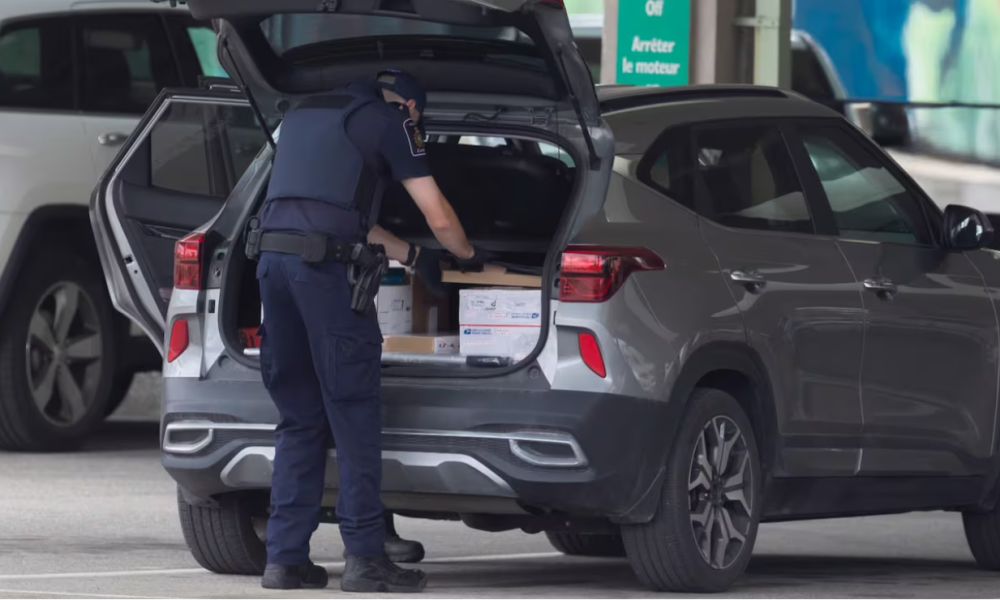
Photo Courtesy: CBC News
Canada’s border agency is facing criticism from its employees’ union after informing 63 officers that they could be reassigned to lower-paying positions because medical conditions prevent them from carrying firearms.
The Canada Border Services Agency (CBSA) said the affected personnel require permanent workplace accommodations and must therefore be transferred to jobs where carrying a firearm is not an essential employment requirement.
The agency maintains that temporary accommodations may be provided to officers who are medically or psychologically unable to carry a sidearm. However, employees who cannot permanently meet the firearm requirement may have to accept positions with lower responsibilities and salaries.
The proposed changes affect 63 officers out of approximately 8,500 CBSA positions requiring employees to be capable of carrying a firearm, representing around 0.7 percent of the workforce in those roles.
The Customs and Immigration Union, however, has challenged the agency’s approach, arguing that many of the affected officers continue to perform their regular duties without needing to use a firearm.
Union president Mark Weber described the planned demotions as discriminatory and unfair, saying experienced personnel should not be penalized for medical conditions or workplace injuries that prevent them from qualifying to carry a weapon.
Some affected employees reportedly developed physical or psychological conditions that make it difficult or impossible for them to pass the agency’s mandatory firearm requalification assessments, conducted every two years.
The dispute raises questions about how the federal agency balances firearm requirements with its legal obligation to accommodate employees with disabilities and medical limitations.
The CBSA maintains that carrying a firearm is an essential requirement for most of its armed border services positions, while the union is calling for alternative arrangements that would allow experienced officers to continue contributing their skills.