Business and Economy
Philippine farm output hits 11-year low as floods and rising costs hurt farmers

Floyd Brenz., Philippine Canadian Inquirer
November 07, 2026
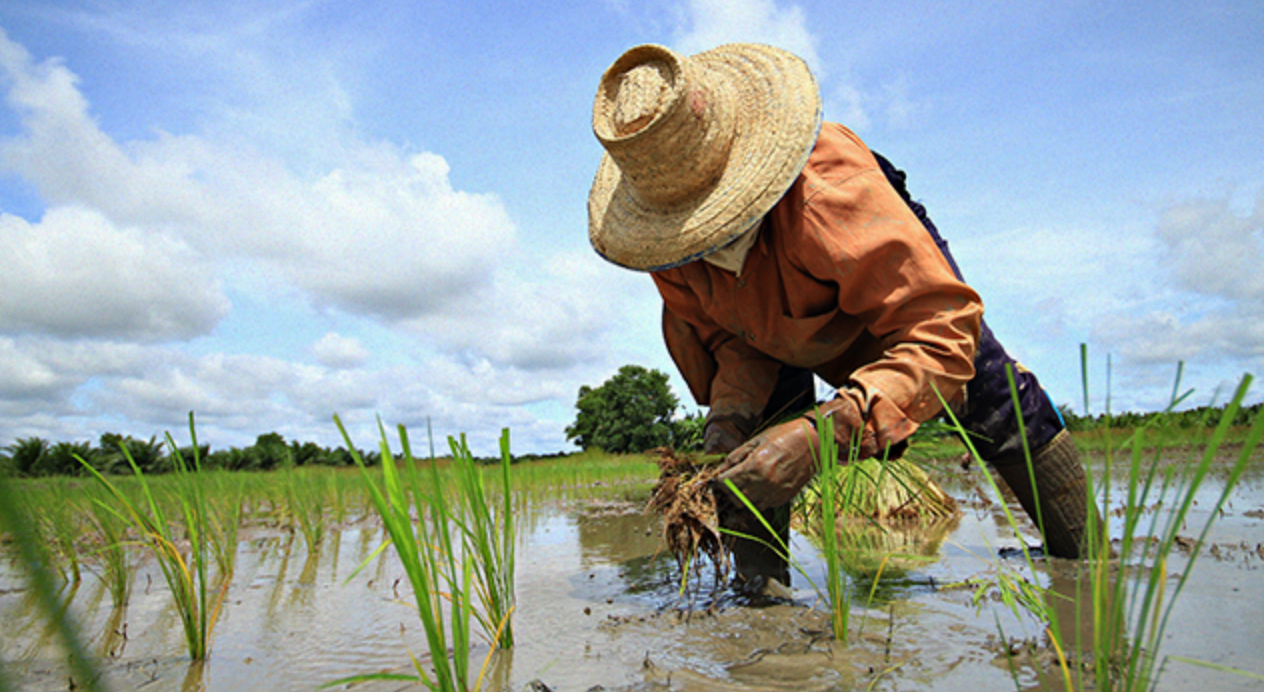
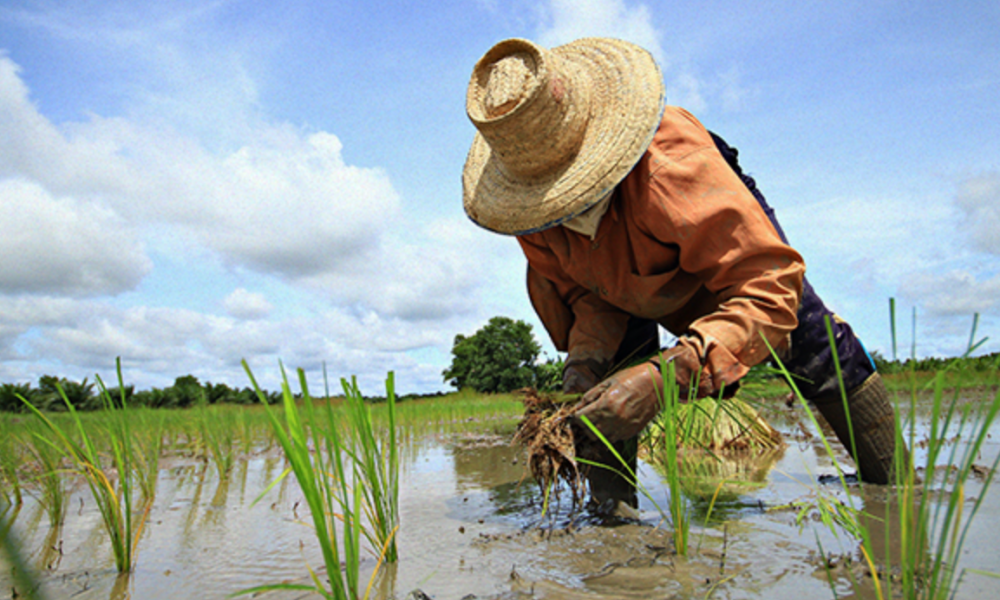
Photo Courtesy: Spot.ph
The Philippines’ agriculture and fisheries sector recorded its weakest third-quarter performance in 11 years, as flooding, unfavorable weather and rising production costs weighed on farmers and fishers.
Data from the Philippine Statistics Authority showed that the value of agricultural and fisheries production fell by 5 percent to P389.42 billion in the third quarter of 2026, down from P410.04 billion during the same period last year, based on constant 2018 prices.
The decline was largely driven by weaker crop and fisheries production, which offset gains in livestock and poultry.
Crop production dropped by 9.3 percent to P197.71 billion, accounting for just over half of the sector’s total output. Palay production value fell by 17.8 percent, while corn declined by 17.4 percent.
The Department of Agriculture attributed the contraction to higher fertilizer and other farm input costs, along with flooding brought by the southwest monsoon or habagat. These conditions affected farmers’ planting decisions and reduced harvests.
Fisheries also posted an 8.5-percent decline in production value, reaching P50.86 billion during the quarter.
In contrast, livestock production grew by 1.1 percent to P61.17 billion, while poultry expanded by 4.9 percent to P79.67 billion, providing some support to the struggling sector.
Agriculture Secretary Francisco Tiu Laurel Jr. said the government has prepared a P62-billion response plan to protect agricultural production and farmers’ livelihoods against the anticipated effects of a potentially severe El Niño.
The program will focus on technology, targeted interventions and coordination among government agencies to reduce the impact of climate-related risks.
The latest figures underscore the challenges facing the country’s food production sector, as farmers contend with costly inputs, extreme weather conditions and the threat of prolonged dry spells in the coming months.