Canada News
Carney’s second federal budget to focus on economic independence, investment and affordability

Floyd Brenz., Philippine Canadian Inquirer
November 05, 2026
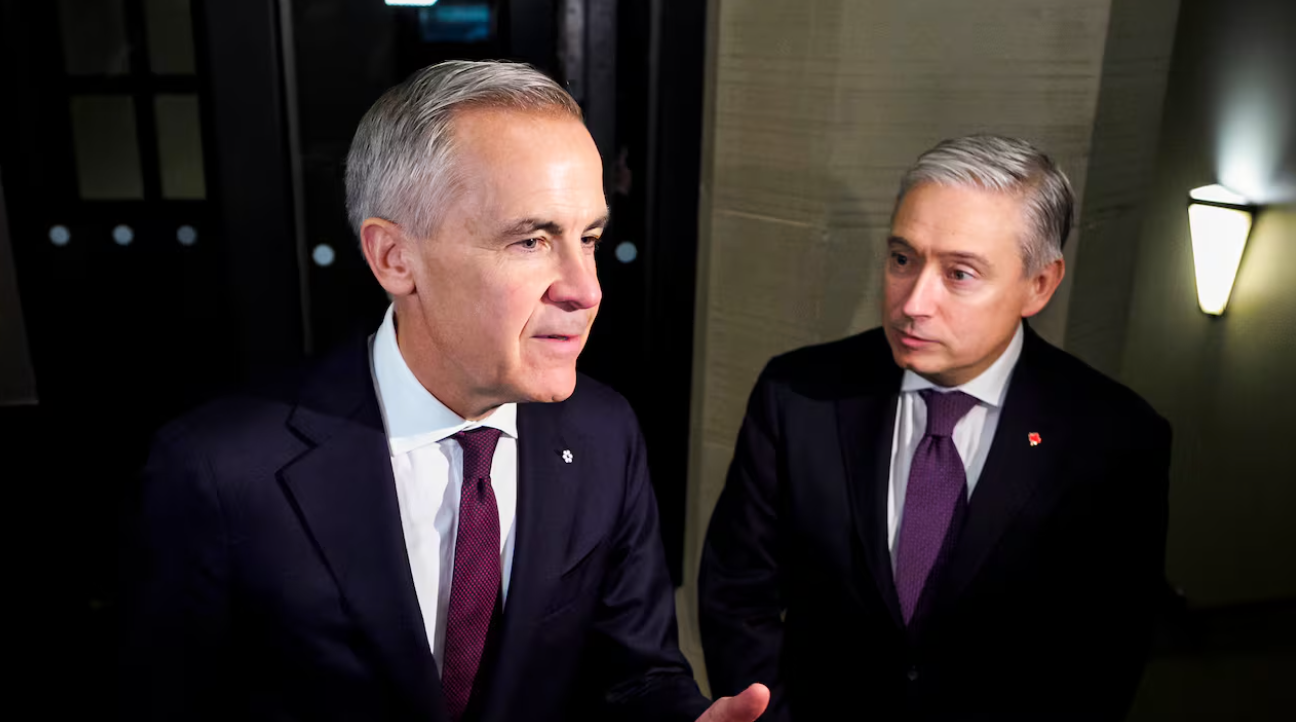
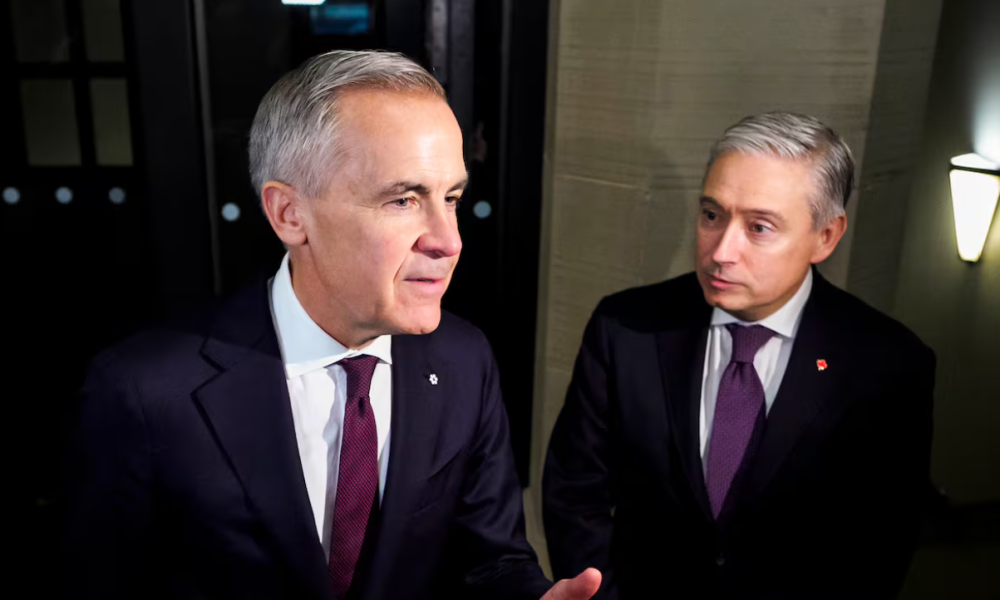
Photo Courtesy: The Canadian Press
Prime Minister Mark Carney’s government is preparing to unveil its second federal budget on Thursday, November 5, with a major focus on strengthening Canada’s economy, attracting private investment and reducing the country’s dependence on the United States.
Titled “Masters of Our Destiny,” the 2026 budget is expected to outline measures covering affordability, infrastructure, business incentives, defence and cultural investments.
Finance Minister François-Philippe Champagne is set to present the fiscal plan in the House of Commons, as the government seeks to reshape Canada’s economic growth model amid ongoing trade tensions and uncertainty in global markets.
One of the administration’s priorities is encouraging businesses to invest and expand within Canada. The government is expected to provide details on its proposed Productivity Mega Deduction, a tax incentive designed to encourage companies to invest in machinery, equipment and other productive assets.
Ottawa is also expected to outline further support for major infrastructure developments, including projects involving energy production, transportation and critical minerals. These investments form part of Carney’s broader effort to strengthen Canada’s economic capacity and create jobs domestically.
The budget is also expected to address the impact of U.S. tariffs on Canadian industries, particularly the automotive and steel sectors. Government officials have indicated that workers and businesses affected by the trade dispute could receive additional support.
However, the government’s spending plans are likely to face scrutiny over the country’s fiscal position.
The Parliamentary Budget Officer projects a federal deficit of $63.3 billion for the 2026-2027 fiscal year, rising to $70.2 billion the following year. The watchdog has also questioned whether Ottawa can meet its commitment to balance the operating budget by 2027-2028.
Carney, meanwhile, has maintained that the government is on track to balance day-to-day operating expenses ahead of its original timetable, while continuing to borrow for long-term investments.
The opposition Conservatives are expected to challenge the Liberals over government spending, debt and the need to control costs. They have called for reductions in what they consider wasteful spending and further action on fuel taxes.
The budget comes at a critical point in Canada-U.S. relations, just days after the American midterm elections and amid renewed discussions between Carney and U.S. President Donald Trump over a possible trade agreement.
Despite the political changes in Washington, Ottawa has said it will continue pursuing negotiations with the Trump administration while diversifying its international trade partnerships.
Beyond the immediate economic pressures, the budget is expected to lay out how Carney intends to make Canada more self-reliant, competitive and resilient in an increasingly uncertain global economy.