Headline
Alberta’s proposed electoral map redraw deepens political rift between UCP and NDP

Floyd Brenz., Philippine Canadian Inquirer
November 04, 2026
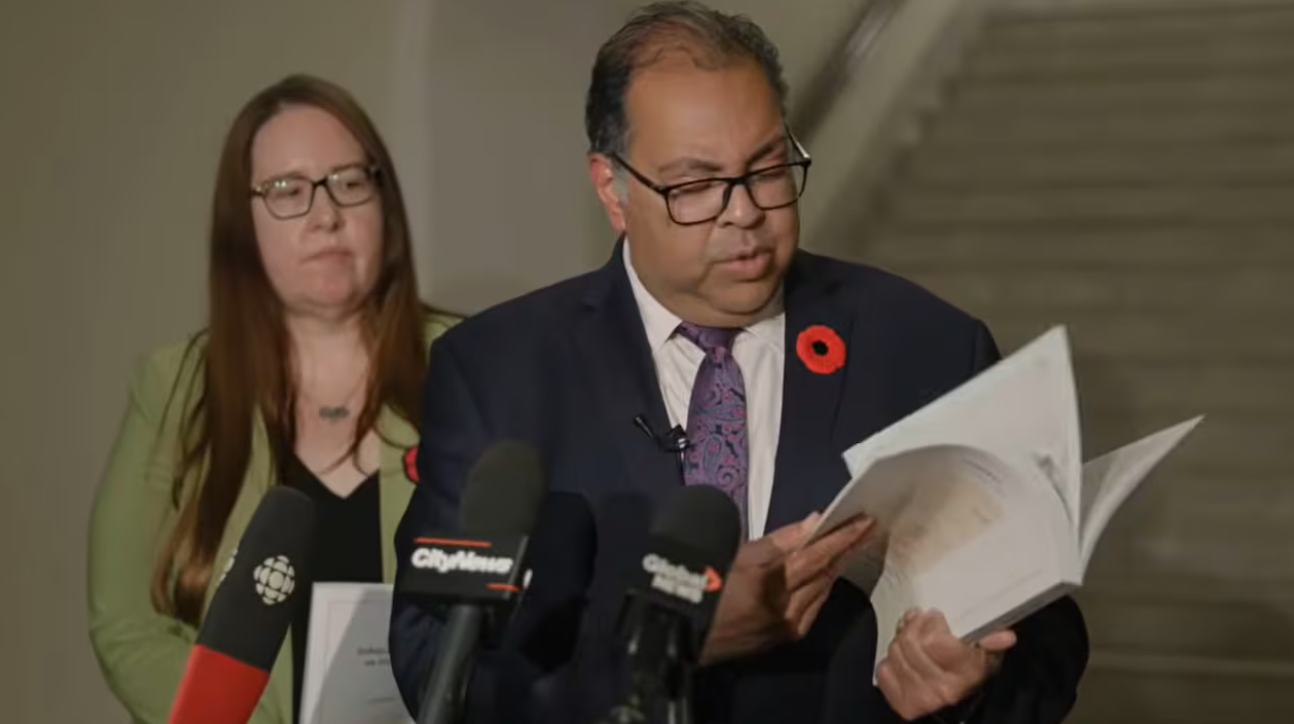
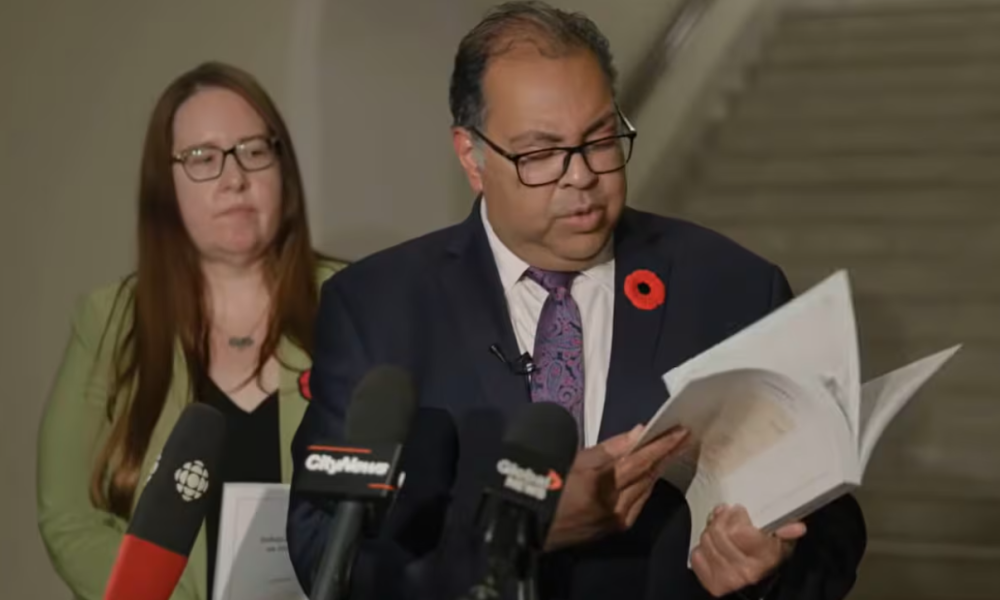
Photo Courtesy: CBC News
Alberta’s latest proposal to redraw provincial electoral boundaries has intensified tensions between Premier Danielle Smith’s United Conservative Party (UCP) government and the Opposition New Democratic Party (NDP), with accusations of political interference threatening to spill into the courts.
At the centre of the dispute are proposed changes in Calgary and Lethbridge that the NDP says could give the governing party an electoral advantage ahead of the 2027 provincial election.
The recommendations were presented by a five-member advisory panel whose majority was backed by UCP-appointed members. The report proposes increasing the number of provincial constituencies from 87 to 91, restoring two rural ridings that were previously slated for removal.
However, the changes also include expanding some Calgary constituencies into neighbouring rural communities and dividing Lethbridge’s two existing ridings into four. Under the proposal, only one Lethbridge riding would remain entirely urban, while the other three would combine parts of the city with surrounding rural areas.
NDP Leader Naheed Nenshi has strongly opposed the recommendations, arguing that the proposed boundaries could dilute the influence of urban voters, particularly in areas where his party is competitive.
He has described the report as illegal and unconstitutional and warned that the NDP would challenge the changes in court if the government adopts them.
The UCP has rejected claims that it is manipulating the electoral map. Smith has defended the use of so-called hybrid ridings, saying communities that share regional interests can benefit from being represented together.
The premier also said her government is prepared to assemble a legal team if the NDP proceeds with a court challenge, although she hopes the matter can be resolved through legislative debate.
The controversy has also raised questions about the independence of the boundary review process. The new panel was formed after Smith’s government rejected the main recommendations of an earlier electoral boundaries commission, which had delivered a divided report.
The latest advisory panel was again split along party lines. Its chair, retired Alberta Court of Appeal justice Brian O’Ferrall, maintained that the recommendations were not unconstitutional and urged lawmakers to assess them on their merits.
The panel’s two NDP-appointed members, however, raised concerns about the proposed changes and their potential partisan implications.
The dispute comes as Alberta’s chief electoral officer, Gordon McClure, warns that there may not be enough time to prepare new electoral maps for the next provincial election, scheduled for October 18, 2027.
McClure has suggested either postponing the election or proceeding with the existing boundaries, citing the time and resources needed to implement a new map. Justice Minister Mickey Amery has rejected the possibility of delaying the vote, saying the government expects Elections Alberta to meet the deadline.
The proposed boundaries are expected to face debate in the legislature, where the UCP holds a majority.
Beyond the number of seats and the shape of individual constituencies, the debate has become a test of public confidence in how electoral boundaries are drawn and whether the process can remain independent of partisan interests.