Headline
Iran’s military supply network kept missile, drone materials flowing despite sanctions

ASM, Philippine Canadian Inquirer
November 01, 2026
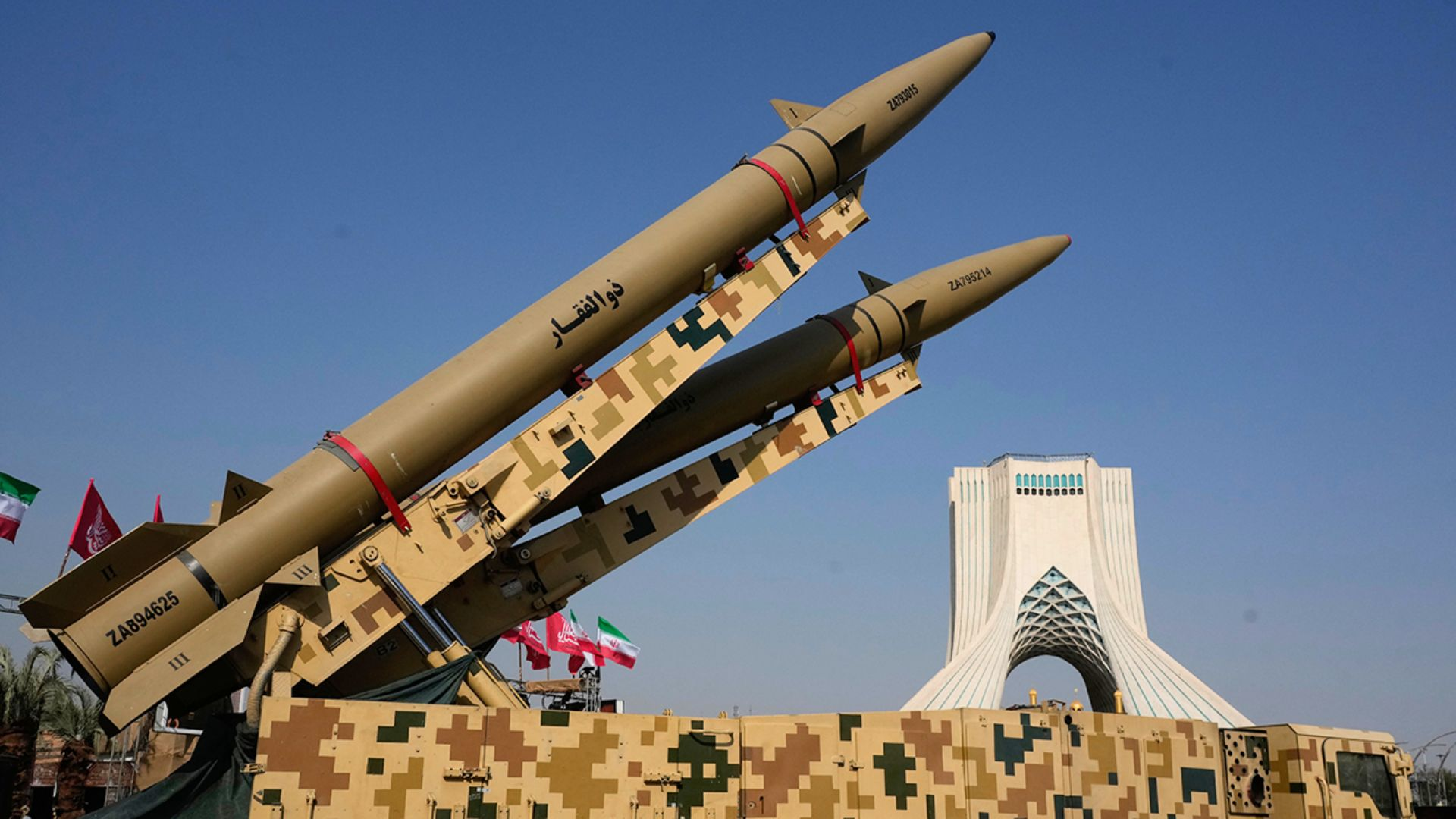
Photo courtesy: SBS News
Iran has continued importing equipment and materials used in missile and drone production through a network of more than 5,000 military-linked agencies, despite Western sanctions and a US naval blockade.
Reports on October 29 revealed that the network had brought at least $2 billion worth of goods into Iran since January 2025, including explosives, rocket propellant ingredients, aircraft components and heavy-duty vehicles.
The shipments have continued during the conflict involving Iran, the United States and Israel, raising questions about how Tehran has maintained access to military supplies despite efforts to disrupt its weapons programs.
According to Reuters, the network operates through agencies identified by names beginning with MOD, short for Ministry of Defense. These agencies share a registered address in Tehran associated with Iran’s Ministry of Defense and Armed Forces Logistics.
Some have ties to the Islamic Revolutionary Guard Corps (IRGC), which plays a central role in the country’s missile and drone operations.
The October 29 report examined Iranian banking records, corporate filings and shipping documents to trace how the agencies purchased and transported equipment through overseas intermediaries.
One agency, identified as MOD 346428, received large shipments of explosives, rocket fuel ingredients and other components between January 2025 and June 2026. The records also identified heavy-duty trucks that could potentially be adapted for military use.
The goods arrived through land, sea and air routes, with shipments recorded as originating from countries including China, Russia and Germany.
However, some of the imported products have both civilian and military applications. The records do not establish that every shipment was used to manufacture weapons or that foreign governments knowingly supplied Iran’s military.
The reported imports come amid Iranian missile and drone strikes targeting energy infrastructure across the Persian Gulf, where attacks have disrupted operations at oil and gas facilities.
While the procurement network may help explain Iran’s continued access to weapons-related materials, the reporting does not directly link individual shipments to specific strikes.
US authorities have separately documented efforts by Iranian military organizations to obtain restricted equipment through foreign intermediaries.
On September 29, the US Treasury Department sanctioned 10 individuals and entities accused of procuring weapons and components for Iran’s Ministry of Defense and Armed Forces Logistics.
The department said the targeted networks supported organizations involved in developing ballistic missiles and unmanned aerial vehicles.
Despite these restrictions, the October 29 findings indicate that substantial quantities of military-related materials continued entering Iran through overseas supply channels.
The extent to which the imports have supported Iran’s weapons production remains difficult to establish independently.