Canada News
Alberta orders Edmonton to roll back zoning rules as infill housing debate intensifies

Floyd Brenz., Philippine Canadian Inquirer
October 09, 2026
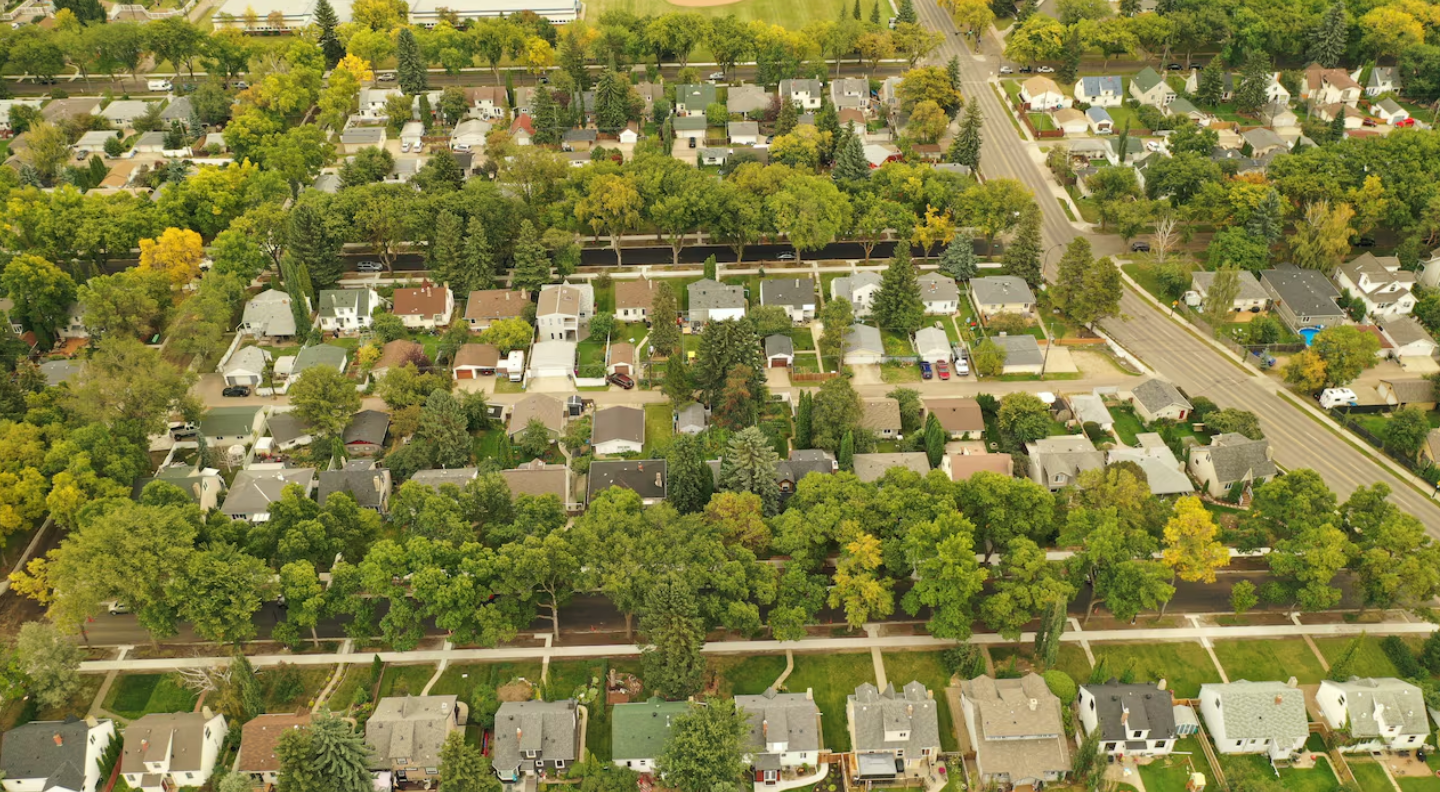
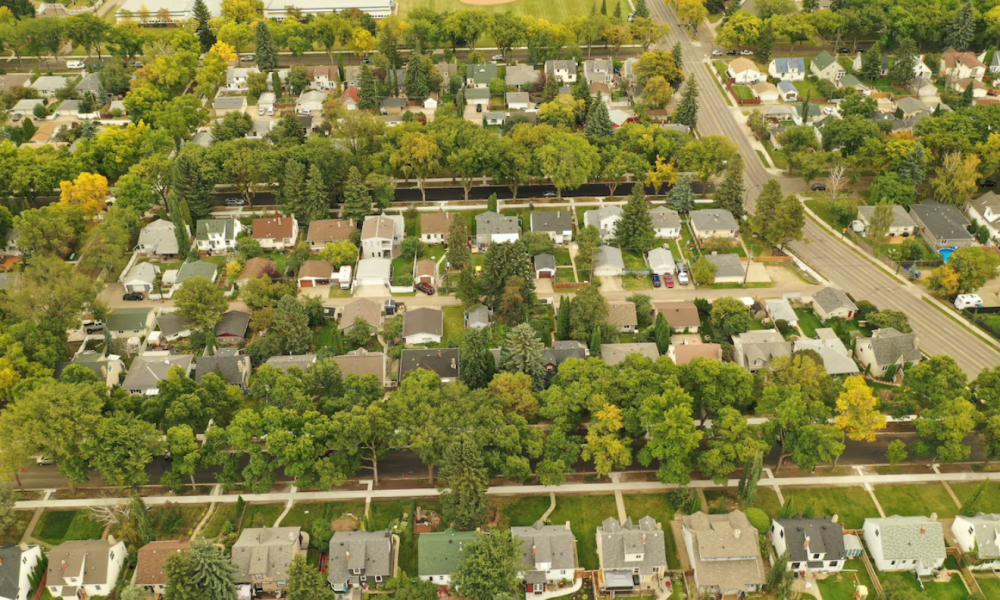
Photo Courtesy: CBC News
The Alberta government is directing Edmonton to reverse key zoning changes that made it easier to build multi-unit housing, setting up a potential clash over affordability, neighbourhood character and the city’s long-term growth.
Premier Danielle Smith announced Thursday that Edmonton must repeal its current zoning bylaw and return to rules in place before 2024. The province is also requiring the city to reinstate minimum on-site parking requirements that existed before 2020.
Edmonton has three months to amend its bylaw, followed by an 18-month review of its broader approach to land-use planning and infill development.
Smith said the intervention responds to residents concerned that new developments are changing established neighbourhoods too quickly. She argued that housing growth must be balanced with community planning and the needs of existing residents.
The directive also affects Calgary, which must retain its pre-2024 zoning framework while continuing a broader land-use review expected to conclude in 2027. The city will also be required to identify areas returning to previous low-density residential zoning.
Mayor warns of higher costs and investment uncertainty
Edmonton Mayor Andrew Knack criticized the provincial directive, arguing that reversing the zoning changes could undermine affordability, increase property taxes and create uncertainty for residents and developers.
Knack said the city needs to accommodate a rapidly growing population without expanding urban sprawl, which requires costly new infrastructure. He maintained that building more homes within existing communities can help manage those costs.
He also urged the provincial government to work with city council rather than impose changes to local development rules.
Alberta Municipal Affairs Minister Dan Williams described the move as a temporary reset, saying the province wants municipalities to adopt a more balanced approach to development. He argued that Edmonton’s recent pace of higher-density construction has moved too quickly for some established communities.
Housing advocates divided over the rollback
The zoning changes have been at the centre of a debate between residents concerned about neighbourhood changes and advocates who say more housing options are needed to preserve affordability.
Edmonton’s revised bylaw simplified the city’s zoning system and allowed multiplexes on residential lots across the city. Supporters say the changes helped increase housing construction and gave more people alternatives to expensive single-family homes.
Critics, however, have raised concerns about the height and scale of new buildings in mature neighbourhoods. Edmonton city council had already adjusted some rules, including reducing permitted heights in certain residential zones and tightening setback requirements.
Jaclyn Soroka, co-founder of Edmonton Neighbourhoods United, welcomed the province’s decision, saying residents want development that is planned responsibly rather than an end to growth altogether.
But Jacob Dawang of Grow Together Edmonton, which supports the zoning changes, warned that restoring the old rules would reduce the number of homes that can be built and make it harder for people who cannot afford detached houses to find housing in established communities.
Experts warn of disruption to development plans
Damian Collins, a University of Alberta housing scholar, said reversing the zoning overhaul could create uncertainty for developers and investors who made decisions based on the existing rules.
He also warned that restoring mandatory parking requirements could increase construction costs and slow down new housing projects.
The provincial government says its interim measures will give Edmonton and Calgary time to develop updated land-use policies. But the dispute highlights the competing pressures facing Alberta’s largest cities: providing more homes for growing populations while addressing concerns over density, infrastructure and the character of established neighbourhoods.