Headline
Singapore overtakes Kuala Lumpur as world’s most polluted major city amid Southeast Asian haze

ASM, Philippine Canadian Inquirer
October 08, 2026
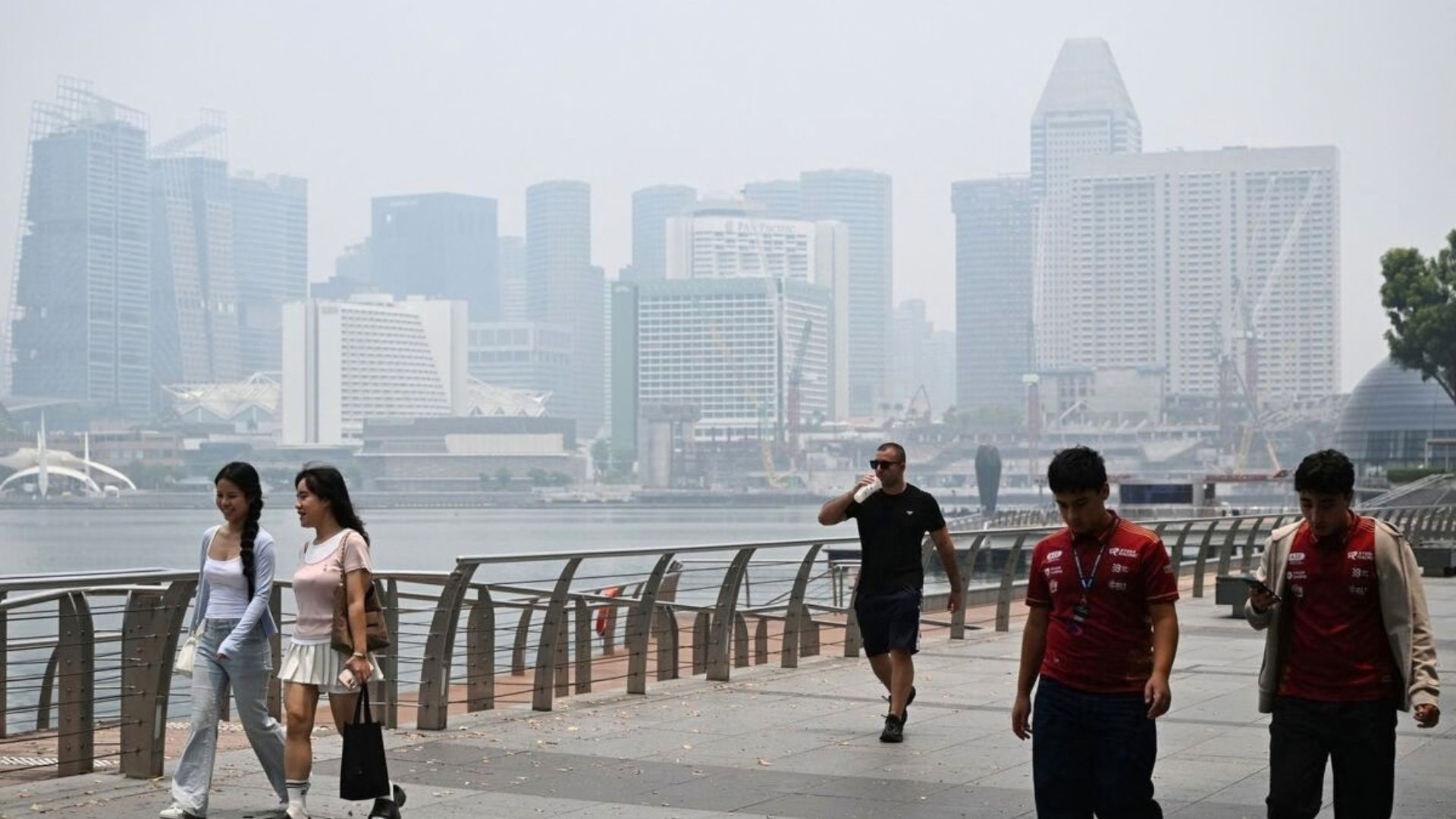
Photo courtesy: Bloomberg
Singapore overtook Kuala Lumpur as the major city with the worst air quality in the world on Wednesday, October 7. The Malaysian capital dropped to second place as haze from wildfires in Indonesia continued to spread across Southeast Asia.
Singapore recorded an Air Quality Index (AQI) reading of 211 on the live World Air Quality Ranking run by Swiss monitor IQAir.
That put it in the “very unhealthy” category, which means the general population faces health risks, not just sensitive groups. Earlier the same day, Singapore had been fifth on the list with a reading of 166.
Kuala Lumpur had led the ranking that morning at 211. By the afternoon, its reading had eased to 194. That placed it in the “unhealthy” range, just below the “very unhealthy” threshold of 200.
The change in rank does not mean conditions in Kuala Lumpur improved significantly. Shifting winds can move haze between cities within hours.
Kuching, the capital of the Malaysian state of Sarawak on Borneo, ranked eighth with a reading of 151.
The haze has disrupted daily life across the region. Malaysia closed schools in the southern state of Johor, and the conditions arrived days before Singapore hosts its annual Formula One weekend.
The pollution comes from fires burning in Sumatra and Kalimantan, the Indonesian part of Borneo. Many of the blazes are linked to land clearing. Hot, dry conditions associated with a strong El Niño have made the fires harder to contain.
Indonesia’s forest fire monitoring service, SiPongi, recorded more than 202,000 hectares burned nationwide from January to June. The Indonesian government said this month that more than 160 people and 95 companies are under investigation over suspected involvement in the fires.
The current haze episode began on August 1. It has affected Brunei, Indonesia, Malaysia, Singapore, Thailand, Vietnam and the Philippines.
The health effects are already showing. Malaysia’s Ministry of Health said asthma cases rose by 259 per cent in the last week of August as air quality worsened.
Smoke from Indonesia’s fire season has drifted into neighbouring countries for years, and it remains a recurring source of tension in the region. The peak period for fires in Indonesia usually runs through October.