Headline
IBON says weak industrial base is leaving young Filipinos without stable jobs

ASM, Philippine Canadian Inquirer
September 25, 2026
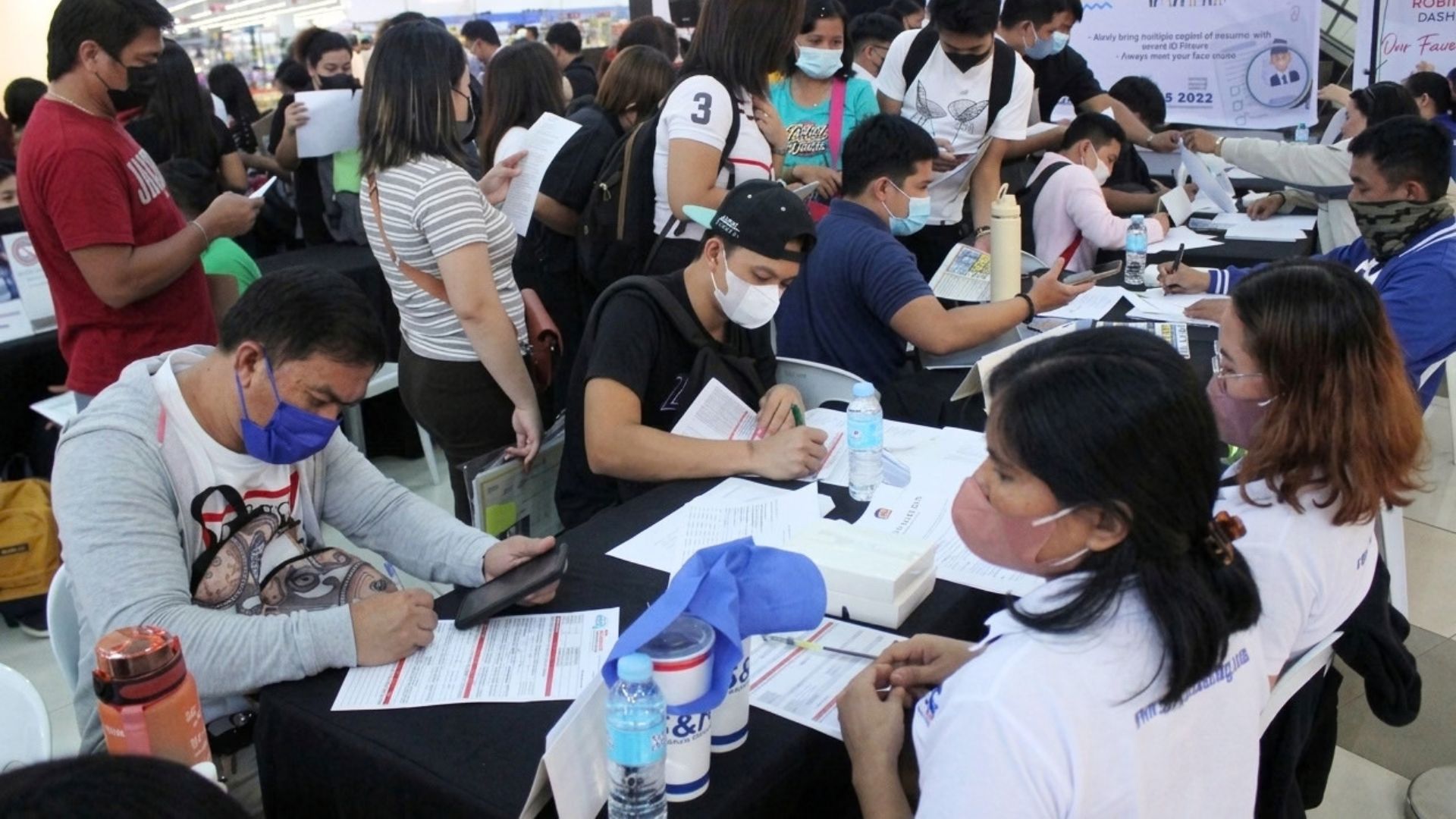
Photo courtesy: Philippine News Agency
MANILA, Philippines — The Philippines needs to create more stable and productive jobs for young Filipinos instead of treating unemployment mainly as a skills or education problem, according to research group IBON Foundation.
IBON made the argument as youth unemployment reached 18.6 percent in July 2026, more than three times the country’s overall unemployment rate of 6 percent.
Official data from the Philippine Statistics Authority showed that the youth labor force participation rate – covering Filipinos aged 15 to 24 – rose to 33.7 percent in July from 29.5 percent a year earlier. The youth employment rate, however, stood at 81.4 percent, equivalent to an unemployment rate of 18.6 percent.
Across the entire labor force, about 3.14 million Filipinos were unemployed in July, while 49.21 million were employed, according to the PSA.
More young Filipinos looking for work
IBON said the number of Filipinos aged 15 to 24 participating in the labor force increased from about 6 million in July 2025 to 7.3 million in July 2026.
Youth employment also increased from 4.9 million to 5.9 million, but the number of unemployed young people rose by about 276,000 to 1.4 million, according to IBON’s analysis of the labor data.
The group also said around 1.3 million unemployed youth were neither in employment, education nor training, or NEET. It estimated that another 2 million NEET youth were outside the labor force, bringing the total to around 3.3 million.
For IBON Research Department head Rosario Guzman, the figures point to an issue that goes beyond the frequently cited mismatch between workers’ skills and available jobs.
“This goes beyond whether young people are acquiring the right skills to whether the economy is creating decent and productive jobs,” Guzman wrote in a Sept. 18 commentary.
IBON points to weak industrial base
Guzman argued that the Philippine economy’s structure limits the opportunities available even as more Filipinos obtain higher levels of education.
“The economy’s weak industrial base limits the creation of stable, productive, and better-paying jobs that can absorb an increasingly educated workforce,” she said.
PSA data show that the services sector accounted for 62.8 percent of employment in July, compared with 19.7 percent for agriculture and 17.5 percent for industry.
Wholesale and retail trade was the biggest employment subsector, accounting for 18.7 percent of employed Filipinos, followed by agriculture and forestry at 17.1 percent and construction at 9.6 percent.
IBON argues that the government should focus not only on preparing workers for jobs demanded by businesses, but also on strengthening the economy’s capacity to generate stable and productive employment.
Higher education debate
The issue comes as the Commission on Higher Education reviews a proposed reframing of the General Education curriculum in colleges and universities.
The draft proposal drew criticism earlier this year over plans to reduce the current 36 General Education units to 18 or 21 units and integrate subjects including ethics, philosophy, arts, literature and Philippine history.
CHED has stressed that the proposed curriculum is not final and remains subject to consultations with higher education institutions, faculty members, students and other stakeholders.
In May, CHED also moved its target rollout to 2028, saying the additional time would allow further study and consultations.
Guzman said the discussion should not place the responsibility for youth employability solely on schools and universities.
She argued that constantly adjusting education to changing global labor requirements would not address the underlying problem if the domestic economy does not create enough quality jobs.
Government expands employment programs
The Department of Labor and Employment has acknowledged the increase in youth unemployment.
DOLE said the youth unemployment rate rose to 18.6 percent in July from 18.1 percent a year earlier and 13.5 percent in June.
The department said it would continue employment programs including the Government Internship Program and the Special Program for Employment of Students, while conducting monthly Trabaho Agad job fairs nationwide beginning in September.
The PSA, meanwhile, reported that the proportion of young Filipinos not in education, employment or training declined to 15.2 percent in July, from 15.9 percent a year earlier.