Canada News
New Brunswick outfitters warn U.S. hunting and fishing ban could hurt rural economy

Floyd Brenz., Philippine Canadian Inquirer
September 24, 2026
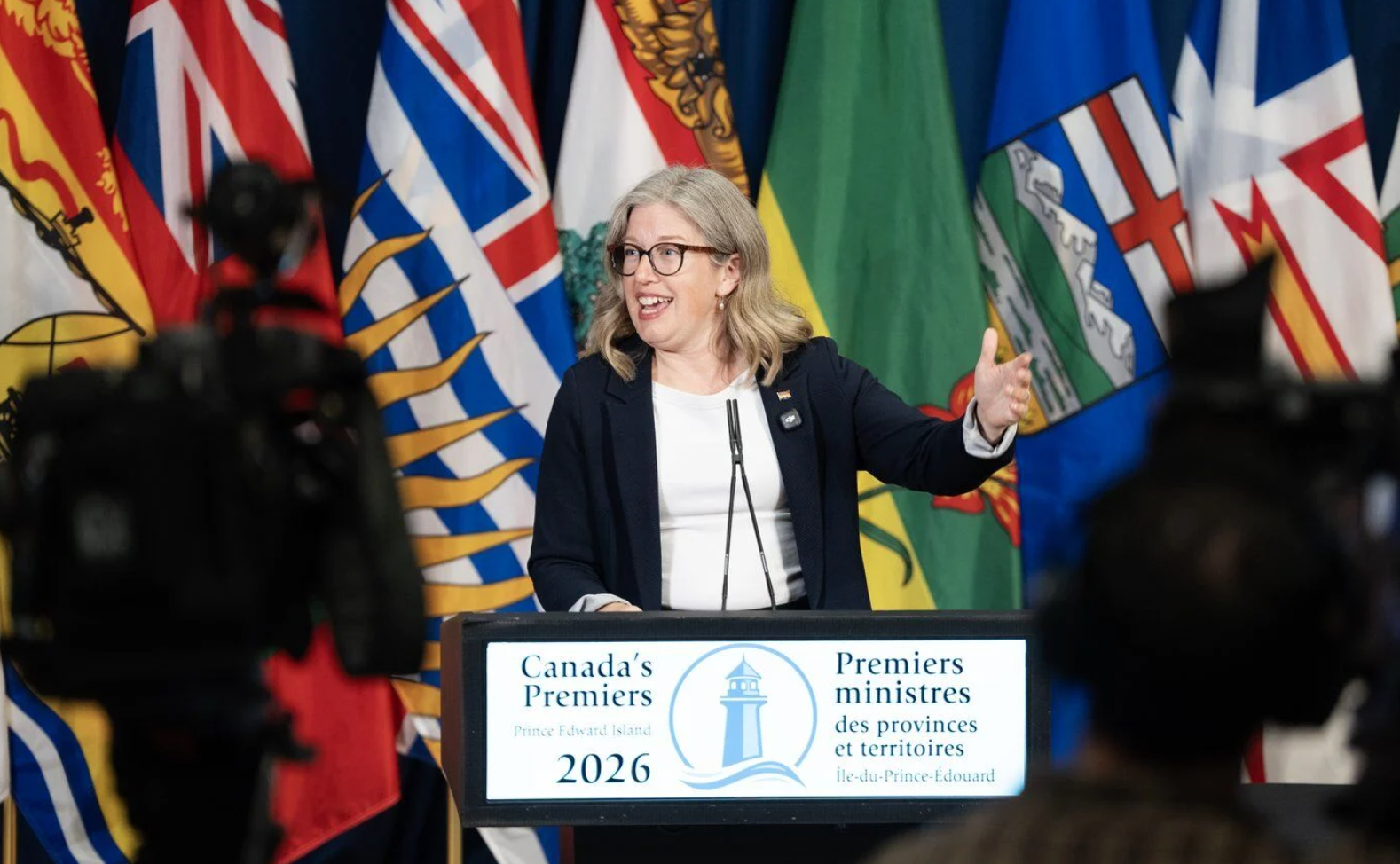
Photo Courtesy: The Canadian Press
New Brunswick outfitters are warning of major economic consequences if the provincial government moves to restrict American hunters and anglers from obtaining hunting and fishing licences as part of its response to U.S. tariffs.
Premier Susan Holt has directed the government to review whether the province can give its natural resources minister authority to restrict licences for non-residents. The proposal is being considered alongside other measures aimed at responding to the ongoing Canada-U.S. trade dispute.
Industry representatives say the move could severely affect businesses that depend on American visitors. About 85 per cent of outfitters’ clients are from the United States, according to the United Guides and Outfitters of New Brunswick. Some operators rely almost entirely on American customers.
Clay Harrison, who heads the outfitter group, warned that preventing Americans from hunting and fishing in the province would have a devastating impact on local outfitters and tourism businesses.
The industry points to the money brought into New Brunswick by visiting hunters and anglers. A study cited by the Canadian Federation of Outfitter Associations found that clients of outfitters spent $8.9 million in the province in 2017, with $7.3 million coming from foreign visitors.
The proposed restrictions are part of a broader provincial response to U.S. trade measures. New Brunswick has already announced plans to prioritize Canadian products and prohibit U.S. goods and services for significant government contracts worth more than $5 million, effective October 1.
For outfitters, however, the debate is less about trade policy and more about the potential impact on rural businesses that have built their tourism operations around American visitors. Industry groups are urging the province to consider other ways of responding to U.S. tariffs without cutting off a major source of customers.