Headline
U.S.-Mexico goods trade rises 32% since 2021 as Canada, Mexico take different paths in U.S. trade talks

ASM, Philippine Canadian Inquirer
September 20, 2026
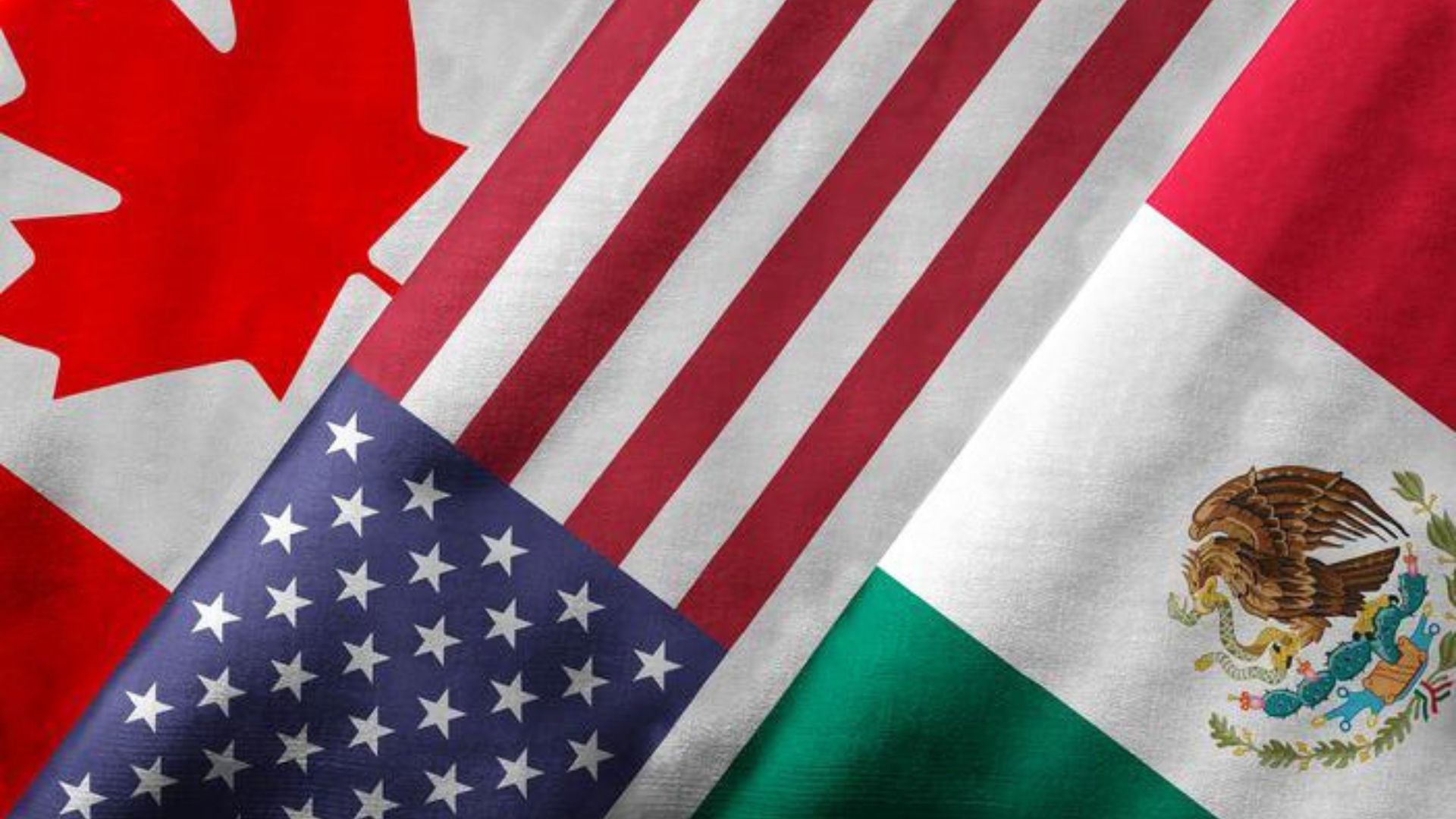
Photo courtesy: BNN Bloomberg
U.S.-Mexico goods trade has expanded by more than US$200 billion in four years, even as Mexico navigated tariff disputes and continued negotiations with Washington.
U.S. Census Bureau data show that two-way goods trade between the United States and Mexico totaled about US$659.8 billion in 2021, based on US$277.2 billion in U.S. exports and US$382.6 billion in imports. By 2025, the total had climbed to about US$871.6 billion – an increase of roughly 32%.
Mexico also remained a major U.S. trading partner in 2025. The U.S. Census Bureau reported record U.S. imports from Mexico of about US$534.9 billion and record exports to Mexico of about US$338 billion. Mexico led the countries from which the United States recorded record-high imports that year, according to the bureau’s annual trade highlights.
Trade has continued to expand in 2026. From January through July, U.S. exports to Mexico totaled about US$229.8 billion while imports reached US$358.7 billion, putting total goods trade at approximately US$588.5 billion.
That was about 16% higher than the roughly US$506 billion recorded during the same seven-month period in 2025. The Census Bureau also reported that U.S. imports from Mexico reached a record US$60.5 billion in July.
The growth has come amid continuing trade tensions between Washington and Mexico. In February 2025, U.S. President Donald Trump ordered an additional 25% tariff on Mexican products, although the administration later maintained tariff-free treatment for goods qualifying under the United States-Mexico-Canada Agreement, or USMCA. In July 2025, Trump also threatened a 30% tariff on Mexican imports as the two governments continued negotiations.
Mexico, however, has continued negotiations with the United States. The U.S. Trade Representative held several bilateral negotiating rounds with Mexican officials in 2026 as part of discussions connected to the USMCA review, covering areas including automobiles, steel and aluminum, agriculture, labor and economic security.
On September 18, Mexican President Claudia Sheinbaum said she and Trump had reached some agreements during a phone conversation two days earlier. She did not disclose their details and stressed that negotiations had not yet produced a final agreement that could be formally announced.
“Progress is being made toward a potential agreement between us, Mexico, and the United States,” Sheinbaum said, according to Reuters.
Canada, another USMCA partner, has taken a different course in its latest negotiations with Washington.
The Canadian government said it suspended trade negotiations with the United States in August after Washington proposed new terms that Ottawa said were not in Canada’s interest. Following new U.S. tariffs, Canada announced additional counter-tariffs covering C$27.6 billion worth of U.S. goods, with the measures taking effect September 8.
At the same time, Ottawa has been pursuing broader trade diversification. Global Affairs Canada says the government aims to double non-U.S. exports over the next decade, while Canada and the European Union have been working to deepen economic cooperation under their existing trade relationship.
The developments put Mexico and Canada on different negotiating tracks with their largest trading partner. Mexico remains engaged in bilateral talks with Washington as U.S.-Mexico commerce continues to grow, while Canada has suspended its latest negotiations, imposed counter-tariffs and accelerated efforts to expand trade beyond the United States.
Mexico remains engaged in bilateral talks with Washington as U.S.-Mexico goods trade continues to expand, while Canada has suspended its latest negotiations with the United States, imposed counter-tariffs and stepped up efforts to diversify trade toward other markets, including Europe.