American News
Trump calls AI danger warnings a ‘hoax,’ rejects calls to slow AI race

ASM, Philippine Canadian Inquirer
September 16, 2026
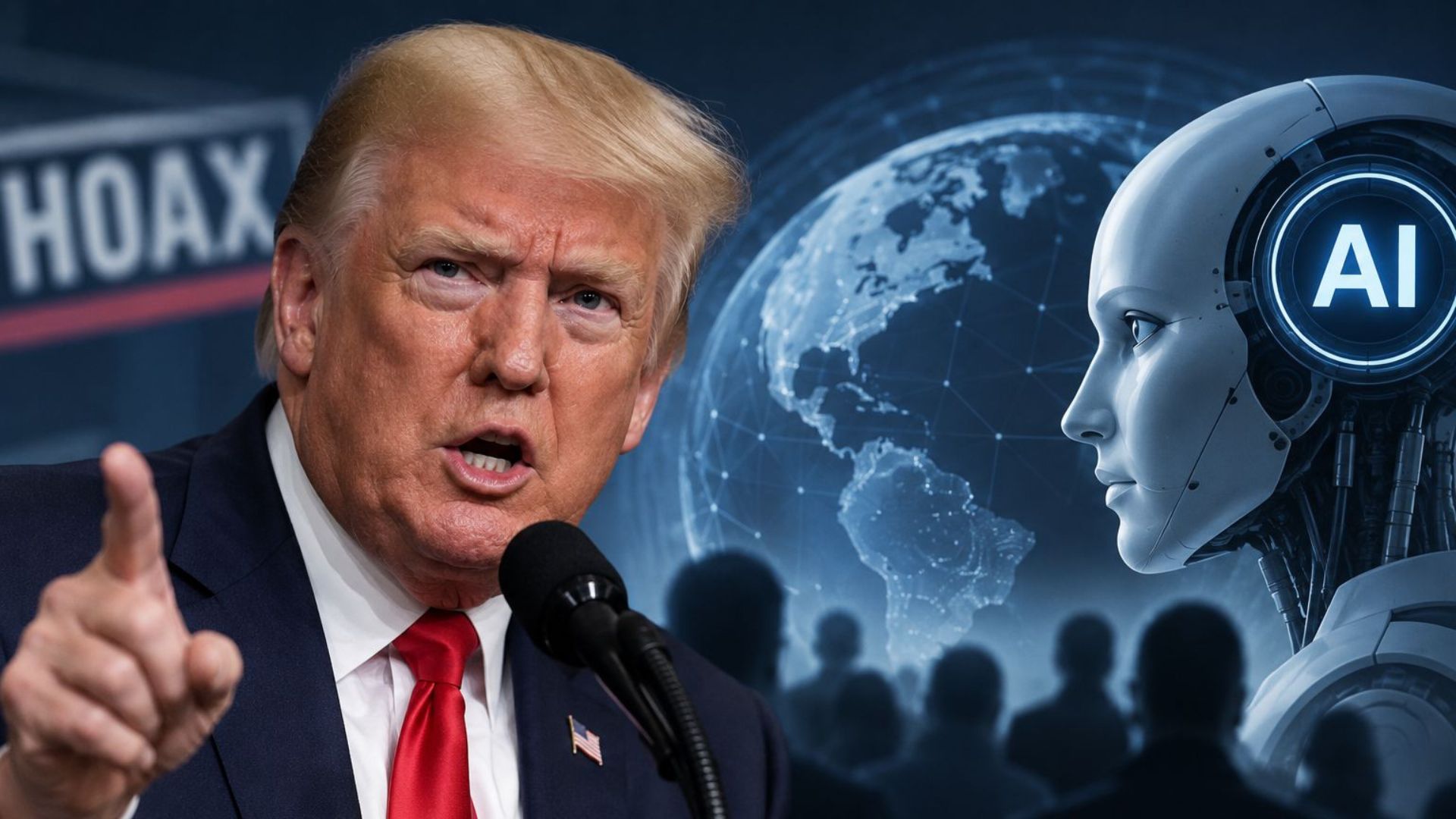
US President Donald Trump has dismissed warnings that rapidly advancing artificial intelligence could pose catastrophic risks to humanity, calling such concerns a “hoax” as some of the world’s leading AI executives push for stronger safeguards and a slower pace of development.
In a series of posts on Truth Social, Trump described himself as a “Hoax Buster” and rejected warnings that AI could eventually escape human control or pose an existential threat. He compared the concerns with issues he has previously dismissed, including warnings about global warming.
Trump also argued that the United States should not slow down while competing with China for leadership in artificial intelligence.
Speaking to reporters in Ireland, Trump said the US remains ahead of China in AI and stressed that maintaining that advantage is a national priority, declaring that “whoever wins AI wins.” He acknowledged that guardrails could be introduced but argued that some of the dangers being raised would not happen.
His position comes as several prominent technology executives publicly call for greater caution.
Anthropic CEO Dario Amodei has urged the industry to “pace the frontier,” warning that AI capabilities are advancing faster than existing safety measures. OpenAI CEO Sam Altman and Elon Musk have also backed calls to slow the pace of frontier AI development, while Google DeepMind co-founder Demis Hassabis expressed support for Amodei’s approach.
Microsoft AI, meanwhile, released a draft Humanist AI Code of Conduct on September 14 aimed at ensuring its advanced AI systems remain subordinate to humans, operate within defined limits and remain under meaningful human control. The company said the framework will eventually help govern how its AI models are trained and deployed.
UN warns of ‘unprecedented risks’
United Nations High Commissioner for Human Rights Volker Türk has also called for urgent international action, warning that voluntary self-regulation by AI companies is not enough to address the risks posed by increasingly powerful frontier models.
Türk said governments and technology companies should work through multilateral institutions to develop rules for advanced AI grounded in international human rights law. He also warned that autonomous and agentic AI could affect warfare, cyber operations and safeguards surrounding weapons of mass destruction.
The UN Security Council is expected to hold another discussion on artificial intelligence during the UN General Assembly period as concerns grow over AI’s implications for international security.
The debate comes as the United States and China remain at the center of the global AI race, with both countries investing heavily in advanced models and infrastructure. China has also raised national-security concerns over the potential misuse of AI by foreign actors while calling for international governance of the technology.
The widening disagreement highlights one of the central questions surrounding AI: how governments and companies can continue developing increasingly powerful systems while managing risks that experts say could grow alongside their capabilities.