Headline
Many graduates work outside their training; Marcos pushes industry-linked education

Abi Sarabia M., Philippine Canadian Inquirer
September 08, 2026
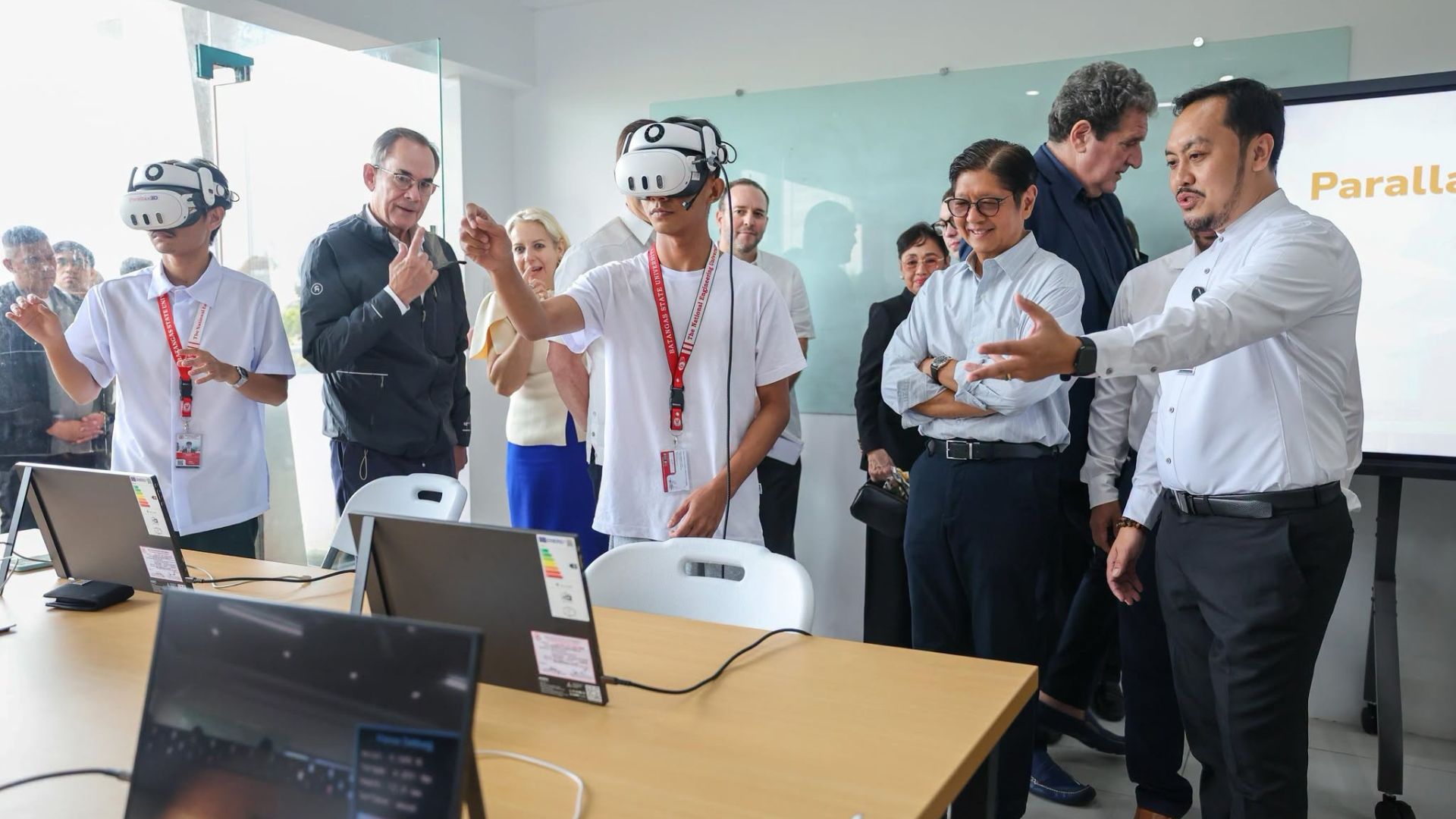
Photo courtesy: Bongbong Marcos Facebook Page
MANILA, Philippines — President Ferdinand Marcos Jr. is calling for closer coordination between schools and industries to address the persistent mismatch between the skills Filipino graduates acquire and the jobs available to them.
During a visit to the Lipa-Malvar (LIMA) Estate in Batangas on September 7, Marcos said education and training programs should be designed around the actual needs of industries so graduates can find jobs related to their skills and qualifications.
Marcos cited a 2021 Asian Development Bank study showing that about one-third of college graduates were working in occupations typically intended for workers without a college education.
The same study showed that around two-thirds of technical-vocational education and training graduates were employed in jobs unrelated to the expected outcomes of their training programs.
The President said the figures highlight the need to better align education and training with changing workforce demands.
As examples, Marcos cited the Batangas State University LIMA Campus and the JERA-AboitizPower Global Technical Center of Excellence, which bring students and trainees closer to actual industrial operations.
The Batangas State University campus, located inside LIMA Estate, gives engineering and technology students greater exposure to companies operating in the economic zone. Its pioneer batch of students began classes in August.
Meanwhile, the technical center provides training for power-sector professionals in plant operations, maintenance, safety and emerging energy technologies.
The administration is also expanding programs such as micro-credentials, enterprise-based training and recognition of prior learning to help Filipinos gain or upgrade skills needed by employers.
From July 2022 to May 2026, the government registered 703 micro-credential competency programs and assessed nearly 4.9 million TVET graduates, according to Marcos.
The number of TVET assessors also increased from 13,535 in July 2022 to 16,640 as of May 2026.
As of April, 3,819 beneficiaries had enrolled in the Enterprise-based Education and Training Program, which provides hands-on training in actual workplaces.
Marcos urged government agencies, schools and the private sector to expand opportunities for Filipinos to learn, reskill and upgrade their competencies as industries continue to evolve.