Headline
Nepal’s hydropower ambitions face new threat after deadly floods

Floyd Brenz., Philippine Canadian Inquirer,
September 05, 2026
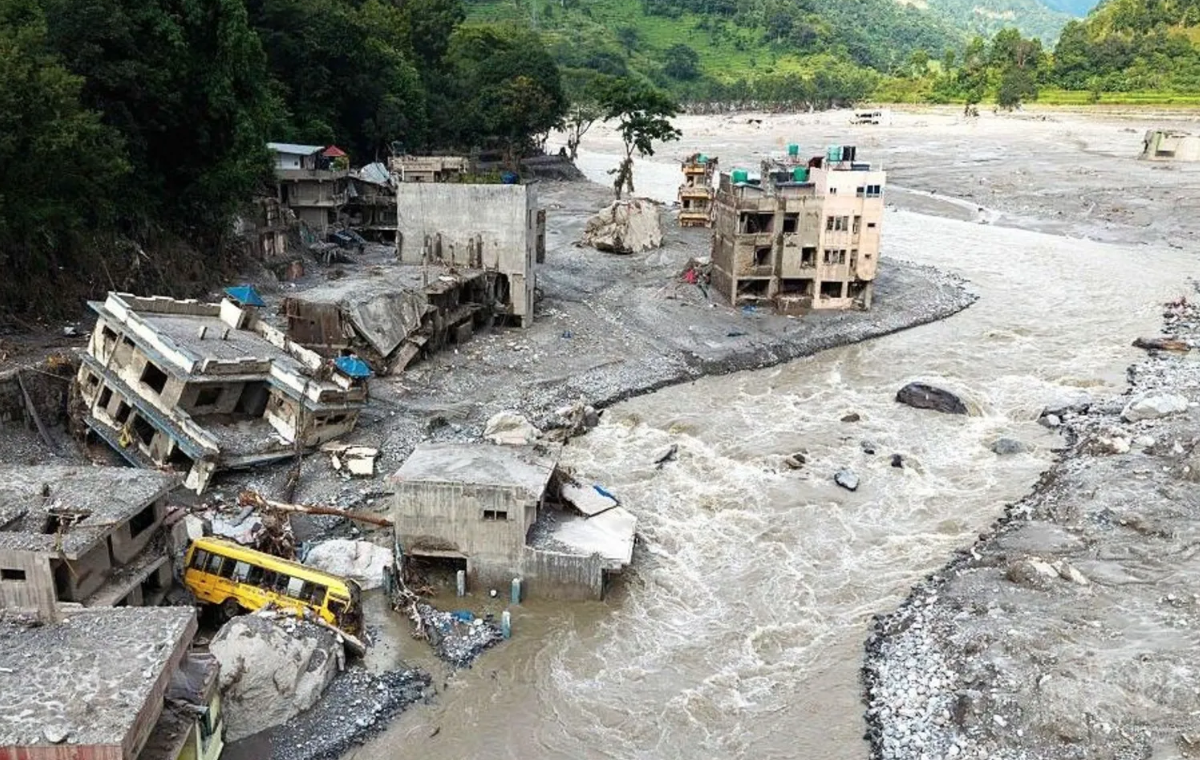
Photo Courtesy: AFP
Nepal’s hydropower boom is facing a harsh reality as deadly floods expose the growing risks to the country’s energy infrastructure.
Nearly 100% of Nepal’s electricity comes from hydropower, with the country earning almost $200 million a year from electricity exports to India and Bangladesh. But last week’s catastrophic floods severely damaged the very infrastructure powering that growth.
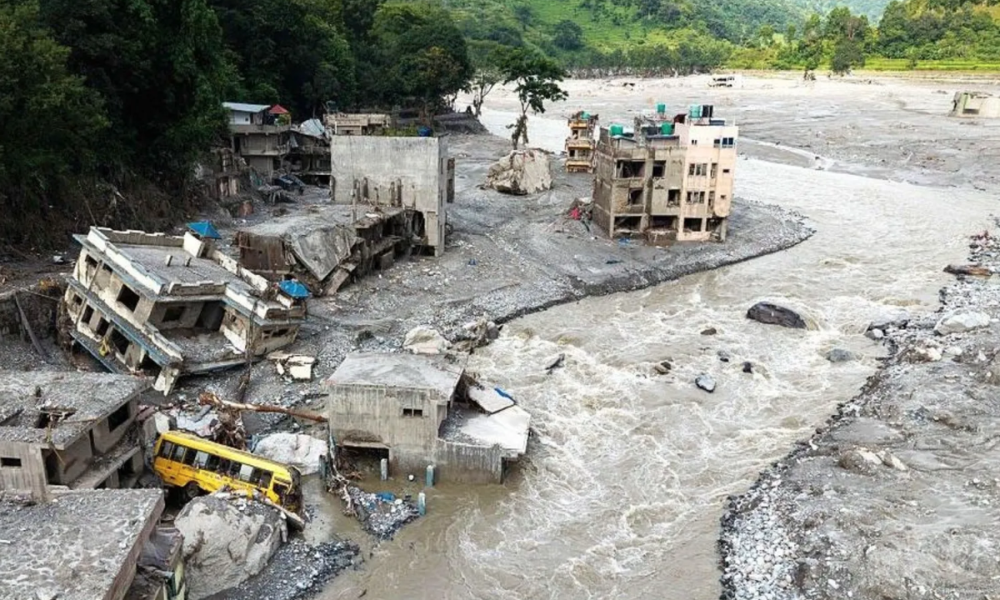
More than 1,300 people were killed, while thousands remain missing. The floods also damaged 12 hydropower plants in the Trishuli River basin, wiping out more than 10% of Nepal’s total power generation capacity.
The Nepal Electricity Authority has assured households that power supplies remain adequate, but officials admit the disaster may force a rethink of the country’s hydropower strategy.
Nepal has rapidly expanded its hydropower sector, growing from widespread power shortages to nearly round-the-clock electricity in most areas by 2018. Today, the country has 225 hydropower plants with more than 3,900 megawatts of installed capacity, with hundreds more projects planned or under construction.
But many facilities are built high in the Himalayas, where warming is occurring 50% faster than the global average, increasing exposure to floods, landslides and other hazards.
Authorities say it is still too early to establish a direct link between the latest disaster and climate change. Still, Nepal’s disaster agency has reported that more than nine in 10 disasters recorded from 2018 to 2024 were climate-related.
Former Energy Minister Kulman Ghising says the disaster should prompt stronger designs, better site selection, early-warning systems and emergency evacuation plans. With potentially hundreds of workers, engineers and residents still trapped in mud-filled tunnels, the human cost of Nepal’s hydropower vulnerability remains painfully clear.