Headline
DepEd eyes school-level class suspensions, resumptions through Project LIGTAS+

Abi Sarabia M., Philippine Canadian Inquirer
August 27, 2026
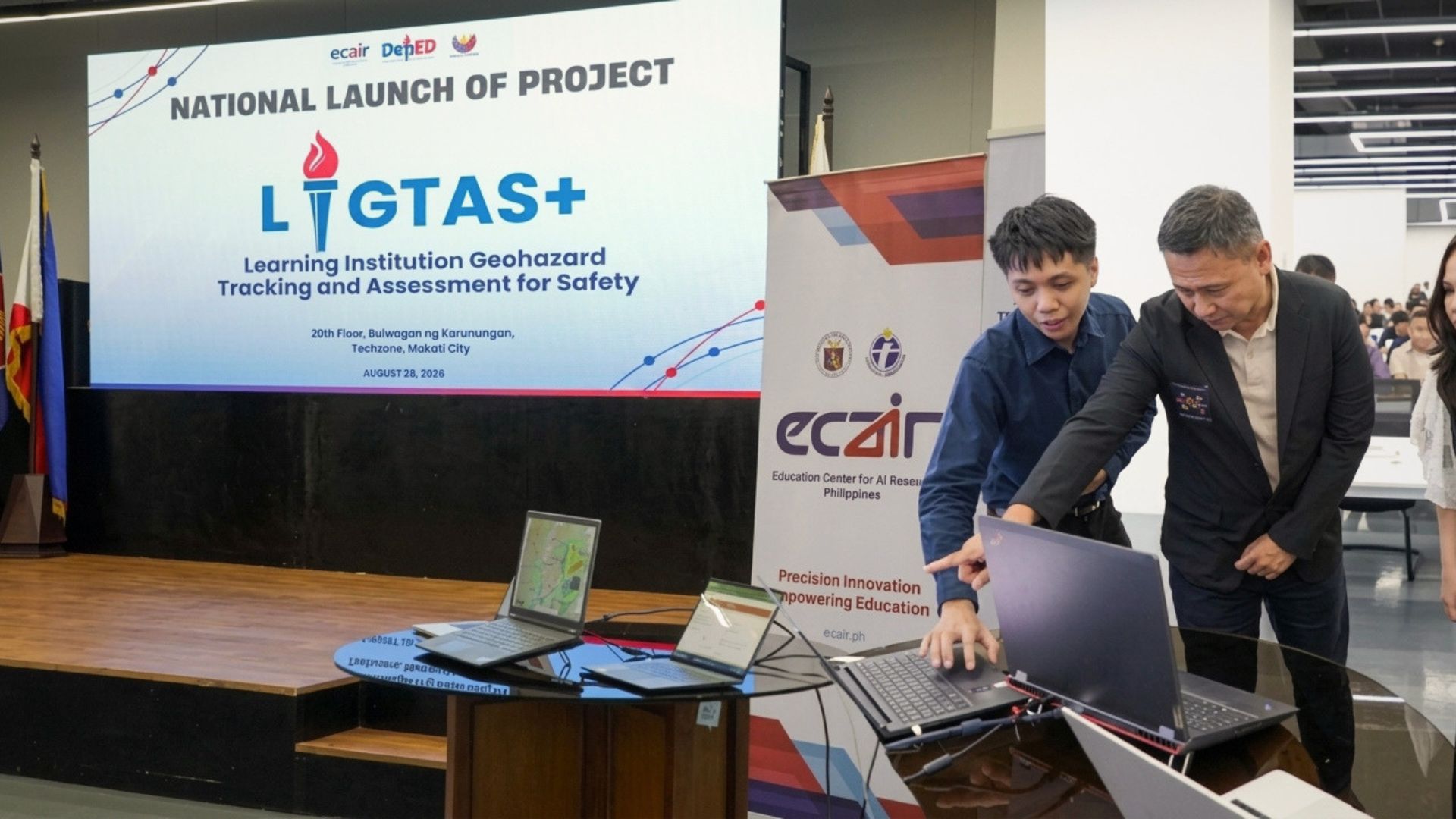
Photo courtesy: Department of Education
Manila, Philippines — The Department of Education (DepEd) is moving toward more localized decisions on class suspensions and resumptions through Project LIGTAS+, an artificial intelligence-enabled platform that provides school-specific disaster risk information.
DepEd Undersecretary for Governance and Operations Malcolm Garma said the system aims to give education officials more granular, science- and data-based information when deciding whether classes should be suspended or allowed to resume.
“One of the objectives ng Project LIGTAS+ [is] to be able to provide more granular data, more science-based, more data-based decision-making,” Garma said during the project’s national launch in Makati City on Wednesday, August 26.
Project LIGTAS+, or Learning Institution Geohazard Tracking and Assessment for Safety, uses geospatial analytics, satellite imagery, historical hazard data and artificial intelligence to generate risk profiles for individual schools. It covers more than 48,000 public schools and assesses hazards including floods, earthquakes, typhoons, landslides, volcanic activity, storm surges and extreme heat.
Under the approach, authorities could determine whether a particular school needs to suspend classes based on conditions in its immediate area instead of automatically applying a blanket suspension across an entire city, municipality or province.
The initiative comes as DepEd reviews policies on class suspensions and resumptions following repeated weather-related disruptions. Malacañang earlier said the department was studying a more flexible system based on the actual conditions of individual schools and communities.
Project LIGTAS+ was developed by DepEd’s Disaster Risk Reduction and Management Service in partnership with the Education Center for AI Research.
Education Secretary Sonny Angara said the platform is intended to speed up disaster-related decisions, strengthen school safety and help minimize unnecessary learning disruptions while ensuring that learners and school personnel remain protected.