Headline
Palace denies Marcos discussed ‘leadership fund’ with Bonoan as senator defends practice

Abi Sarabia M., Philippine Canadian Inquirer
August 19, 2026
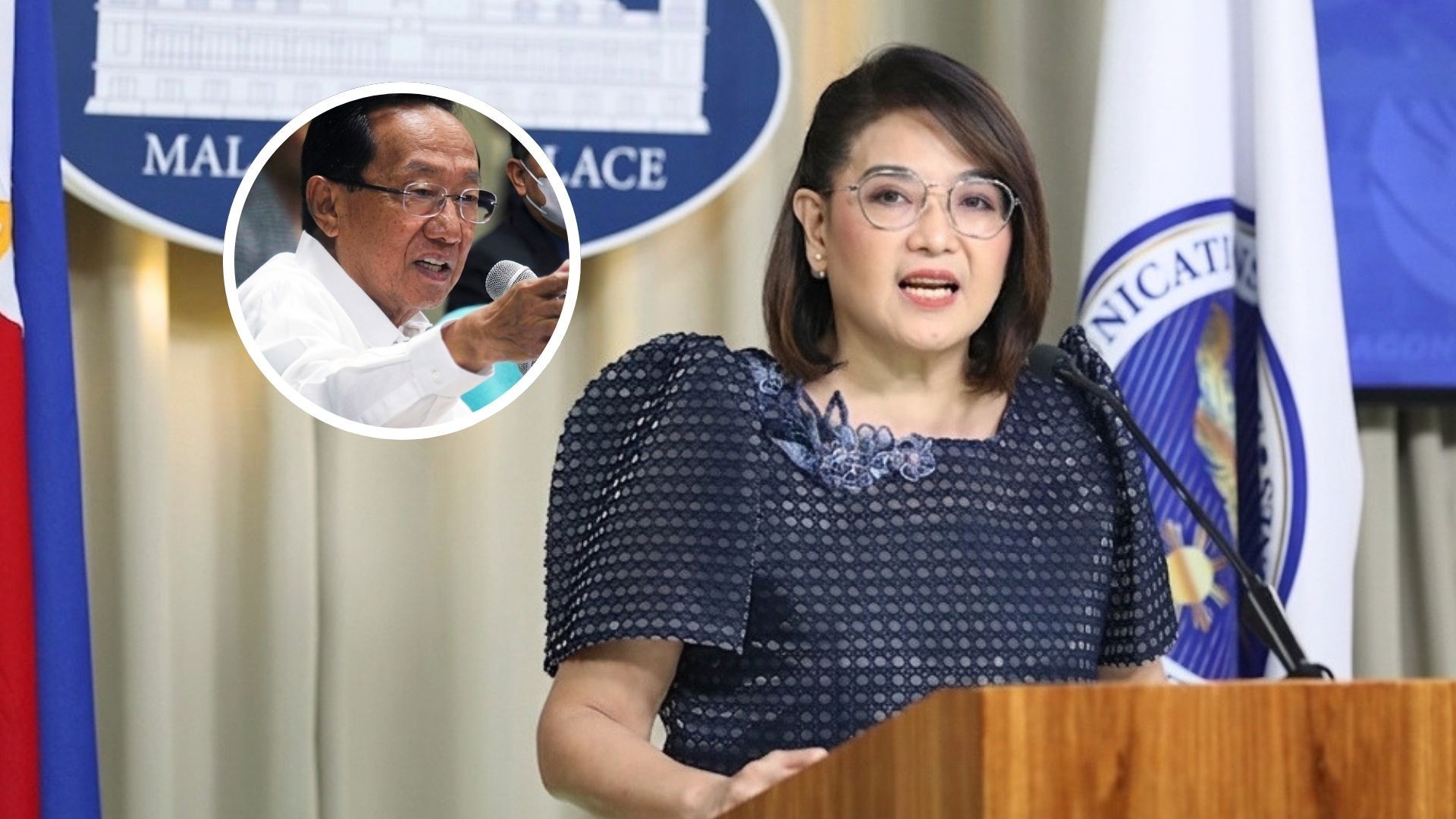
Photo courtesy: Presidential Communication Office
MANILA, Philippines — Malacañang has denied that President Marcos ever discussed a so-called “leadership fund” with former Department of Public Works and Highways (DPWH) secretary Manuel Bonoan, even as a senator openly defended the use of similar discretionary allocations for local projects.
Palace press officer Claire Castro said Tuesday that Marcos had only instructed Bonoan to ensure an equitable distribution of infrastructure projects based on the needs of specific areas, not to set aside funds tied to individual lawmakers.
“When (then) secretary Manny Bonoan was reporting, he (the President) was looking for projects and these projects should be based on the needs of an area. The funds are given to projects, not to people,” Castro said.
“Perhaps that is the reason why he (Bonoan) mentioned that the President wanted an equitable distribution, because that was the order of the President.”
Castro said the leadership fund was never part of any presidential directive and does not appear in the General Appropriations Act (GAA). She said any related discussions would have taken place internally within the DPWH, without the President’s involvement.
“When it comes to the leadership fund, it was never mentioned by the President and it has been denied by the economic team,” she said. “If they had discussions among themselves at the DPWH, it was never a program of the President.”
Castro added that Marcos had recently met with Bonoan and, based on his expression during their conversation, appeared to want the former secretary to “do your job properly,” though she stopped short of saying Bonoan had been reprimanded.
Senator defends practice, promises transparency
The Palace’s remarks come after Bonoan alleged that senators had used the leadership fund to secure between P500 million and P1 billion each for pet projects under the 2025 national budget.
Senate finance committee chairman JV Ejercito did not deny the practice when asked about it in a radio interview, but argued it should not be conducted in secrecy.
“Let’s admit it. People approach us for concerns. But it should not be kept a secret,” Ejercito told radio station dzBB.
He cited requests from Cebu to fund neglected provincial hospitals as an example, saying that when he successfully pushes for such funding, the allocation is naturally credited to his office.
“There are good and bad amendments I would say. But they’re not all bad. As long as you do it in an open plenary,” Ejercito said.
He vowed that the 2027 national budget process would include stricter transparency measures, ensuring legislative amendments are debated openly rather than negotiated privately.
Reforms since flood control scandal
The controversy follows reforms introduced last year by then-finance committee chair, now Senate President Sherwin Gatchalian, who moved to eliminate the so-called “small committee” — a secretive subset of lawmakers historically involved in the bicameral conference committee process.
That process had long been criticized as a “smoke-filled room” where lawmakers were alleged to horse-trade billions of pesos in public funds away from public view. Ejercito recalled past instances in which a district’s infrastructure allocation of P2 billion ballooned to as much as P18 billion following closed-door bicam negotiations.
“Last-minute insertions in the bicam is where it balloons,” Ejercito said. “This time, we will not allow that. We will flag that.”
He said the 2027 budget deliberations would be fully televised and open to observation by civil society organizations.
Budget pressures
Ejercito’s push for greater transparency comes as the government prepares to borrow approximately P1.2 trillion to help finance a proposed P7.2-trillion national budget for 2027.
He warned that stricter safeguards put in place after the flood control fund scandal have slowed public spending, adding that the government needs to accelerate disbursements to support a weakening economy.