Juliette McIntyre, Tamsin Phillipa Paige, The Conversation
(Pexels photo)
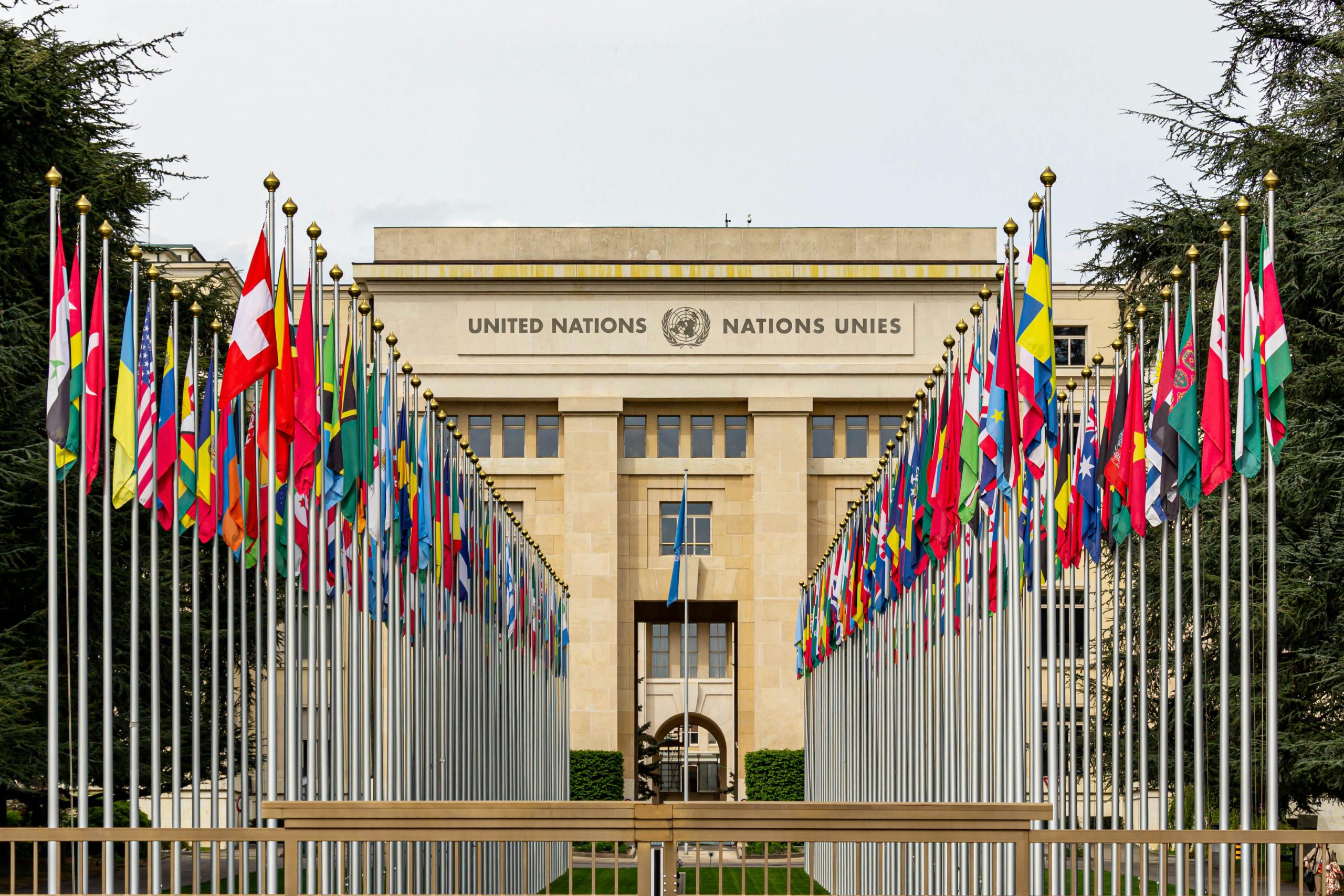
The United Nations turned 80 in October last year; a venerable age for the most significant international organisation the world has ever seen.
But events of recent years – from last weekend’s Trumpian military action to seize Venezuelan President Nicolás Maduro and Russia’s unlawful invasion of Ukraine in 2022, to the ongoing humanitarian catastrophe in Gaza – represent major challenges to the UN system.
Many are now asking whether the United Nations has any future at all if it cannot fulfil its first promise of maintaining international peace and security.
Has the UN reached the end of its lifespan?
The UN Security Council
The organ of the UN that plays the main role maintaining peace and security is the UN Security Council.
Under the rules established by the UN Charter, military action – the use of force – is only lawful if it has been authorised by a resolution from the UN Security Council (as outlined in Article 42 of the Charter), or if the state in question is acting in self-defence.
Self-defence is governed by strict rules requiring it to be in response to an armed attack (Article 51). Even then, self-defence is lawful only until the Security Council has stepped in to restore international peace and security.
The Security Council is made up of 15 member states:
- five permanent (China, France, Russia, the United Kingdom and the United States – also known as the P5)
- ten non-permanent members elected for two-year terms.
Resolutions require nine affirmative votes and no veto from any permanent member, giving the P5 decisive control over all action on peace and security.
This was set up expressly to prevent the UN from being able to take action against the major powers (the “winners” of the second world war), but also to allow them to act as a balance to each other’s ambitions.
This system only works, however, when the P5 agree to abide by the rules.
Could the UN veto system be reformed?
As aptly demonstrated by the Russians and Americans in recent years, the veto power can render the Security Council effectively useless, no matter how egregious the breach of international law.
For that reason, the veto is often harshly criticised.
As one of us (Tamsin Paige) has explained previously, however, self-serving use of the veto power (meaning when a member state uses its veto power to further its own interests) may be politically objectionable but it is not legally prohibited.
The UN Charter imposes no enforceable limits on veto use.
Nor is there any possibility of a judicial review of the Security Council at the moment.
And herein lies one of the most significant and deliberate design flaws of the UN system.
The charter places the P5 above the law, granting them not only the power to veto collective action, but also the power to veto any attempt at reform.
Reforming the UN Security Council veto is thus theoretically conceivable – Articles 108 and 109 of the charter allow for it – but functionally impossible.
Dissolving and reconstituting the UN under a new charter is the only structural alternative.
This, however, would require a level of global collectivism that presently does not exist. One or more of the P5 would likely block any reform or redesign that would see the loss of their veto power.
An uncomfortable truth
It does, therefore, appear as though we are witnessing the collapse of the UN-led international peace and security system in real time.
The Security Council cannot – by design – intervene when the P5 (China, France, Russia, the UK and US) are the aggressors.
But focusing only on the Security Council risks missing much of what the UN actually does, every day, largely out of sight.
Despite its paralysis when it comes to great-power conflict, the UN is not a hollow institution.
The Secretariat, for instance, supports peacekeeping and political missions and helps organise international conferences and negotiations.
The Human Rights Council monitors and reports on human rights compliance.
UN-administered agencies coordinate humanitarian relief and deliver life-saving aid.
The UN machinery touches on everything from health to human rights to climate and development, performing functions that no single state can replicate alone.
None of this work requires Security Council involvement, but all of it depends on the UN’s institutional infrastructure (of which the Security Council is an integral part).
The uncomfortable truth is we have only one real choice at present: a deeply flawed global institution, or none at all.
The future of the UN may simply be one of sheer endurance, holding together what can still function and waiting for political conditions to change.
We support it not because it works perfectly, or even well, but because losing it would be much worse.
Should we work towards a better system that doesn’t reward the powerful by making them unaccountable? Absolutely.
But we shouldn’t throw out all of the overlooked good the UN does beyond the Security Council’s chambers because of the naked hypocrisy and villainy of the P5.
This article is republished from The Conversation under a Creative Commons license. Read the original article.