
Canada News
Tłı̨chǫ Government marks 20 years since landmark self-government agreement

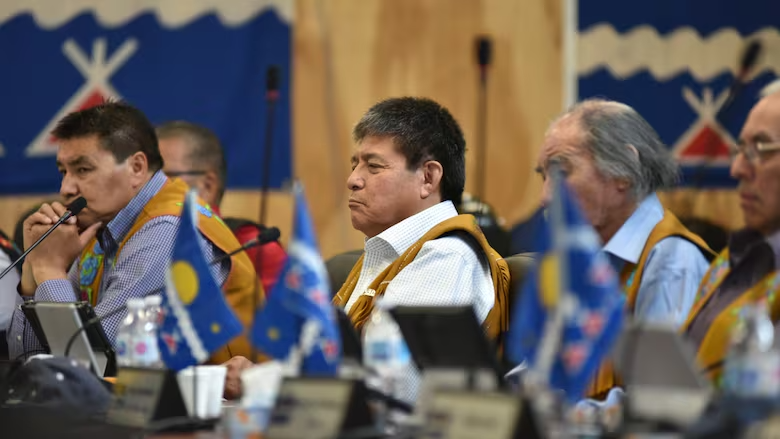
Former Tłı̨chǫ grand chief George Mackenzie — who’s now the Dene National chief — at the 2019 Tłı̨chǫ annual gathering in Gameti, N.W.T. This year’s gathering begins Monday in Behchokǫ̀. (Walter Strong/CBC)
Chief negotiator reflects on what’s been done and what’s to come, as annual gathering gets underway this week
The Tłı̨chǫ Annual Gathering gets underway this week in Behchokǫ̀, N.W.T., and this year’s event will celebrate a significant milestone.
Twenty years ago this month the Tłı̨chǫ Government was formally established, the result of a landmark deal that was the first in the Northwest Territories to combine a comprehensive land claim and self-government agreement into a single negotiated settlement.
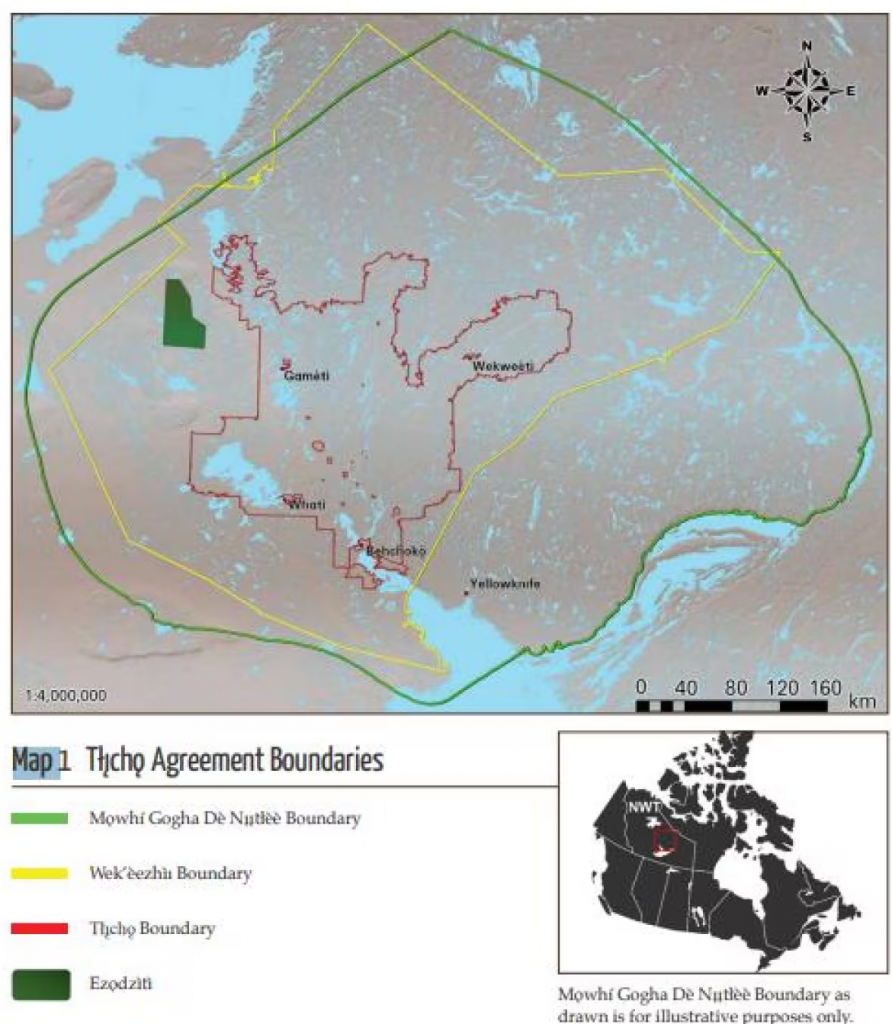
The Tłı̨chǫ Agreement was signed on Aug. 25, 2003, and came into effect on Aug. 4, 2005. Under its terms, the Tłı̨chǫ Government holds title to more than 39,000 square kilometres of land between Great Slave Lake and Great Bear Lake, including both surface and subsurface rights. It also has law-making authority over areas including education, housing, and child and family services.
Two decades later, John B. Zoe, who was chief negotiator at the time, says the anniversary is both a moment to look back, and to look ahead.
“We’ve been free for the last 20 [years], and you’re not going to solve everything in 20 years. Because a lot of it is very deeply ingrained and it’s going to take generations,” said Zoe.
“Meeting those challenges and making sure that the remedy is something that you contributed to, that’s a big step. I think that we have to continue that, and the spiritual health of the communities and individuals and leadership.”
The agreement was a turning point in the history of the Tłı̨chǫ Nation, following decades of negotiations and community consultations. It is implemented alongside the Tłı̨chǫ Constitution, which sets out the structure and powers of the Tłı̨chǫ Government, and ensures that its laws and decisions reflect the values of the Tłı̨chǫ people.
Milestones since 2005
Since its establishment, the Tłı̨chǫ Government has undertaken significant initiatives in governance, land management, and cultural preservation. In 2007, the United Nations recognized this by presenting the Indigenous government with a public service award.
In 2012, the Tłı̨chǫ Government opened its first dedicated government building in Behchokǫ̀, providing a central place for administration and public engagement.
The following year, the government began approving resource development projects on Tłı̨chǫ lands while maintaining protections for culturally and ecologically significant areas.
More recently, the Tłı̨chǫ Government has expanded an environmental initiative aimed at restoring ecosystems and supporting the recovery of boreal caribou habitat. The multi-year tree-planting program has become a visible symbol of the government’s long-term approach to stewardship.
Zoe says the success of the agreement saw the reintroduction of traditional ways as well. That includes language revitalization and land-based programs.
“Western concepts don’t really make sense when you’re there. And you can see your way of life because of the trails,” he said.
Zoe says moving forward he’d like to see more young people return to the community after receiving higher education.
“The work ethic, the passing down of the knowledge of the land and the animals and the stories and the kinship, the relationships — all these things are still there,” said Zoe.
“We just need to solidify those things. But at the same time, it’s that knowledge and strength that youth acquire from the communities. It gives them a springboard into higher education that they’re going there with.”
Balancing modern governance and tradition
The Tłı̨chǫ Government’s powers are exercised through an elected Tłı̨chǫ Assembly, with representatives from each of the four Tłı̨chǫ communities: Behchokǫ̀, Gamètì, Wekweètì, and Whatì.
The agreement also secured Tłı̨chǫ participation in resource management boards and environmental review processes across the broader Wekʼèezhìi management area, giving the nation a voice in decisions affecting its traditional territory.
Since 2005, the Tłı̨chǫ Agreement has been cited as a model for other Indigenous governments in Canada seeking to combine land ownership and self-government in a single agreement.
The agreement’s implementation is monitored through an Implementation committee made up of representatives from the Tłı̨chǫ Government, the Government of the Northwest Territories, and the Government of Canada. Annual reports detail progress on obligations and priorities.
“The learning never stops. And we don’t have all the answers here, but we have a major tool,” said Zoe.
“In the end, it’s about having a say about yourself and a say about development that’s going to have an impact on you.”
The annual gathering this week, along with the first session of the 6th Tłı̨chǫ Assembly, begins on Monday and continues until Thursday, with events happening at the Behchokǫ̀ Culture Centre, starting each day at 10 a.m.
This article is republished from RCI.




















