
Health
China is fighting an outbreak of the chikungunya virus. What is it?

By Kevin Maimann, CBC News, RCI
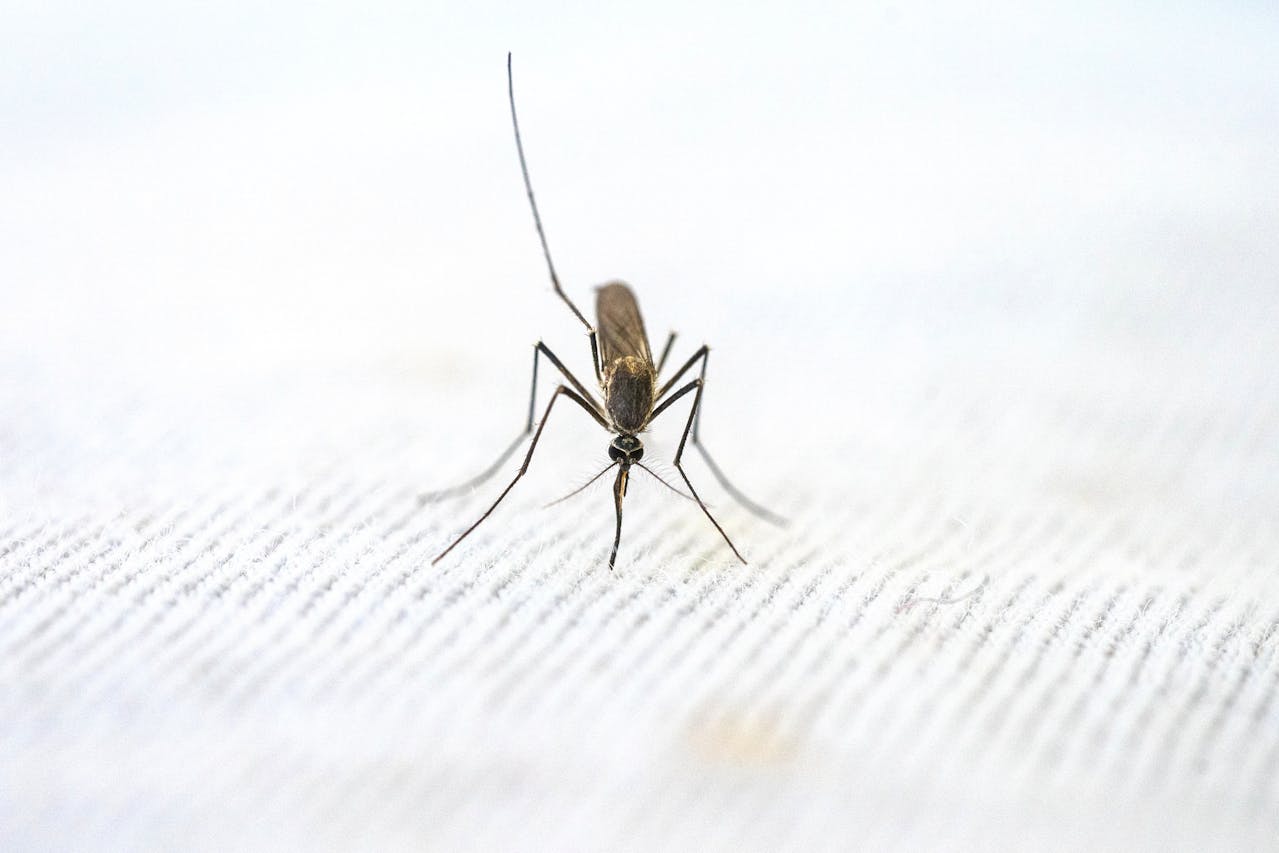
More than 7,000 cases of chikungunya have been reported in the Chinese province of Guangdong in recent weeks, with most in the southern city of Foshan. (Pexels Photo)
The country has reported more than 7,000 cases of the mosquito-transmitted virus
Chinese health officials are responding to an outbreak of a mosquito-borne virus that can cause severe pain.
More than 7,000 cases of chikungunya have been reported in the Chinese province of Guangdong in recent weeks, with most in the southern city of Foshan.
Reports from the region say those who are infected are being quarantined in hospital until they test negative for the virus, and workers are going to homes in Foshan to check for risk factors like standing water where mosquitoes can breed.
Workers are also spraying parks and streets with insecticide, and authorities have released elephant mosquitoes
and mosquito-eating fish to prey on the virus-carrying bugs.
On Tuesday, the Canadian government added a Level 2 travel advisory encouraging travelers to practice enhanced health precautions if visiting China.
What is chikungunya?
Chikungunya is transmitted by infected female mosquitoes, most commonly the subspecies Aedes aegypti and Aedes albopictus — the same types that can transmit the Zika and dengue viruses, according to the World Health Organization (WHO).
When a mosquito feeds on an infected person, it ingests the virus and can transmit it to other humans.
The onset is typically four to eight days after the bite.
Outbreaks and sporadic cases have been reported in various parts of the world, mostly concentrated in South America, Asia and Africa in recent decades. Smaller outbreaks have also been reported in Europe.
The Pan American Health Organization has tracked more than 209,000 chikungunya cases in the Americas this year, with the highest numbers recorded in Brazil, and none in Canada.
What are the symptoms?
Chikungunya can cause fever and potentially debilitating joint pain. It can also cause muscle pain, headaches, nausea and rashes, according to the WHO.
Symptoms typically last for several days and most people recover fully, but occasional cases of eye, heart and neurological complications have been reported, as well as joint pain lasting weeks to years.
The main issue is that it causes a pretty significant joint pain,
said infectious disease specialist Dr. Isaac Bogoch.
Any joint in the body can be impacted, but it tends to impact the smaller joints of the hands and feet.
Newborns, the elderly and and people with underlying health conditions are at the highest risk of severe symptoms and, in rare cases, death.
According to the WHO, the name chikungunya
derives from a word in the Kimakonde language of southern Tanzania, where the disease was first identified in 1952. The word means that which bends up,
which describes the contorted posture of infected people with severe joint pain.
Should Canadians be worried?
Not according to Bogoch. He says it’s not unusual for Canadian physicians to see travellers return with a variety of infections acquired abroad, including chikungunya.
Canadian scientists are monitoring the presence of Aedes albopictus mosquitoes, which are not widespread in Canada but are established in the Windsor-Essex region of Ontario, according to the federal government.
I don’t think there’s anything to freak out about. It’s a well-known infection with well-known outbreaks,
he told CBC News. You don’t want to get this one, but we’re not going to have an outbreak in Canada, at least in the 2025 calendar year.
LISTEN | How to keep mosquitoes away
A vaccine called IXCHIQ is licensed for use in Canada, but is not recommended for anyone over age 65.
Bogoch says the best strategy for travellers is to keep mosquitoes away as much as possible by wearing long sleeves and pants and by using insect repellant.
He also recommends seeking free advice from travel clinics.
There’s parts of the world that have malaria that can be deadly, or other other various travel related risks, and a travel specialist can help navigate that so people can have a healthy, safe and happy trip,
he said.
This article is republished from RCI.




















