Canada News
Vancouver Festival Attack Sparks National Debate on Mental Health Failures

PCI
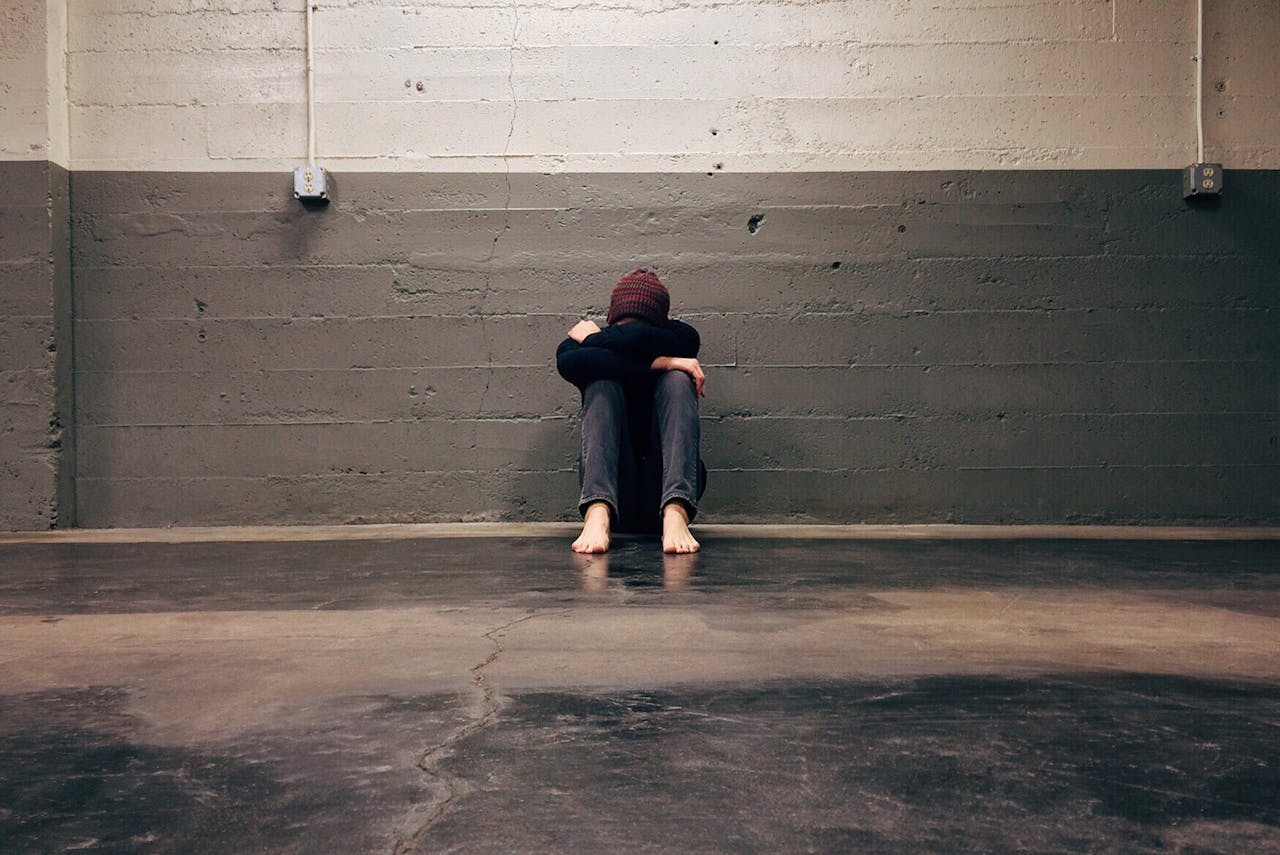
This has fueled public outrage and renewed scrutiny on the effectiveness of Canada’s mental health safety net. (Pexels Photo)
VANCOUVER — The devastating loss of 11 lives during a Filipino cultural festival in Vancouver has prompted a national reckoning on Canada’s mental health system, as questions mount about whether the deadly rampage could have been prevented.
Kai-Ji Adam Lo, 30, was taken into custody after allegedly driving an SUV into a crowd during the Lapu Lapu Festival, a gathering that had been celebrating cultural pride and community unity. The incident, which injured more than 20 others, has shaken residents and spotlighted long-standing concerns about the country’s fragmented approach to mental health care.
Authorities revealed that Lo had a documented history of psychiatric struggles, which reportedly intensified after the murder of his brother last year. Although he had no previous criminal charges, his recurring encounters with mental health professionals and law enforcement were well-known to public agencies. According to reports, a concerned relative even sought help for Lo on the day of the tragedy, underscoring the apparent breakdown in crisis intervention.
This has fueled public outrage and renewed scrutiny on the effectiveness of Canada’s mental health safety net. Advocates argue that despite the growing visibility of mental illness, access to timely and coordinated care remains inconsistent, especially for those in acute distress.
“This was a preventable tragedy,” said Dr. Laila Chowdhury, a clinical psychologist based in British Columbia. “We cannot keep waiting until people spiral out of control before intervening. The systems in place aren’t built to act fast enough.”
Local leaders have echoed those concerns. Vancouver Mayor Ken Sim and Prime Minister Mark Carney both paused public engagements to offer condolences, while also acknowledging the urgent need for systemic change.
The Filipino Canadian community, still reeling from the loss, has called for a thorough and transparent investigation. Many see this as a moment not just for mourning, but for action.
As the city begins its healing process, what lingers is the unsettling realization that a celebration meant to uplift a community was transformed into a heartbreaking call for reform — one that Canada can no longer afford to ignore.