Canada News
Canada Implements New U.S. Registration Requirement for Extended Stays Amid Growing Tensions

PCI
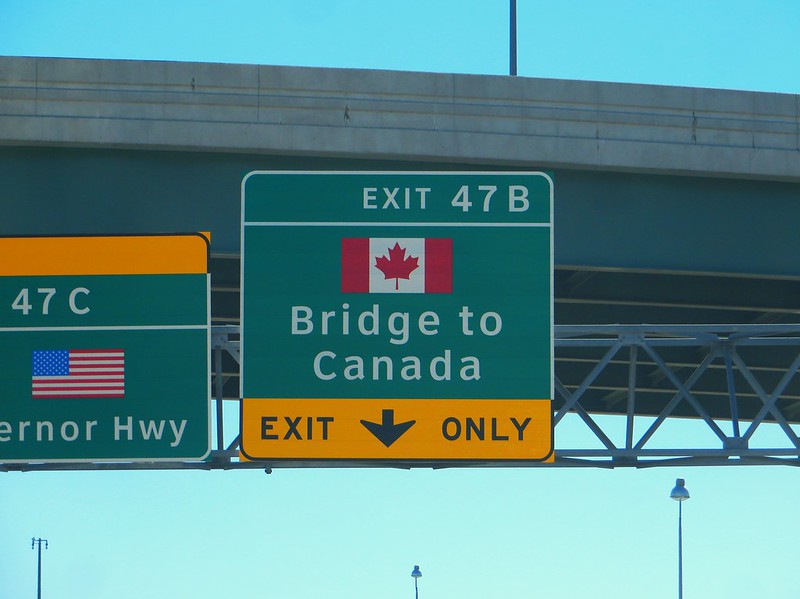
A new rule has been created because of rising tensions between the U.S. and Canada. (File Photo: Ken Lund/Flickr, CC BY-SA 2.0)
Canada has updated its travel rules for Canadians going to the United States. Starting April 11, 2025, if Canadians stay in the U.S. for more than 30 days, they will need to follow new guidelines and register with the U.S. government. This change is part of a directive from former President Donald Trump that affects foreign nationals. It aims to ensure compliance with the U.S. Immigration and Nationality Act.
You may face penalties, fines, and misdemeanor charges if you do not register as required. Canadians should check the U.S. Citizenship and Immigration Services (USCIS) website to see if they need to register. The registration rule targets foreign nationals who were not fingerprinted during their visa application process and remain in the U.S. for extended stays. As outlined on the USCIS website, the law applies to “all aliens 14 years of age or older who were not registered and fingerprinted (if required) when applying for a U.S. visa and who remain in the United States for 30 days or longer.”
Most Canadian visitors do not need to give fingerprints. Parents and legal guardians must ensure that children under 14 are registered correctly. This change aims to improve immigration enforcement and shows growing concern about tracking foreign visitors.
A new rule has been created because of rising tensions between the U.S. and Canada. The Guardian reports that the U.S. has not always enforced the registration requirement. This change comes as Trump has suggested controversial trade policies and mentioned that Canada could become the 51st U.S. state, which shows ongoing diplomatic tensions.
Many countries, including the U.K. and Germany, have advised their citizens not to travel to the U.S. Travelers should be aware that there are stricter rules now that can lead to detentions. This situation shows how important it is to stay informed about changes that could impact travel plans and legal status in the U.S.