

By Justin Stebbing, Anglia Ruskin University, The Conversation
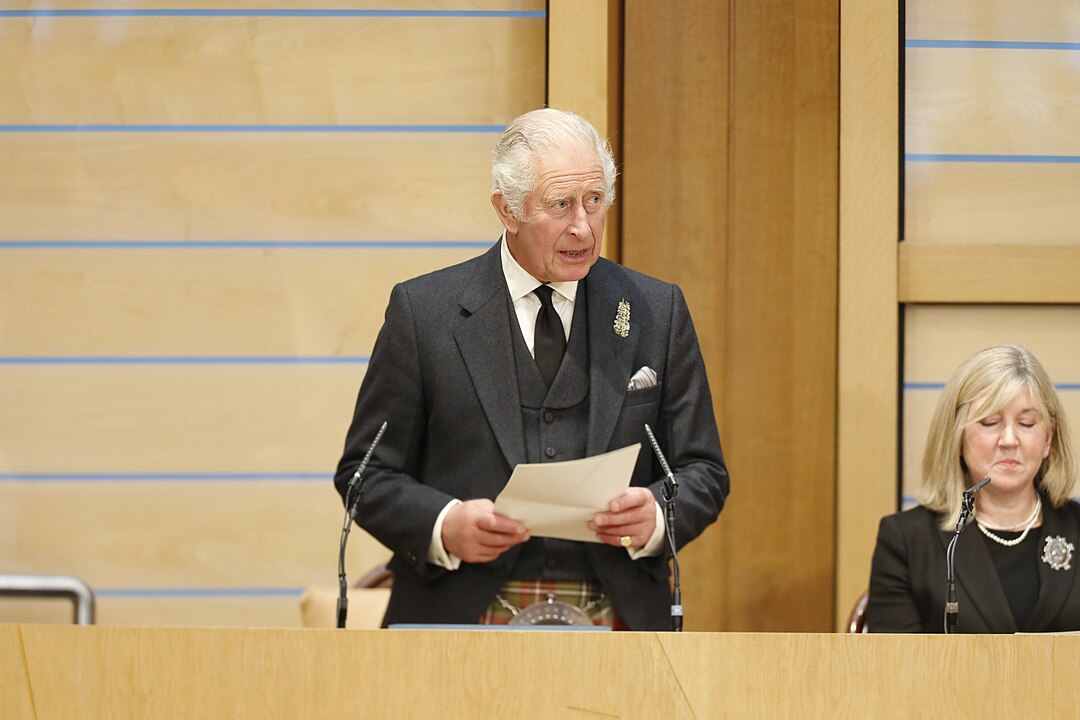
King Charles’s decision to cut red meat from his diet following his cancer treatment has sparked a frenzy of interest in the potential effect of what we eat on cancer outcomes, and how well people do after they’re diagnosed.
While the specific details of the king’s diagnosis and treatment remain private, his dietary adjustments align with growing evidence suggesting that nutrition plays a crucial role in cancer “survivorship”, meaning living with the disease after being diagnosed – and in some cases, hopefully, being cured of it.
While we’re getting so much better at diagnosing and treating cancer, research also indicates that diet can influence cancer prognosis. However, the evidence is stronger for some cancer types than others.
One systematic review of studies found that a higher intake of plant-based foods was associated with improved prognosis in cancer survivors. For colorectal cancer survivors, a better prognosis, including an enhanced quality of life, was seen in those whose diets included lots of whole grains and fibre.
Breast cancer survivors showed improved outcomes with higher consumption of fruits, vegetables and fibre, as well as moderate intake of soy. In prostate cancer survivors, higher vegetable intake was also linked to improved prognosis.
The decision to reduce red meat consumption, in particular, is supported by some scientific evidence.
Red meat, especially when processed, has been associated with an increased risk of certain cancers, most notably colorectal cancer. In fact, the World Health Organization classified red meat as a “probable carcinogen” and processed meat as a “known carcinogen” nearly a decade ago.
Recent research has shed light on the mechanisms behind this link, suggesting that the iron in red meat may activate an enzyme called telomerase, which might help cancer cells spread.
While much of the research on diet and cancer has understandably focused on prevention, there is now growing evidence that dietary choices after diagnosis can also affect outcomes.
A study from the Nurses’ Health Study cohorts found that breast cancer survivors who decreased their total fruit and vegetable intake by one or more servings per day after diagnosis had a 14% higher risk of dying from any cause. This suggests that maintaining or increasing plant food consumption after a diagnosis of breast cancer could be beneficial, and also seems to apply to other cancers.
As mentioned, the effect of diet on cancer outcomes can vary depending on the type and stage of cancer. For instance, a study from China showed that nut consumption was associated with up to a 50% reduced risk of breast cancer recurrence, metastasis or death, with the association being more evident among people with early-stage breast cancer.
The emphasis on plant-based foods in cancer survivorship is not just about avoiding potential harm from certain animal products. Plant foods are rich in antioxidants, fibre and other beneficial compounds that may help combat cell damage, reduce inflammation and support overall health. It also contributes to a healthy microbiome – the bugs that live inside our bodies that are known to be important for many aspects of our health.
While we are only starting to understand many of these processes and how they work together, the American Institute for Cancer Research recommends that cancer survivors consume a variety of antioxidant-rich foods daily, to decrease the risk of second cancers or their cancer spreading.
However, it’s crucial to understand that diet is just one piece of the puzzle when it comes to cancer survivorship. Physical activity, maintaining a healthy weight, and avoiding tobacco and excessive alcohol consumption are really important factors.
Several studies have reported that physical activity after treatment may provide many health benefits to cancer patients. And research I have led suggests that elevated body fatness is a predictor of poor outcomes in breast cancer survivors, to give one example.
The growing body of evidence supporting the role of diet in cancer survivorship has led to the development of lifestyle interventions combining dietary and physical activity components. And, of course, having a healthy diet also contributes to fitness and waistlines, so all of this is linked. These interventions are seen as a really important strategy to improve prognosis and quality of life among survivors of most types of cancer.
Approach cautiously
While King Charles’s decision to reduce red meat consumption appears to be in line with scientific evidence, it’s important to note that dramatic dietary changes should be approached cautiously and under professional guidance. It’s also important to enjoy life.
Some doctors emphasise that it’s not recommended to remove any core food group or make major changes to your diet without personalised guidance from a treatment team, including an accredited dietitian. This is particularly important for people undergoing cancer treatment, as treatments like chemotherapy can affect appetite, alter taste and cause digestive issues.
For the general public, the takeaway message is that a healthy, balanced diet rich in plant-based foods can be beneficial both for cancer prevention and survivorship. But at the same time, sometimes the effects are very small. This also doesn’t necessarily mean eliminating meat, but rather focusing on increasing the consumption of fruits, vegetables, whole grains, legumes and nuts, while limiting the intake of red and processed meats.
The current guidelines suggest that people in good health and those with cancer should aim for no more than 350 to 455 grams of cooked lean red meat per week.
It’s also worth noting that the benefits of a healthy diet extend beyond cancer outcomes. A diet rich in plant-based foods and low in processed foods is associated with reduced risk of other chronic diseases such as heart disease, diabetes and obesity. This is particularly relevant for cancer survivors, who may be at elevated risk of premature death not only due to their primary cancer but also other chronic diseases they might have – so-called comorbidities.
Overall, while King Charles’s dietary changes appear to be a step in the right direction based on current evidence, it’s important to remember that individual needs vary; everyone is different.
Cancer survivors should work closely with their healthcare team, including registered dietitians, to develop a personalised nutrition plan that takes into account their specific type of cancer, treatment history and overall health status.
Justin Stebbing, Professor of Biomedical Sciences, Anglia Ruskin University
This article is republished from The Conversation under a Creative Commons license. Read the original article.




















